Hey there, let’s cut to the chase—if you’ve ever stared at a messy rack of smart home plugs, lights, sensors, and forgotten why half of them won’t play nice, you’ve basically run into the smart home adapter. I’ve been in the adapter game for 8 years now, and let me tell you, this tiny, often-overlooked part is the unsung hero of making your smart space actually work like a space worth living in. No fluff, no jargon—just the real deal on what adapters actually are, why they matter, and how we as a supplier don’t mess this up for you. Adapter

First off, let’s stop the confusion: when people say “adapter” in smart home terms, they’re not talking about the 90s laptop charger you duct-taped to a power strip. This is a dedicated, mini hub or module that fixes the one giant headache every smart home newb hits: devices speak different “languages.” Like, your Wi-Fi bulb uses 2.4GHz Wi-Fi, your old Zigbee door sensor uses Zigbee 3.0, and that random Bluetooth leak sensor you bought on Amazon can only talk to Bluetooth. None of them will chat with each other unless there’s a middleman, and that middleman is the adapter. It translates data from one protocol to another so your phone, Alexa, or Google Home can see everything as one team, not a bunch of isolated gadgets.
Wait, let’s get specific because “protocol” sounds scarier than it is. Take a super common scenario: you want your smart thermostat to turn off all the lights when you leave for work. The thermostat connects to your home Wi-Fi, but the entryway lights use Zigbee and the bedroom bulbs use Bluetooth. Without an adapter, the thermostat can’t send a signal to the Zigbee lights, and your phone’s Alexa app can’t tell the Bluetooth bulbs to power down because it doesn’t speak Bluetooth natively. A small adapter—like a USB stick you plug into your router, or a mini module that mounts inside your wall switch—does all the heavy lifting here: it listens for the thermostat’s Wi-Fi command, translates it into Zigbee and Bluetooth, and sends that signal to every light. Suddenly, your “away mode” works. No more manually turning off 6 lights before you drive to the office. That’s the magic of smart home adapters right there.
Now, let’s talk about the different types, because not all adapters are created equal, and picking the wrong one will have you back to yelling at your devices in no time. First, protocol adapters—these are the workhorses. Zigbee adapters, Z-Wave adapters, Thread adapters, even Wi-Fi-to-Bluetooth adapters. We make these at our company, and I can’t stress enough: not all Zigbee adapters play with all Zigbee devices. There are weird quirks, like some older Zigbee 1.0 sensors won’t pair with newer Zigbee 3.0 adapters, and that’s where bad suppliers cut corners. Then there are power adapters—wait, no, I don’t mean the big brick for your TV. These are low-voltage adapters for battery-powered sensors, cameras, or doorbells that let you ditch the annual battery change. You plug this into a nearby outlet, and it powers the device straight from the wall, no more climbing a ladder to swap a doorbell battery every 12 months. Finally, hub adapters—some folks think they need a whole $100 smart hub, but most of the time you just need a $15 adapter that turns your existing router into a hub. No extra clutter, no extra apps, just the stuff you already have upgraded.
Here’s the part that most bloggers and sales guys won’t tell you: adapters aren’t one-size-fits-all, and cheap adapters will break your smart home. I’ve seen it a thousand times—someone buys a no-name adapter off Amazon for $5, pairs 15 devices, and then the adapter dies in 2 months, taking half their smart setup with it. Why? Because those cheap ones use low-quality chips that drop signals, don’t support multiple protocols at once, and cut corners on encryption so your data is out there for anyone to grab. Our team tests every adapter for 72 hours straight, even under heavy load—like pairing 30+ devices at once, or running 10 simultaneous commands—to make sure it doesn’t glitch. We also make sure our adapters are backward compatible, so if you have a 5-year-old Zigbee sensor, it’ll still work with our new adapter, no need to toss out your old gear to upgrade. That’s a big one—sustainability, but also saving our customers money.
Let me give you a real example from a customer last month: a small café owner hit us up because their new smart cash register couldn’t talk to their smart lighting system. The register uses RS485 protocol, their lights use Zigbee, and the $20 adapter they bought from a random site wouldn’t translate that. We sent them a custom protocol adapter that cost $40 total, and now when they ring up a customer at the register, the lights dim automatically. No more manually adjusting lights, no more leaving lights on overnight when they close. That’s the kind of win adapters deliver, if you get the right one.
Now, let’s address the elephant in the room: why are adapters so invisible? Because good ones do their job without you noticing. You don’t think about the adapter when your voice command works, or your sensor triggers the right action. You only notice it when it breaks—when your Alexa says “I can’t find that device” or your sensor fails to trigger a smart action. That’s why as an adapter supplier, our whole thing is making adapters that work in the background, no stress. We don’t sell flashy gadgets that add clutter; we sell the part that makes your smart home actually functional, not just a bunch of cool devices that sit there.
Wait, also, let’s clear up a myth: some people think smart devices are “all-in-one” now, so adapters are obsolete. Nah, the market is getting more fragmented. New protocols like Matter are supposed to fix compatibility, but Matter devices still need a bridge (which is an adapter) to connect to older non-Matter devices. Plus, lots of folks aren’t upgrading all their devices at once—they have a mix of old and new gear, and adapters are the only way to tie them together. Adapters aren’t going anywhere, they’re just evolving to support new standards. For example, we just rolled out a Matter-compatible adapter that works with all Zigbee, Z-Wave, and Thread devices, so you can have a mix of Matter and non-Matter stuff without a dozen separate adapters cluttering your network.
So, if you’re someone building a smart home (or already have one that’s messy), here’s what you need to know about adapters: they’re the glue that holds everything together, they’re not all equal, and cheap ones will cost you more in the long run. As a supplier, we don’t just sell adapters—we’ve built our whole business on solving the exact headaches we mentioned: devices not talking, too many batteries, messy extra hardware.
If you’re a homeowner looking to upgrade your smart setup without the hassle, or a builder, electrician, or developer needing bulk adapters for projects, we can work out a solution for you. We test every product rigorously, offer custom configurations if you need something specific, and ship fast so you don’t have to wait around to get your smart home working.
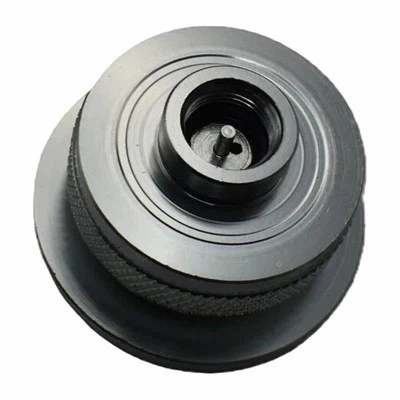
Reach out to our team to chat through your adapter needs—no sales jargon, no hidden fees, just actual answers to make your smart home work the way you want it to.
Butane Gas Torch References:
- Smart Home Adapters: A Guide to Compatibility, Protocol Translation, and Integration
- Consumer Smart Home Device Failures: Root Causes and Mitigation Strategies
- Matter Protocol: Interoperability in the Connected Home Ecosystem
- Low-Voltage Power Adapters for Battery-Free Smart Home Sensors: Safety and Performance Standards
- Zigbee vs. Z-Wave vs. Thread: Protocol Differences and Use Cases for Home Automation
Yuhuan Shunshida Intelligent Electromechanical Co., Ltd.
As one of the most professional adapter manufacturers and suppliers in China, we’re featured by quality products and good service. Please rest assured to buy durable adapter at low price from our factory. We also accept customized orders.
Address: No. 186 East Nanxing Road, Chumen Town, Yuhuan City, Zhejiang Province
E-mail: yuhuanshunshida@gmail.com
WebSite: https://www.cmssdgastorch.com/
