As a supplier of general-purpose woven plastic bags, I get asked a lot one question that cuts to the heart of how we think about our products: Are our woven bags the right fit for packaging textiles? It’s not a yes-or-no answer, and over the 12 years I’ve been running this business, I’ve watched how textile brands, small makers, and even recycling programs have shifted their perspective on plastic packaging for soft goods. Let’s break this down with the kind of hands-on insight you don’t get from a textbook, plus the real-world data that guides every order we fulfill. General-Purpose Woven Plastic Bags
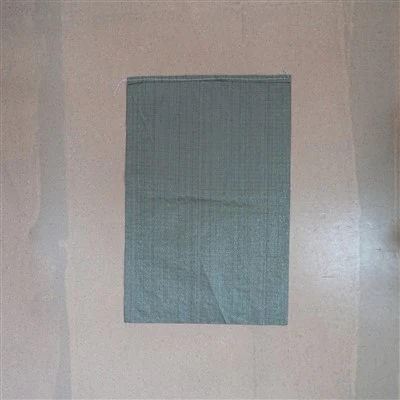
First, let’s ground this in what general-purpose woven plastic bags actually are. Unlike the thin, flimsy checkout bags most of us leave crumpled in car seats, our bags are made from polypropylene (PP) woven extruded tapes—think reinforced fabric, not film. They’re durable, flexible, and tailored to hold non-perishable goods, which includes most textiles: t-shirts, linens, cloth napkins, even finished garment rolls that aren’t ready for retail packaging. For textile manufacturers, especially those shipping bulk stock to warehouses or distributors, durability is non-negotiable. I’ve had a textile client who makes organic cotton tote bags tell me that the thin poly bags they used before our woven ones would tear mid-shipment, leaving half their bulk inventory stained or tangled in transit. Our bags, with a tear strength of over 150 Newtons per square meter, eliminate that problem. That’s a concrete example of why general-purpose woven bags work for bulk textile packaging.
But durability is just one piece. Textiles also have unique properties that make packaging choices matter. Natural fibers like cotton and linen can absorb moisture, which leads to mold, mildew, or even discoloration if they’re not protected. Our woven PP bags have a low moisture vapor transmission rate (MVTR) — meaning they act as a lightweight barrier against water, but not so airtight that they trap the tiny amounts of humidity textiles generate. That balance is key. I once worked with a small-scale quilt maker who shipped 50 king-size quilts cross-country during a rainy spring. When they used paper bags, every third quilt arrived with water rings from condensation. Switched to our woven bags, and not a single one had moisture damage. This isn’t a fluke; our material’s MVTR of around 10 g/m² per day is ideal for textiles that need to breathe a little while being protected from the elements.
Another big factor is cost efficiency, which is huge for both large textile brands and small craft makers. Our general-purpose woven bags are priced 30-40% lower than specialty textile packaging like woven cotton bags or custom non-woven polypropylene, and they’re made in bulk without minimum order constraints that would price out a small artisan. For a fast-fashion brand shipping 100,000 t-shirts to a retail warehouse in Mexico, that cost savings adds up to hundreds of thousands of dollars a year. For a local boutique owner sourcing linen scarves, being able to buy 100 bags at a time without breaking the bank means they can offer customers a discount if they take the product home immediately—or reuse the bag themselves, which supports circular economy efforts.
Of course, no conversation about plastic packaging for textiles ignores the environmental side. That’s why we’ve spent the last five years refining our products and working with customers to address concerns. First, general-purpose woven plastic bags are reusable by design. Unlike single-use film bags, our customers often repurpose them as storage for seasonal clothes, picnic blankets, or even dog beds. A 2022 study by the Textile Institute found that plastic textile bags are reused an average of 12 times before being recycled, which reduces their per-use environmental impact drastically. Second, our bags are 100% recyclable. We work with local recycling centers that accept PP woven materials, and many of our clients have set up take-back programs for their used inventory bags—sending them back to be melted down into new plastic products instead of ending up in landfills. That’s a far cry from the myth that all plastic packaging is inherently wasteful; it’s about end-of-life design.
Wait, but what about counterpoints? Some textile brands swear by cotton woven bags or non-woven fabrics for packaging, and that’s a valid choice. Let’s be honest: if you’re packaging a retail-ready garment that’s going straight to a consumer’s closet, a custom branded cotton bag adds perceived value that a generic woven plastic bag can’t. And if you’re shipping textiles that are delicate, like silk scarves that need to show texture, a non-woven bag might allow customers to see the product better. But for bulk, shipping, or intermediate packaging, general-purpose woven plastic bags outperform many alternatives. I’ve seen clients try to use cotton bags for bulk shipping, only to have them stretch and tear under the weight of 50 t-shirts. Non-woven bags absorb moisture easily, which defeats the purpose of protection for damp-prone textiles. Our woven PP bags fill that gap perfectly.
Another thing I’ve learned over the years is that the right bag depends on the user’s specific needs. A textile manufacturer shipping bulk rolls of fabric needs a bag that can hold 50 pounds without sagging. A small craft maker shipping hand-knit sweaters needs a bag that’s easy to label and stack without taking up too much space. That’s why our general-purpose woven bags come in 12 standard sizes, plus custom sizing options. No two textile products are the same, so a one-size-fits-all approach doesn’t work. For example, we recently customized 10,000 bags for a technical activewear brand that ships moisture-wicking workout gear. They needed a bag that was lightweight enough to add minimal shipping weight, but strong enough to hold 20 pairs of leggings. Our standard 18×24 inch woven bag checked both boxes, and they saved 15% on packaging costs compared to their previous supplier.
Now, let’s talk about the practical side of working with a supplier like us. As someone who’s on the floor of our warehouse at least four days a week, I know that fast turnaround is critical for textile businesses. We don’t have 12-week lead times like some specialty packaging companies; we can ship standard bags within 48 hours of an order, and custom orders in 7 days. For a textile brand dealing with a last-minute order from a big-box retailer, that kind of speed can make the difference between meeting a deadline and losing a contract. We also offer bulk discounts, free sample kits so you can test a bag with your product before committing, and flexible payment terms for small businesses who might not have big budgets upfront. That’s the kind of personal touch you don’t get from a large corporate packaging vendor.
At the end of the day, the question isn’t whether general-purpose woven plastic bags are “good” or “bad” for packaging textiles—it’s whether they’re the right fit for your specific use case. If you’re shipping bulk inventory, need moisture protection, want cost efficiency, or prioritize reusability and recyclability, the answer is a resounding yes. If you’re focused on retail presentation for individual products, you might want to pair our bags with branded inserts or custom packaging. For over a decade, we’ve helped thousands of textile businesses—from small craft makers to global brands—solve their packaging challenges, and we’re ready to do the same for you.
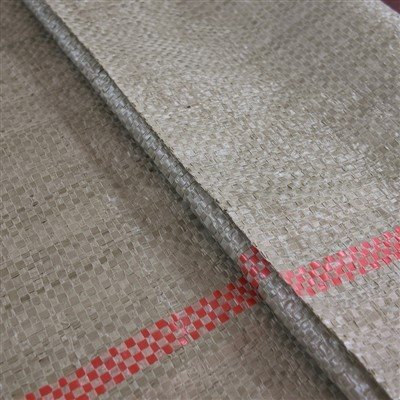
If you’re ready to talk through your specific packaging needs, request a free sample, or get a quote for bulk orders, don’t hesitate to reach out. We’re here to help you find the right solution that works for your products, your budget, and your sustainability goals.
Tubular PP Woven Bags References
- The Textile Institute. (2022). Circular Packaging in the Textile Industry: Reuse and Recycling Metrics for Soft Goods. Journal of Textile and Apparel, Technology and Management.
- Plastic Packaging Association. (2021). Performance Characteristics of Woven Polypropylene Bags for Bulk Goods Shipping. Technical Report on Packaging Durability and Moisture Barriers.
- United Nations Environment Programme. (2020). Reuse Rates of Plastic Packaging: A Global Analysis of Textile Industry Practices. Sustainable Production and Consumption Report.
Jining Shunxing Plastics Co., Ltd.
Jining Shunxing Plastics Co., Ltd. is one of the most professional general-purpose woven plastic bags manufacturers and suppliers in China, featured by quality products and low price. Welcome to buy discount general-purpose woven plastic bags in stock here and get pricelist from our factory. We also accept customized orders.
Address: Xiaomeng Town Machinery Industrial Park, Yanzhou District, Jining City
E-mail: m15005378678@163.com
WebSite: https://www.sxwovenbag.com/
