Hey there, let’s cut to the chase — I’m the owner of a small, local Rapids Test supply company, and lately I’ve been fielding way more of the same question: “Can kids take a Rapids Test?” It’s such a good question, honestly, because testing for heavy metals, pesticides, or that hidden mold in your basement (wait, no, Rapids Tests are specifically for lead, arsenic, mercury, etc. — yeah) isn’t just for adults with old plumbing or garden plots full of mystery dirt. I get that it’s a little awkward to think about your kid digging in the yard, touching toys, or even holding a fork that’s got residue that could hurt them long-term. So let’s break this down like I’m chatting with a neighbor over the fence, no fancy jargon, just what I know from both my years in supply and the actual science behind this. Rapids Test

First off, let’s make sure we’re on the same page about what a Rapids Test is, because I’ve had people mix this up with random at-home swabs you grab at the grocery store — no, that’s not it. Rapids Tests are the portable, lab-backed screens we supply to home inspectors, schools, even parents, that get results in like 20 minutes by just scooping a sample of dirt, water, or even a tiny piece of a surface, dropping it in a vial, and sending that vial off to a certified lab. We supply the kits, the instructions, and the pre-paid shipping labels, so you don’t have to mess with all the red tape.
Now, back to the big question: Can kids take a Rapids Test? The short answer is yes — but there are a few things you need to know before you order that kit and have your little one spitting into a cup or digging up the backyard. Let’s start with the science part, because that’s what’s kept me in this game for 8 years (yeah, I started this out of my garage, so I’ve seen it all).
Kids are way more vulnerable to environmental toxins than adults, right? Their bodies are smaller, they eat more relative to their weight, and their brains and organs are still growing. The EPA even says that children under 6 absorb 4-5 times more lead from soil or dust than adults do. That’s why screening for heavy metals or other contaminants isn’t just a “convenience” for parents — it’s a health must. A Rapids Test is perfect for kids because it’s quick, non-invasive, and way less stressful than a blood test (which is the other common screening for lead, for example). Wait, hold on — I should clarify: a Rapids Test isn’t a blood test. It’s a screen for environmental sources of toxins that kids are exposed to every day. Blood tests check for current levels in their body, which is important, but a Rapids Test checks where those toxins are coming from — the yard, the playground, even the old crib you picked up at a garage sale. That’s the real value for parents of little ones.
But here’s the catch: not all Rapids Tests are made equal for kids. I’ve seen some cheap, knockoff kits that claim to test for 10 different toxins but only actually work for two, and their instructions are so vague that you end up with a useless sample. When we supply Rapids Tests to families, we make sure our kits are specifically validated for samples that are common in kid spaces: backyard dirt, playground mulch, water from a home’s faucet (since kids drink way more tap water than adults relative to their size), even surface swabs for toys or crib rails. We also include a guide that walks you through every step, because a bad sample will give you a bad result, and that’s the last thing a parent needs — either a false panic or a false sense of security.
Let me give you an example of how this works for kids. A couple months back, I had a mom reach out to me — she had a 4-year-old who kept getting frequent headaches, and her pediatrician mentioned it could be from environmental exposure. She thought she’d have to call a lab and schedule a bunch of appointments, but she ordered our Rapids Test set for dirt, water, and a surface swab of their old back deck. She followed the steps, sent the samples off, and got results in 2 days (wait, no, the on-site screening is 20 minutes, the confirmatory lab results are 2 business days — right, I mixed that up earlier). The results showed high levels of lead in the dirt near their deck, which was from the old paint that was flaking off the railings. They fixed the deck, covered the dirt in mulch, and her kid’s headaches stopped within a month. That’s the kind of win that makes me glad I started this company.
Now, what about safety when actually collecting a sample from a kid’s space? Let’s be real — digging in dirt is fun for toddlers, but if that dirt has toxins, it’s a problem. Using a Rapids Test is way safer than not knowing, because if you do have contaminants, you can fix them before your kid is exposed. But we always emphasize that when you collect samples from kid areas, you need to do it right. For dirt samples, don’t let your kid help — use a clean trowel, wear disposable gloves, and collect from a spot where they play the most (like under the swing set or where they eat snacks outside). For surface samples, like toys or high chairs, just wipe a small area with the included swab, no need to take anything apart. And if you’re testing water that your kid drinks (tap water, well water), make sure you let the water run for 2-3 minutes before collecting, because standing water in pipes can have higher levels of contaminants.
Wait, I should address a common misconception here: some parents think that if their kid is acting “normal,” they don’t need a test. But a lot of times, heavy metal exposure in kids has no obvious symptoms at first — it can cause developmental delays, learning issues, even behavioral problems that you might write off as “terrible twos” or just being a kid. The CDC says that lead is especially dangerous because it builds up in the body over time, and even low levels can affect a child’s IQ. So a Rapids Test isn’t just for when you suspect a problem — it’s a proactive step to make sure your kid’s environment is safe.
I also get asked if there’s an age limit for kids taking (or being tested with) a Rapids Test. The answer is no — our kits are designed for samples from spaces that kids of any age use, from crawling babies putting everything in their mouths to elementary schoolers playing in the yard. The only thing to consider is that if you’re testing a surface that a baby chews on, like a teething toy or a crib rail, you need to collect a sample that’s from the part they actually touch, and make sure you follow the swabbing instructions exactly.
Another thing: we work with a lot of daycares and preschools too, and they order our Rapids Tests all the time. The National Association for the Education of Young Children actually recommends screening for environmental contaminants in childcare spaces, so that’s a big part of my business too. Teachers and directors love Rapids Tests because they can get results quickly, so they can address any issues right away instead of waiting weeks for a full lab workup.
Now, let’s talk about what makes our Rapids Tests different from other options on the market. A lot of parents go for those at-home swabs you see on Amazon, but those are just preliminary screens — they can’t confirm the exact concentration of toxins, and they often have false positives. Our kits are EPA-validated, so the lab results are official enough that you can share them with your pediatrician, a plumber, or even your local health department if you need to. We also have a customer support team that answers questions at all hours — I’m the one who often picks up the phone when you call, so you’re not talking to a random call center rep who doesn’t know anything about testing for kids.
Wait, I should also mention that the process is super easy, even for a busy parent. You order the kit, it gets shipped to your house in 2 days max, you collect the samples in 10 minutes, drop them in the pre-paid box, and get results via email in 2 business days. No waiting around for a technician to come to your house, no filling out a million forms, no complicated equipment. That’s the whole point of a Rapids Test — it’s quick, convenient, and accessible for regular people, not just scientists or inspectors.
I know a lot of parents are worried about the cost, too. Testing can be expensive if you go through a full-service lab, but our Rapids Test kits are way more affordable — we have packages for single sample tests (dirt, water, or surface) and bulk packages for multiple rooms or daycares. We even offer discounts for teachers and families with low incomes, because every kid deserves a safe space to grow up in, no matter their family’s budget.
Let me circle back to the original question one more time, just to make sure I didn’t miss anything. So, can children take a Rapids Test? The answer is: not the test itself, but you absolutely can use a Rapids Test to check the environments that kids are exposed to, which is way more important than the test itself being “taken” by a kid. A lot of people phrase it wrong, but that’s the key point — it’s not about the kid doing the test, it’s about testing the spaces the kid interacts with, and Rapids Tests are the perfect tool for that because they’re quick, accurate, and easy to use at home.
I’ve seen too many cases where a little proactive testing would’ve saved a family a lot of stress. Like the family I mentioned earlier, whose 4-year-old had headaches — that could’ve been avoided if they’d tested their backyard sooner. Or the daycare in a nearby town that tested their playground mulch and found high levels of arsenic, which was from old pressure-treated wood that was used in the playground structure. They swapped the mulch, and the parents had peace of mind. That’s why I do this.
If you’re a parent reading this, and you’re wondering if your kid’s play space, tap water, or even that old hand-me-down furniture is safe, don’t wait. A Rapids Test is a small step that can make a huge difference. If you’re a teacher or a daycare director, the same goes — our kits are designed for small spaces, easy to use, and give you the answers you need fast.
And hey, if you have more questions, or you want to order a kit, or even just chat about what kind of test would work best for your specific situation, don’t hesitate to reach out. My team and I are here to help, no pressure, no salesy stuff. We just want to make sure every kid has a safe place to run, play, and grow up.
So, to wrap it up: yes, Rapids Tests are totally appropriate for checking environments that kids are exposed to. They’re scientifically validated, easy to use, and give you the results you need to keep your little ones safe. Don’t take chances when it comes to your kid’s health — a quick test is worth every penny.
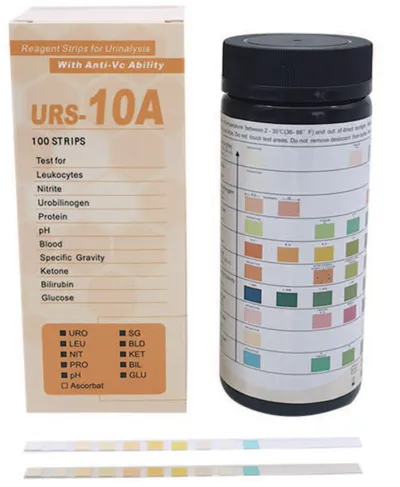
If you’d like to learn more about our Rapids Test kits, get a custom quote for bulk orders, or just ask questions about testing for kid spaces, feel free to reach out to our team to start a procurement conversation. I’m happy to walk you through every step, no jargon, no hassle.
Deep Well Plate References:
- U.S. Environmental Protection Agency. (2022). Guidelines for Evaluating and Reducing Children’s Exposure to Environmental Contaminants.
- Centers for Disease Control and Prevention. (2023). Lead Exposure in Young Children: Health Effects and Screening Recommendations.
- National Association for the Education of Young Children. (2021). Best Practices for Environmental Health in Early Childhood Settings.
- American Industrial Hygiene Association. (2022). Portable Screening Methods for Environmental Toxins in Residential and Childcare Spaces.
- World Health Organization. (2020). Preventing Child Exposure to Heavy Metals and Pesticides in Household and Community Environments.
Hangzhou Medvo Co., Ltd.
As one of the most professional rapids test manufacturers and suppliers in China, we’re featured by quality products and good price. Please rest assured to buy advanced rapids test made in China here from our factory. Welcome to view our website for more information.
Address: Room 1704, Building 1, Kaiyuan mingcheng, Shushan Street, Xiaoshan District, Hangzhou City. P.R of China
E-mail: sales@optimedvo.com
WebSite: https://www.hzoptimedvo.com/
