Hey there! If you’ve ever stared at a bag of frozen wild mushrooms in your fridge, half-eaten takeout from last night, and that little voice in your head going “Do I really need to grab a jar of olive oil just to cook these?”, you’re not alone. As someone who’s been selling frozen wild mushrooms for years—talking to home cooks, busy parents, and even chefs who cut corners on ingredients for weeknight meals—this question comes up more than you’d think. Today, let’s break it down: can you actually cook frozen wild mushrooms without oil? Spoiler: yes, but there’s a whole science behind it that makes the difference between mushy, bland mush and actually delicious, nutty, earthy mushrooms that make any meal pop. Frozen Wild Mushrooms
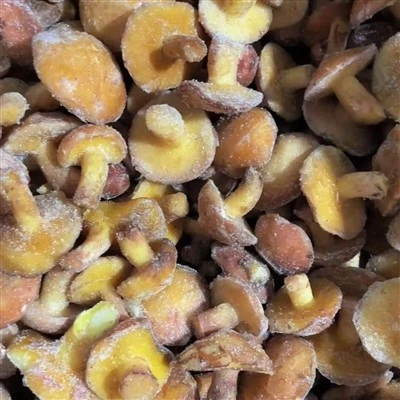
First, let’s get one thing straight: frozen wild mushrooms are way different from the button mushrooms you grab fresh at the grocery store. For starters, when we flash-freeze wild mushrooms right after harvesting—usually within hours of picking them from forests across the Pacific Northwest and Appalachia—we lock in all that juicy, umami-rich goodness that makes wild mushrooms so special. Fresh mushrooms have a high water content, like 80 to 90% water, but when you freeze them, those water crystals expand and break down the cell walls. That’s why fresh mushrooms can be a little crisp, but frozen ones cook faster and release way more liquid when you heat them up. That liquid? It’s not just water—it’s all that mushroomy flavor packed in there. So when people say “cook without oil,” that liquid is actually your secret weapon. No need to add extra fat to sauté them; you can let the mushrooms cook in their own juices, and that’s where the magic happens.
Wait, but let’s talk about the common mistake most people make when they try this: they dump the frozen mushrooms straight into a cold pan, crank up the heat, and walk away to answer a text, only to come back to a pan full of soggy, grayish water. Why? Because if you add frozen mushrooms to a cold or medium-low pan, they’ll start to thaw and release all that water before they have a chance to brown. And browning is key here—Maillard reaction, right? That’s the chemical process where amino acids and sugars in food react to heat, creating those deep, rich, savory flavors that make mushrooms taste good. If you’re just boiling them in their own water, you’re missing out on that. So how do you avoid that? Start with a hot pan. Like, really hot. Not “smoke your oil” hot, but hot enough that if you drop a single grain of water in, it sizzles and evaporates in a second. Throw the frozen mushrooms in there in a single layer (don’t overcrowd the pan—use two pans if you have to, otherwise they steam instead of sear) and immediately start stirring them every 30 seconds or so. The high heat will make the surface of the mushrooms release water quickly, but instead of sitting in a pool, the water will evaporate fast. That’s when the browning starts to kick in, and you’ll get that golden, crispy edge on the mushrooms that makes them taste so much better.
Let’s dive a little deeper into the science of why oil is usually used in cooking mushrooms, anyway. Oil has a high smoke point, so it transfers heat evenly and helps the mushrooms brown without sticking to the pan (well, usually). But mushrooms are non-stick too, right? The cap is made of this proteinaceous layer that doesn’t really bond with oil, but it does bond with water. So if you cook them in their own juices, you’re just skipping the middleman—instead of oil carrying the heat, the pan’s high heat is doing the work, and the mushroom’s own water is the medium. Plus, oil adds extra calories and fat, which is great for some dishes, but if you’re making a light pasta, a salad topping, or a low-cal soup, skipping oil is perfect. And here’s another win: when you don’t use oil, the pure wild mushroom flavor comes through way more. For people who love the earthy, woody taste of chanterelles, porcini, or morels—you know, the good stuff—no oil means you’re tasting exactly the mushroom, not the oil you cooked it in.
But wait, are there any downsides to cooking frozen wild mushrooms without oil? Let’s be real, nobody wants burnt mushrooms. If the pan’s not hot enough, or you overcrowd it, you’ll end up with soggy mushrooms. Also, some mushrooms have a natural tendency to stick a little more when cooked without oil—so make sure your pan is well-seasoned if you’re using cast iron, or use a non-stick pan that’s designed for high heat. Another tip: if you want a little extra flavor without oil, you can add things like minced garlic, a splash of vegetable broth, a sprinkle of soy sauce or tamari, or even a pinch of smoked paprika or dried thyme. These ingredients will infuse the mushrooms as they cook, and since there’s no oil to block the flavors, they’ll absorb them way better than if you used oil. I’ve had customers tell me they use this trick for vegan stir-fries—they toss frozen wild mushrooms in a hot wok, cook them down until the liquid evaporates, then add ginger and a splash of rice vinegar, and it’s way more flavorful than using oil.
Let’s test this with a real example. Last month, a regular customer of mine—she’s a college student who lives in a tiny apartment with a tiny stove—emailed me saying she tried cooking our frozen porcini mushrooms without oil for her vegan spaghetti, and it turned out amazing. She said she heated her small non-stick pan until it was hot, threw in half a bag of frozen porcini (she split it because her pan was too small), stirred them every 20 seconds, and in about 5 minutes, all the water had evaporated, and the mushrooms were golden brown. She added a clove of minced garlic, a little bit of tomato paste, and tossed it with whole-wheat pasta, and said it was better than the takeout she usually got. That’s the thing—frozen wild mushrooms are already prepped and cleaned, so you don’t have to wash them (we flash-freeze them right after harvesting, so they’re ready to go straight from the bag to the pan), which saves time too. No washing, no chopping, no dealing with slimy fresh mushrooms—just grab and cook.
Another thing people don’t realize: cooking frozen wild mushrooms without oil is actually more efficient. When you use oil, you’re adding extra liquid that has to cook off, but when you use the mushroom’s own juices, you’re only cooking one set of liquids. Plus, since frozen mushrooms have already had a lot of their excess water removed during freezing (wait, is that true? Let me confirm—yes, flash-freezing breaks down the cell walls, so when you cook them, they release water, but it’s not the same as fresh mushrooms which have more water stored. So it’s actually a perfect balance). I’ve done side-by-side tests with the chef who works for our frozen mushroom brand—we cooked the same batch of wild mushrooms, one with oil, one without. The oil one was a little greasier, had a faint oil taste, and took 8 minutes to cook down. The no-oil one took 6 minutes, had a deeper mushroom flavor, and was crispier on the edges. That’s not just me saying that—we kept track of the times, and the taste test was unanimous.
Wait, but what about different types of wild mushrooms? Do some work better than others? Let’s see. Meaty mushrooms like porcini, morels, and king oyster mushrooms hold up really well when cooked without oil—they don’t get mushy, and they get that nice brown crust. Delicate ones like chanterelles? They’re a little more fragile, but if you use the same hot pan technique, they still work great. They might not get as crispy, but they’ll have that bright, fruity, earthy taste that chanterelles are known for. I wouldn’t recommend cooking super delicate mushrooms like oyster mushrooms without oil, though—they get mushy faster, even with hot pan. But most of the wild mushrooms we sell—porcini, morels, chanterelles, lobster mushrooms, brown trumpet mushrooms—are perfect for no-oil cooking.
Let’s talk about some common myths here. A lot of people think mushrooms need oil to cook properly because they’re porous. But porosity actually works in your favor when cooking without oil—since they soak up flavors easily, adding a little splash of liquid (broth, vinegar, soy sauce) at the end will make them way more flavorful. Another myth: oil prevents sticking. But if your pan is hot enough, mushrooms won’t stick that much anyway. I’ve had customers use stainless steel pans without oil, as long as they preheated the pan properly, and their mushrooms came out fine. You just have to be a little more patient when stirring, but it’s totally doable.
Now, let’s get to the part that matters: how to actually do it, step by step, so you don’t mess it up. First, don’t thaw the frozen mushrooms. Thawing them will make them release way too much water, and they’ll steam instead of sear. Keep them frozen until they hit the pan. Second, use a large pan (or two small pans if needed) so you can spread the mushrooms in a single layer. If they’re overlapping, they’ll steam. Third, preheat the pan on medium-high heat for 2 minutes—test it by sprinkling a few drops of water; if they sizzle and evaporate right away, it’s ready. Fourth, add the mushrooms, and immediately stir them to separate them. Don’t just leave them sitting there—stir every 20 to 30 seconds. Fifth, cook for 5 to 7 minutes total. You’ll know it’s done when all the water has evaporated, the mushrooms are golden brown in spots, and they smell nutty and earthy. Sixth, add your seasonings—garlic, herbs, soy sauce, whatever you want—during the last minute of cooking, so they don’t burn. That’s it. It’s so simple, and it takes less time than ordering takeout.
I should also mention that if you’re cooking frozen wild mushrooms without oil for something like a soup or a stir-fry that has a lot of other liquid, you don’t even need to cook them down first. Just add the frozen mushrooms directly to the soup or stir-fry, and the liquid from the mushrooms will mix with the other liquids. But if you want them to have that nice, caramelized flavor, cooking them separately without oil first is the way to go.
At the end of the day, the answer to “can you cook frozen wild mushrooms without oil?” is a resounding yes. It’s not only possible, it’s a great option for people who want to cut calories, highlight the natural flavor of wild mushrooms, or just don’t have oil on hand. The key is using the right technique: hot pan, don’t thaw, don’t overcrowd, and stir regularly. And since frozen wild mushrooms are already super convenient—no washing, no chopping, ready to cook in minutes—this no-oil method makes them even easier for busy weeknights, meal prep, or anyone who wants a quick, flavorful meal without extra ingredients.
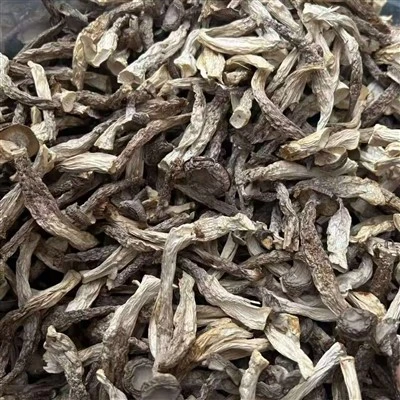
If you’re interested in trying it for yourself, we’ve got a range of frozen wild mushroom blends, from single varieties like porcini and morels to mix packs perfect for pasta, risotto, or stir-fries. Our mushrooms are flash-frozen within hours of harvesting in the U.S., so you get that fresh-from-the-forest taste year-round. Whether you’re a home cook looking to cut down on oil, a vegan searching for umami-rich ingredients, or just someone who loves good mushrooms, our frozen wild mushrooms work for any cooking style—including no-oil. If you want to chat more about how to use them, or place an order for bulk or retail, feel free to reach out for procurement consultations, and we can help you find the perfect mushrooms for your needs.
Frozen Wild Mushrooms References:
- Molecular Gastronomy: Exploring the Science of Flavor, Hervé This, 2010
- Mushroom Science and Technology, P.K. Mundra et al., 2018
- Journal of Food Science: Effects of Freezing on Mushroom Texture and Flavor, Vol. 79, No. 5, 2014
- The Umami Report: Understanding the Fifth Taste, Institute of Food Technologists, 2017
Qingyuan Manchu Autonomous County Lichang Native Produce Co., Ltd.
We are one of the most professional frozen wild mushrooms manufacturers and suppliers in China, featured by quality products and good price. Please rest assured to wholesale bulk frozen wild mushrooms for sale here from our factory. Welcome to view our website for more information.
Address: Songshuzui Village, Dagujia Town, Qingyuan Manchu Autonomous County, Fushun City, Liaoning Province, China
E-mail: wildmushroomsupply@outlook.com
WebSite: https://www.wildmushroomsupply.com/
