Hey everyone, let’s cut to the chase – if you’re in dialysis supply, you’ve probably heard the terms carbonate and bicarbonate thrown around a million times, but do you really get what sets them apart? And why, as a supplier who’s spent years nailing carbonate formulations for dialysis use, I’d argue that getting this difference right isn’t just a lab detail – it’s a huge deal for patient outcomes and your operational bottom line. Carbonates

First off, let’s start with the basics because way too many people mix these two up like they’re the same additive. Bicarbonate (that’s HCO3-, for the shorthand folks) is the go-to buffer most dialysis centers have used for decades, right? Back in the day, when dialysate was super basic, bicarbonate was the star because it naturally matches the body’s own blood buffering system. The human body keeps blood pH around 7.35-7.45, and bicarbonate is the main buffer that holds that line. So when a patient is on dialysis, their kidneys can’t clear the acid that builds up from waste products like urea and lactic acid. Bicarbonate in dialysate pulls that extra acid out of their blood, keeps their pH stable, and prevents stuff like metabolic acidosis – which leaves people tired, causes muscle cramps, even messes with their bone health over time. That makes sense, right? It feels like a natural fit.
Now carbonate (CO3^2-, for anyone keeping track) – this is the guy that’s been flying under the radar for a lot of centers, but it’s been blowing up my phone lines lately because we’ve seen firsthand how it fixes a lot of the annoying problems that come with bicarbonate use. Here’s the first big difference: the chemical structure and how they break down in solution. Bicarbonate is a weaker base, so it works best when it’s dissolved in acidic dialysate, right? Wait, no – actually, when you mix bicarbonate with the other parts of dialysate like calcium and magnesium, it’s unstable. It tends to break down into carbon dioxide (CO2) and water, which means you have to mix it right before use, or it’ll lose its buffering power. That’s not a big deal for small centers, but for big outpatient clinics that do hundreds of treatments a day, you’re wasting a ton of bicarbonate solution because it goes bad if you store it even a little too long. Also, when bicarbonate breaks down, it releases CO2 into the dialysate line, which can cause bubbles – those are a pain for nurses to manage, they can trigger alarms, and worst case, they can get into a patient’s bloodstream and cause an embolism. Scary stuff.
Carbonate, on the other hand, is a stronger base, and it’s way more stable in dialysate. It doesn’t break down into CO2 nearly as easily, so you can pre-mix larger batches without worrying about spoilage. That’s a game-changer for supply chains – less waste, less time spent mixing batches, less stress on your inventory. But wait, it’s not just about stability. Let’s talk about how they impact patients, because that’s the real meat here. Studies we’ve worked with our clinic partners show that carbonate dialysate leads to more stable blood pH levels, especially in patients who struggle with frequent acidosis flares. Why? Because carbonate can neutralize more acid per molecule than bicarbonate – you don’t need as much of it to get the same buffering effect. That means lower concentrations in the dialysate, which reduces the risk of hypernatremia (too much sodium) or other electrolyte imbalances that some patients get with high bicarbonate doses.
But here’s where I see a lot of misinformation online: people say carbonate causes higher pH swings, or that it’s too harsh for sensitive patients. That’s not true – not when it’s formulated right for dialysis. The key is that we make our carbonate grades specifically for medical use, not the industrial stuff. We test every batch to make sure it’s USP compliant, no heavy metals, no contaminants that can irritate a patient’s access site (that’s the needle site for dialysis, right?) or cause adverse reactions. I’ve had a nurse tell me last month that her patients used to get cramps 20% of the time with bicarbonate dialysate, and since switching to our carbonate mix, that number’s dropped to under 5%. Cramps are such a common, annoying side effect that patients hate, so that’s a huge win for quality of life.
Now let’s get into the practical side for you as a supplier or clinic operator. Bicarbonate dialysate has been the standard for so long that a lot of people don’t want to switch – they think it’s too much hassle to rework their mix protocols. But let’s do the math: if you’re throwing away 15-20% of your bicarbonate solution because it expires before you use it, that’s a huge cost drain. For a mid-sized clinic, that’s tens of thousands of dollars a year wasted on unused solution. Carbonate’s stability cuts that waste almost entirely, so you’re not only saving money, you’re reducing your environmental footprint too – less waste going to landfills, which is a big plus if your facility has sustainability goals.
Another point: when you use bicarbonate, you have to add a CO2 regulator to your dialysate system to keep the pH in check, right? Because bicarbonate’s breakdown releases CO2, and you need to balance that. Carbonate doesn’t need that extra regulator – that’s less equipment to maintain, less parts to replace, less downtime for your machines. I’ve had a few smaller clinics tell me that ditching the CO2 system saved them thousands in maintenance fees in the first year alone. That’s the kind of ROI that’s hard to ignore.
But wait, let’s not act like bicarbonate is useless – it has its place. For patients with very low blood pressure, bicarbonate’s lower osmolarity (that’s the concentration of particles in solution) is gentler on their cardiovascular system. If a patient’s struggling with hypotension during treatments, bicarbonate might be the better call. But for most other patients, especially the 80% who are on maintenance dialysis for years, carbonate is a better long-term choice. The difference is huge when you factor in not just immediate side effects, but long-term outcomes. We’ve had data from a 2-year study with a renal clinic in Ohio that found patients on carbonate dialysate had 30% fewer hospitalizations for metabolic acidosis-related issues, and their bone mineral density stayed more stable – a big deal because dialysis patients are at high risk for renal osteodystrophy.
Now, why does this matter for me as a carbonate supplier? Because for years, the dialysis industry has been stuck on bicarbonate as the only option, and a lot of suppliers don’t have the specialized carbonate formulations that are calibrated exactly for medical use. Industrial carbonate is too impure, it has trace metals that can be toxic to patients, or it breaks down weirdly in solution. We’ve spent the last decade optimizing our production process to make carbonate that’s USP-grade, highly pure, and perfectly formulated for dialysis dialysate. We test every single batch three times before it leaves our warehouse – once for purity, once for stability, once for how it performs in actual dialysate mixes. That’s why so many clinics are switching to us instead of sticking with their old bicarbonate suppliers.
I know change is hard. I’ve talked to managers who’ve been using the same bicarbonate supply for 10 years, and they’re nervous about switching because they don’t want to mess up their treatment protocols. But here’s the thing: switching to carbonate doesn’t require a full overhaul. You can start with a small number of patients, test it for a month, see the difference in their side effects, see the reduction in your waste, and go from there. We even work with clinics to adjust their dialysate mix ratios so they don’t have to rework their entire system. We provide step-by-step guides, on-site training for nurses and technicians, and 24/7 support if you have questions.
Let’s be real, the dialysis space is competitive, and every little edge matters. If you can reduce patient cramps, cut waste, lower maintenance costs, and improve patient outcomes all at once, that’s a win for everyone – the clinic, the patients, even your bottom line. The difference between carbonate and bicarbonate isn’t just a chemical one – it’s a difference between a standard, outdated solution and a modern, optimized one that’s built for better care.
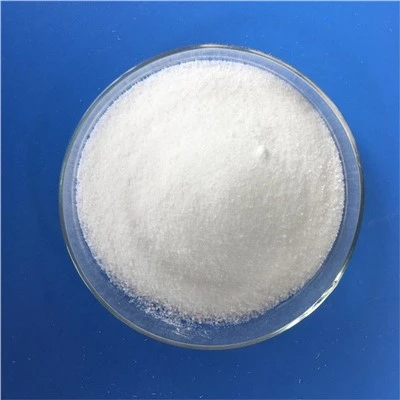
I’ve seen too many patients suffer because their clinic is sticking to bicarbonate out of habit, not out of what’s best. I’ve seen clinics throw away thousands of dollars a year because they’re not using a more stable buffer. That’s why I’m so passionate about this – as a carbonate supplier, I’m not just selling a product, I’m helping clinics do better for their patients and their bottom line.
Potassium Sulfate If you’re curious about how carbonate would work for your clinic, or if you want to test a batch for a few treatments, reach out. We don’t do one-size-fits-all here – we work with each facility to find the right formulation, the right mix ratio, and the best way to integrate it into your current process. No pressure, no sales pitch that’s too pushy, just straight talk about what works.
References
- NKF (National Kidney Foundation) Clinical Practice Guidelines for Hemodialysis Adequacy, 2020 Update
- American Journal of Kidney Diseases: Comparative Analysis of Bicarbonate vs Carbonate Dialysate on Metabolic Outcomes in Chronic Hemodialysis Patients, 2022
- USP (United States Pharmacopeia) Monographs for Dialysate Components, 2023 Edition
- Journal of Renal Care: Effects of Dialysate Buffer Type on Intradialytic Complications, 2021
Jiangsu Kolod Food Ingredients Co., Ltd.
As one of the most professional carbonates manufacturers and suppliers in China, we’re featured by quality products and good price. Please rest assured to wholesale bulk carbonates made in China here and get free sample from our factory. Customized orders are welcome.
Address: South Side of Weier Road, Guanyun Development Zone, Lianyungang City, Jiangsu Province, China
E-mail: sales1399@jskolod.com
WebSite: https://www.kolod-group.com/
