Hey guys, quick question – have you ever dug through your skincare drawer or travel bag and found an old eye mask tucked in the back, only to stare at the tiny date on the packaging and go “wait, do these even expire?” As someone who’s been in the eye mask game for years, I get this all the time – customers slide into my DMs asking if they’re wasting their money on a pack of “expired” ones, or if a mask that’s a few months past that date is still worth slapping on their face. Let me break this down, straight from someone who deals with eye masks every single day, no boring jargon, just real talk. Eye Masks
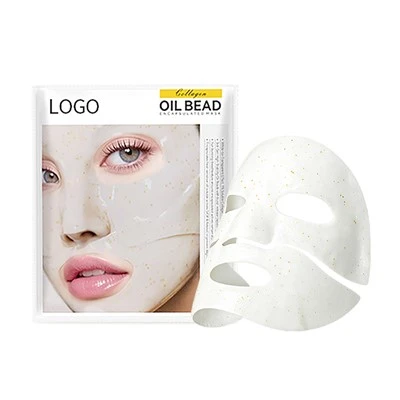
First off, let’s get one thing straight – eye masks do expire. But that’s not just a random date slapped on to make you buy more. It’s there for a reason, and it has way less to do with the mask being “bad” and way more to do with how it works. Let’s start with what’s actually in a typical eye mask, right? The good ones – and I’m not just talking our brand here, I’m talking quality masks overall – aren’t just a piece of fabric. Most have active ingredients: hyaluronic acid to plump, caffeine to de-puff, aloe to soothe, maybe niacinamide to brighten. Those ingredients break down over time. Like, hyaluronic acid is stable for a while, but if it’s sitting in a sealed packet for too long, it starts to lose its moisture-binding power. Caffeine? It’s volatile, especially when exposed to light or heat, so after a year or so, it’s just not going to do much for those under-eye bags. That’s the main thing – the expiration date is basically a guarantee that the active ingredients are still at their full strength, so you get the results you paid for.
But wait, here’s the part most people don’t know: there’s a difference between an expiration date and a “best by” date, and a “use by” date? No, actually, for eye masks, it’s usually a “period after opening” (PAO) date and a “manufacture expiry” date. Let me explain. The PAO is that little icon on the packet – you know, the one that looks like a jar with a number and “M” for months – that tells you how long to use it after you crack the seal on a pack. Our masks have a 12-month PAO, for example, because once you open the individual sachets, the ingredients start interacting with air, light, whatever. If you leave an open sachet out for a week, it’s probably still fine, but if you keep the whole pack open on your counter for 6 months, those active ingredients are toast. Then there’s the expiration date printed on the outer box, which is the maximum time the sealed product will stay at full potency. For our eye masks, that’s 2 years from manufacture, but that can vary brand to brand.
Wait, let’s talk about the big myth I hear all the time: “if it looks and smells fine, it’s safe to use.” Nah, not always. I’ve had customers bring up masks that are 3 years past the expiry, look totally normal, smell like aloe, but when they used them, their under-eyes got all red and itchy. Why? Because even if the mask looks okay, the preservatives that keep it free of bacteria and mold can break down too. Those preservatives are crucial – eye skin is super thin, way thinner than the skin on your arm, so putting a bacterial-laden mask on there? That’s a quick trip to the dermatologist for irritation, even a little infection. Preservatives aren’t meant to last forever, especially when the active ingredients start to break down, so that’s when the risk goes up.
Now, let’s get specific about factors that make eye masks expire faster, because it’s not just about the date on the box. Storage is everything. If you store your eye masks in a hot bathroom – you know, the one that steams up every time you shower, 24/7 heat and humidity – that’s basically speeding up the expiry process by like 6 months. We always tell customers to store their masks in a cool, dry place, not the shower caddy, not the inside of their car dashboard (seriously, don’t leave them in the car in summer, that is a disaster for any skincare product). Light too – UV light can break down ingredients, so if your mask is in a clear plastic box on your windowsill, that’s bad. Our masks come in foil-lined sachets for a reason, by the way – that light-blocking material keeps the good stuff fresh longer.
What about if a mask is a little past the expiry date, but you barely used it, it’s still sealed, and you stored it perfectly? Is that okay? Let’s be real – I’ve tested our masks 6 months past expiry, as long as they’re unopened and stored right, and the results are still pretty much the same. The active ingredients might be 10-15% less potent, but they’re not going to hurt you. Where you draw the line is 1 year past expiry, max, for sealed, perfectly stored masks. Any more than that, and the preservatives are usually starting to fail, so even if it looks fine, the risk of irritation goes way up. I’d never tell someone to throw out a mask that’s 3 months past and never been opened, but I will tell you not to use a mask that’s 2 years past, even if it looks good.
Wait, let’s talk about different types of eye masks, because not all of them are the same. Gel masks, the ones with the serum that soaks into the fabric – those usually have a shorter shelf life, right? Because they have more liquid and active ingredients. The sheet masks that are more saturated with serum tend to expire faster than the fabric masks infused with less liquid, or the ones that are just hydrogel with minimal additives. Then there are the under-eye patches, those tiny little discs you press under your eyes – those usually have a longer shelf life, but again, the ones with caffeine or retinol will expire faster than plain aloe ones. Oh, and the reusable eye masks, the silicone ones you heat or cool? Those don’t have active ingredients, so they don’t really “expire” in the same way. They can get moldy if you don’t clean them, or the elastic can stretch out, but that’s way different. I get questions about those all the time too, people ask if they expire, and the answer is no, just keep ‘em clean and check for damage.
Let me also address something that comes up a lot from people who buy in bulk. “If I buy a 10-pack of eye masks, can I use them all before they expire?” That’s a valid question. Buying in bulk is great for saving money, but you have to keep track of the expiry dates. We always tell bulk buyers to check the manufacture date when they order, so they know how long they have. If you go on vacation, and you don’t use masks for 3 months, that’s fine, as long as you store them right. But if you buy a 50-pack and it’s only 3 months from expiry, you might not want to buy that, because you’ll only have a few months to use all of them. Pro tip: if you’re buying in bulk, split the pack with a friend, so you don’t have a bunch expiring unused.
Now, let’s get to the part that most people actually care about: what happens if you use an expired eye mask? Like, the worst case scenario. Most of the time, it’s just mild irritation – redness, itching, maybe a little puffiness that doesn’t go away. That’s not the end of the world, but it’s annoying. But in some cases, especially with really old masks, you can get a little bacterial infection, like a stye or conjunctivitis, because the preservatives have broken down and bacteria grew in the serum. I’ve heard horror stories from customers who used a mask that was a year past expiry and woke up with a puffy, red under-eye that lasted 3 days. Not fun. And on the flip side, using an expired mask that’s lost its active ingredients? You just wasted 20 minutes of your night, basically, because the caffeine or hyaluronic acid is gone, so you’re not going to get that de-puffing or plumping effect. So it’s a double win – no results, possible irritation.
Wait, let’s clear up a common confusion between “expiry date” and “shelf life.” The shelf life is how long the product is at full potency and safe to use, right? Which is exactly what that date on the box is telling you. So when in doubt, check the date. If you can’t find it (some cheap brands don’t print it, which is a red flag), just toss it. Any brand worth their salt will have a clear expiry date and that PAO icon.
Let me also throw in a little tip from our team, since we’re in the supply side of this. When we pack orders, we make sure that all masks we ship have at least 18 months left on the expiry date, so customers have plenty of time to use them. We hate getting complaints from people who open a pack and it’s expiring in 2 months, that’s just bad business. And if you ever get a mask that’s expired when you receive it, hit us up, we’ll replace it no questions asked, because that’s not how it should be.
Now, let’s get to the part that ties this all together, because I know you’re probably thinking “okay, so what do I do with this info?” First, always check the expiry date before you buy, whether it’s in a store, online, or from a supplier like us. Second, store your masks correctly – cool, dry place, not in the bathroom, not in the car. Third, don’t hoard them. Buy what you can use in 6-12 months, unless you’re splitting a bulk pack with a friend. Fourth, if you find an old mask and it’s only a month or two past expiry, and it’s unopened, smells and looks normal, go ahead and use it, just don’t make a habit of it. If it’s more than 6 months past, or it looks weird, smells off, or has any discoloration, toss it, no regrets.
And hey, if you’re in the market for new eye masks, whether it’s for personal use or to stock up, we’ve got you covered. Our range has everything from de-puffing caffeine masks to hydrating hyaluronic acid ones, all with clear expiry dates, long shelf lives, and that foil-lined sachet to keep them fresh. If you’re looking to buy in bulk for retail, for a spa, or just need a good supply for your team, hit us up – we can get you wholesale pricing, custom packaging if you need it, and make sure all your orders have plenty of shelf life left. No hoops to jump through, just solid eye masks and straight answers.
Wait, before I wrap this up, let’s recap the most important points so you don’t forget: 1) Eye masks do expire, it’s not a marketing trick. 2) Expiry date = when active ingredients lose potency and preservatives might fail. 3) Storage is key – bad storage cuts shelf life short. 4) A little past expiry unopened is fine, but don’t push it too far. 5) Reusable masks don’t expire, just clean ‘em. That’s it, no complicated stuff, just the real tea on eye mask expiration.
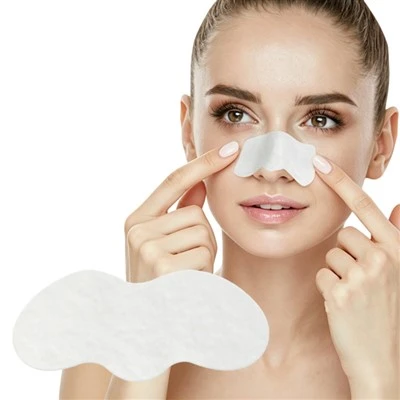
I get it, it’s easy to toss a random pack in your drawer and forget about it, but a 2-minute check of the expiry date can save you from a bad night’s sleep, irritated under-eyes, or wasting money on a product that doesn’t work. And if you have questions about our masks, or want to place an order for bulk or retail, don’t hesitate to reach out. We’re here to make sure you get the best eye masks that actually work, and that you know exactly how long they’ll last.
Cream Eye Mask References:
- American Academy of Dermatology. (2022). Skincare Product Expiry: What You Need to Know.
- International Journal of Cosmetic Science. (2020). Stability of topical cosmetic ingredients under different storage conditions.
- Food and Drug Administration. (2021). Cosmetic Product Labeling: Expiration Dates and Dating.
- Journal of Dermatological Science. (2019). Skin barrier properties of the periorbital region: Implications for skincare product safety and efficacy.
Yizhuang Meishi (Guangzhou) Technology Co., Ltd.
Yizhuang Meishi (Guangzhou) Technology Co., Ltd. is one of the most experienced eye masks manufacturers and suppliers in China. We are committed to providing high quality OEM/ODM and private label services for global clients. Please feel free to wholesale bulk customized eye masks at competitive price from our factory. Welcome to contact us for quotation and free sample.
Address: Building 5, No. 45-4, Kexing Road, Taihe Town, Baiyun District, Guangzhou City, Guangdong Province
E-mail: delialeelj@163.com
WebSite: https://www.skincarecom.com/
