Hey everyone! Let’s cut to the chase: if you’re on the hunt for affordable, durable stepping stones that don’t scream “overpriced concrete pavers,” you’ve probably wondered—can granite chips actually work for that? As a granite chips supplier who’s spent the last 7 years sourcing, testing, and hooking up landscapers, homeowners, and small contractors with all kinds of projects, I’ve got way more hands-on experience here than I do textbook jargon. Let me break this down straight, no fluff. Granite Chips
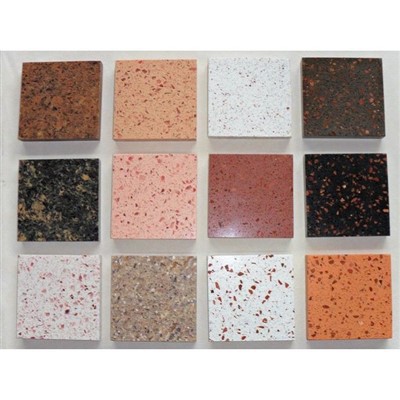
First off, let’s clear up what granite chips even are—for anyone who’s not deep in the materials game. These aren’t the crumbly, decorative pebbles you see in flower beds (though they’re similar in rock type). We’re talking angular, half-inch to 2-inch chunks of crushed granite, leftover from quarrying countertops, building stone, and other finished granite products. They come in every shade of gray, plus pinks, tans, and blacks depending on the quarry, and they’re way harder than your average gravel or even some river rocks. That hardness is the key here—granite’s rated a 6-7 on the Mohs scale, right between quartz and diamond. For context, concrete is around 5, so these chips don’t scratch, crack, or break down nearly as fast.
Now, the big question: do they hold up as stepping stones? Short answer—yes, but not just dumping them on the ground and calling it a day (trust me, I’ve seen a newbie do that and end up with chips sinking into mud after two rainstorms). Let’s get into the details that make this work, and the small hacks that make it way better than what you might be thinking.
First, why granite chips beat the alternatives for stepping areas. Let’s compare to the usual suspects: concrete pavers are rigid, can shift if your soil settles, and look way too generic if you don’t splurge. River rocks are smooth, so they’re a slip hazard when wet—ask anyone who’s tripped on a wet mossy river rock path. Crushed regular gravel (like limestone) breaks down over time into dust, gets tracked everywhere, and turns to mud when it rains. Granite chips? They don’t dust easily, their angular edges lock together like tiny puzzle pieces when compacted, and they drain way better than solid pavers. That’s a huge win for folks in areas with heavy rain or clay soil that doesn’t hold water.
But wait—let’s talk about the two main ways people use granite chips for stepping stones, because that’s where most people mess it up. The first is what I call the “interlocking chip path,” which is perfect for casual, low-traffic areas—like a side yard path from the driveway to the garage, or a small garden loop. The second is when people mix them with a binder to make a solid, flat surface, which works for higher-traffic areas like a main backyard path or even a tiny patio.
For the interlocking path: here’s how we do it right. You need to prep the base first—no skipping this step, I don’t care how small the path is. Dig down about 4 to 6 inches, remove all the grass and weeds (pro tip: lay down a sheet of landscape fabric over the bare soil to stop weeds from popping up later—skip the cheap fabric, it tears easily after a year). Then add a 2-inch layer of compacted crushed stone base (not granite chips, this is a different smaller rock) to keep the whole path from shifting. Once that’s packed tight, spread your granite chips in a 2 to 3 inch layer. Here’s the trick: wet them lightly with a hose, then use a plate compactor (or even a rented lawn roller if you don’t have a compactor) to press them down. The moisture makes the angular edges stick together, and the compactor squishes them into that solid, non-slip surface. For light foot traffic—just walking back and forth, maybe a bike—this works amazing. I’ve had a customer in Ohio use this for their side path, and it’s been 5 years and zero issues, even through freezing winters.
Now, the binder method for solid stepping stones. If you want something flatter that can handle mowing over it (for a lawn edge path) or even a wheelbarrow occasionally, mix granite chips with a small amount of polymer-modified cement or a permeable binder. Wait, permeable is key here—you don’t want a solid concrete path that floods after heavy rain. We recommend mixing 1 part polymer binder to 6 parts granite chips, spread that 2 inches thick over your compacted base, smooth it out, and let it cure for a week. This gives you a rigid, flat surface that looks way more natural than concrete, and it’s still permeable so water doesn’t pool. Last year I sold a ton of chips for this to a landscaper who was doing a backyard oasis, and he told me his client loved that it matched the stone accents in their patio.
But let’s get real—there are downsides, and I’m not gonna hide that. First, if you use chips that are too big (over 2 inches), they’ll be uncomfortable to walk on—like stepping on tiny rocks that roll under your feet. That’s why we always recommend ½ to 1 inch chips for paths; any bigger is just a recipe for stubbed toes. Second, in super sandy or loose soil, even the compacted base might let the chips sink over time. Our advice there is to add a extra inch of crushed base to the trench before laying the chips, so there’s a stable layer under them. Third, if you skip the compaction step, the chips will shift—you’ll end up with little holes after a few months, and you’ll have to top them off every spring.
Wait, let’s talk about cost, because that’s a huge reason people ask me about granite chips instead of pavers. A pallet of concrete pavers runs about $3 to $5 per square foot, installed. A ton of granite chips (enough to cover 100 square feet at 2 inches thick) is $40 to $60, so that’s like $0.40 to $0.60 per square foot for the material alone. Even adding the cost of landscape fabric and a rental compactor, you’re still 70% cheaper than pavers. No wonder homeowners and small contractors are jumping on this—especially with materials prices going up the last few years.
I should also mention the aesthetic, because that’s what gets people excited. Granite chips have that natural, rustic look that works for everything from modern farmhouse yards to wild, cottage-style gardens. You can choose from gray for a sleek, neutral look, or pink granite for a pop of color, or black for a more dramatic path. And unlike pavers, you don’t have to worry about matching a specific set or dealing with broken replacements—if you need to add a little extra to a spot, just grab a handful of chips and top it off. That’s way easier than ordering a single paver that might not match the color of your old ones.
Now, let’s clear up a common myth: some people think granite chips will attract bugs or rodents. No, not any more than gravel or pavers. They’re hard rock, so they don’t decompose like wood mulch, so there’s no food source for bugs. The landscape fabric under them keeps weeds from growing through, so you don’t get clumps of weeds that might attract pests. We’ve been supplying chips for paths for years, and I’ve never gotten a complaint about bugs from that. Another myth: they’ll stain easily. Granite is pretty stain-resistant—oil, grass stains, even fertilizer won’t leave a mark like they might on concrete pavers. Just rinse them off with a hose if something spills, and you’re good.
Wait, what about high-traffic areas? If you’re making a path that leads to a front door where people walk 10+ times a day, or a driveway path where someone pushes a stroller or a lawnmower, can granite chips handle that? For the interlocking method, yeah—we’ve seen it hold up for years with that kind of traffic, as long as you compacted it properly. If you want even more durability, go with the binder mix path. That can handle wheelbarrows, small cars (though don’t drive a pickup on it, obviously), and heavy foot traffic way better.
I’ve also seen people use granite chips for stepping stones in smaller, separate spots—like around a fire pit, or as accent stepping stones in a lawn. If you want individual stepping stones instead of a continuous path, you can take large flat granite chips (we call them “flagstone chips,” 12 to 18 inches across) and set them in a bed of smaller granite chips. That gives you the rustic look of stepping stones, with the small chips filling in the gaps so you don’t have grass growing between them. That works way better than just setting flagstone in soil, because the gaps won’t turn into mud when it rains.
Now, let’s talk about a few mistakes I see people make all the time, so you can avoid them. First, don’t just buy random granite chips from a big box store. A lot of those are leftover material that’s not sorted for size, so you get a mix of tiny dust and big chunks, which makes compaction hard. When you buy from a supplier like me, we screen the chips to get consistent size, which makes the path way more stable. Second, don’t skip the base. I can’t stress this enough— I once had a customer who tried to make a path by just dumping chips on grass, and by the end of summer it was all sunk into mud. He came back to me, bought base rock, redid it, and it’s still solid 3 years later. Third, don’t use too many fine particles. If your chips are full of dust, they won’t compact right— the dust gets wet and turns to mud, making the path slippery. We wash our granite chips before delivery to get rid of excess dust, which is a small step that makes a huge difference.
If you’re thinking about trying this out, here’s a quick checklist to make sure it works for you:
- Know your traffic: casual foot traffic = interlocking path; heavy foot/light equipment = binder path.
- Size your chips right: ½ to 1 inch is perfect for paths, bigger is for accents.
- Prep that base: dig out weeds, add compacted crushed base, lay landscape fabric.
- Compact like your path depends on it—because it does.
At the end of the day, granite chips are a totally viable, budget-friendly alternative to traditional stepping stones. They’re durable, low-maintenance, and look way more natural than concrete or pavers. And as a supplier, I’ve got all the different colors and sizes you need—whether you’re doing a tiny garden path or a whole backyard makeover.

If you’re ready to grab some granite chips for your project, or just have questions about how much you need, what size works best, or even how to prep your base, hit us up. We can hook you up with a quote, answer any random questions, and even point you to local contractors if you don’t want to do it yourself. No pressure, no weird fine print—just straight up advice from someone who’s been doing this for years.
Granite Chips References
- National Stone, Sand & Gravel Association. (2022). Properties of Crushed Granite for Landscaping Applications.
- University of California Agriculture and Natural Resources. (2021). Permeable Hardscaping Options for Residential Yards.
- American Society of Landscape Architects. (2023). Cost-Effective Materials for Outdoor Walkways.
Dengjian New Materials Technology Dongtai Co., Ltd.
As one of the most professional granite chips manufacturers and suppliers in China, we’re featured by quality products and good price. Please rest assured to buy customized granite chips made in China here from our factory. Contact us for pricelist.
Address: Qindong New Materials and Equipment Industrial Park, Dongtai City, Yancheng City
E-mail: 992683005@qq.com
WebSite: https://www.djwallmaterial.com/
