Yo, folks! As a lathe supplier, I get asked a ton of questions about our machines. One of the most common ones is, "What’s the maximum length of material that a lathe can handle?" Well, let’s dive right into this topic and break it down. Lathe
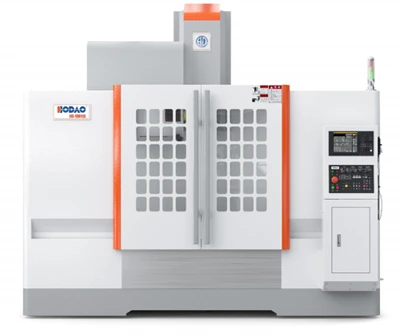
First off, it’s important to know that there’s no one – size – fits – all answer to this question. The maximum length of material a lathe can handle depends on several factors.
Types of Lathes and Their Capabilities
Bench Lathes
Let’s start with bench lathes. These are the smaller, more compact lathes that you can place on a workbench. They’re great for small – scale projects, like making jewelry, small parts for models, or doing some light machining.
Bench lathes usually have a pretty limited capacity when it comes to the length of the material they can handle. Most of the bench lathes we supply can handle materials up to about 12 inches (30.48 cm) in length. This is because of their size and design. They’re built to be portable and take up less space, so their beds (the part that supports the material) are shorter.
For example, if you’re making a small wooden pen or a tiny metal component, a bench lathe with a 12 – inch capacity is more than enough. But if you’re thinking about working on something longer, like a table leg or a long metal rod, you’re gonna need to look at other options.
Engine Lathes
Engine lathes are the workhorses of the lathe world. They’re bigger, more powerful, and can handle a wider range of materials and sizes.
The maximum length of material that an engine lathe can handle varies a lot. Our basic engine lathes can typically handle materials up to 36 inches (91.44 cm) in length. These are the ones that are great for small – to – medium – sized shops or hobbyists who need a bit more capacity than a bench lathe.
But if you go for the larger, industrial – grade engine lathes we offer, they can handle materials up to 10 feet (3.05 meters) or even longer in some cases. These monsters are used in big manufacturing plants where they need to turn out long, precision parts. For instance, in the automotive industry, they might use these large engine lathes to make long drive shafts or axles.
CNC Lathes
CNC (Computer Numerical Control) lathes are a bit different. They’re programmed to do precise operations, and their capacity can also vary.
Our smaller CNC lathes, which are often used for prototyping or making small batches of parts, can handle materials up to 24 inches (60.96 cm) in length. They’re really precise, but because they’re often designed for more detailed work, their length capacity isn’t as high as some of the big engine lathes.
On the other hand, our large – scale CNC lathes can handle materials just as long as the industrial engine lathes, up to 10 feet or more. These are used in high – volume production, where they need to make accurate, long parts over and over again. For example, in the aerospace industry, they use these large CNC lathes to make long, lightweight components for airplanes.
Other Factors That Affect Material Length Capacity
Bed Design
The design of the lathe’s bed plays a huge role in determining how long a material it can handle. A longer bed obviously means it can support a longer piece of material. But it’s not just about length. The rigidity of the bed is also important.
If the bed isn’t rigid enough, the material can flex or vibrate while it’s being turned. This leads to poor surface finish and inaccurate dimensions. Our lathes are designed with high – quality, rigid beds to ensure that even when you’re working with long materials, you get a smooth and precise cut.
Tailstock and Chuck
The tailstock and the chuck are two other important components. The chuck holds one end of the material, while the tailstock supports the other end.
The type of chuck you use can affect the length of material you can handle. A three – jaw chuck is great for quick and easy gripping of round materials, but it might take up more space compared to a four – jaw chuck. If space is tight, a four – jaw chuck might allow you to work with a slightly longer piece of material.
The tailstock needs to be able to move along the bed to support different lengths of material. Our lathes have tailstocks that can move smoothly and lock in place securely, so you can adjust them to support materials of various lengths.
Tooling and Clearance
Another factor to consider is the tooling and the clearance around the lathe. The cutting tools need to be able to reach all parts of the material without hitting the bed or other components.
If you’re using a long – reach tool, you might be able to work with a slightly longer piece of material. But you also need to make sure that there’s enough clearance for the material to rotate freely without hitting anything.
How to Choose the Right Lathe Based on Material Length
So, how do you decide which lathe is right for you based on the length of the material you want to work with?
If you’re just starting out as a hobbyist and you’re mainly working on small projects like making small wooden bowls or short metal rods, a bench lathe with a 12 – inch capacity is probably all you need. It’s affordable, easy to set up, and takes up less space.
If you’re running a small – to – medium – sized shop and you need to make parts that are up to 36 inches long, an engine lathe would be a better choice. It gives you more power and versatility compared to a bench lathe.
For large – scale production or if you need to work with materials that are 10 feet or longer, you’ll need either a large engine lathe or a CNC lathe. These are more expensive and require more setup and maintenance, but they’re essential for high – volume, precision work.
Wrapping It Up and Connecting
In conclusion, the maximum length of material that a lathe can handle depends on the type of lathe, bed design, tailstock and chuck, and tooling clearance. There’s a wide range of options out there, from small bench lathes to large industrial machines.
If you’re in the market for a lathe and you’re not sure which one is right for your project, don’t hesitate to reach out. We’ve got a team of experts who can help you figure out the best lathe for your needs in terms of material length and other requirements.

Get in touch with us to start a conversation about your lathe purchase. We’re here to make sure you get the right machine for your job.
Engraving and Milling Machine References:
- "Machine Shop Handbook" by Industrial Press, Inc.
- Industry knowledge and experience from years in the lathe supply business.
Taizhou Qiyang Trading Co., Ltd.
As one of the most professional lathe manufacturers and suppliers in China, we’re featured by quality products and good price. Please rest assured to buy bulk lathe for sale here and get quotation from our factory. Customized orders are welcome.
Address: Zhenhai Village, Binhai Town, Wenling City, Taizhou City, Zhejiang Province
E-mail: qycncmachine@outlook.com
WebSite: https://www.qycncmachine.com/
