Hey there, guys! Let’s cut to the chase—if you’ve ever noticed one of your tires is wearing way faster than the others, you’ve probably Googled a dozen “car repair hacks” and still come up short. Today, I’m not just here to rant about weird car problems; I’m actually a auto bushing supplier, so I’ve seen first-hand how worn parts cause way more headaches than most folks realize. And trust me—tires are the biggest casualty here. Let’s break this down like we would over a coffee at the shop, no boring textbook jargon, okay? Auto Bushing
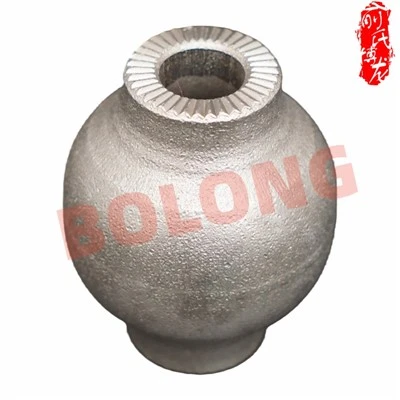
First, let’s remember what a bushing even is, because half the people I talk to call them “rubber thingies” and that’s fine by me, but let’s get the basics right. Auto bushings are those little, round (or sometimes weirdly shaped) rubber (or sometimes polyurethane) cushions that fit between metal parts of your car’s suspension. Think of it like the soft pad between your kitchen cabinet doors—they stop two hard metal pieces from clanging together, reduce vibration when you hit a pothole, and keep your wheels aligned where they’re supposed to be. Sounds simple, right? But here’s the thing: bushings take a beating every single time you drive. Potholes, speed bumps, even that random construction lane you swerved around last month—all of that slowly wears them down.
Now, the big question: do worn bushings actually cause uneven tire wear? The short answer is yes—like, 100% yes. The longer answer is why, and let’s get into that. Your car’s suspension is all about control, especially when it comes to keeping your tires flat on the road, pointing straight where you want them. If your bushings are shot, that control goes out the window. Let’s say your front control arm bushings are worn out. Those are the ones that hold your front wheels in the proper position. When a bushing is brand new, it’s stiff enough to keep the wheel aligned with the chassis, but flexible enough to absorb shocks. After 50k or 60k miles (some cars even sooner if you drive on rough roads), that rubber cracks, compresses, or just gets all squishy. Suddenly, the control arm can move around—like a door hinge that’s loose. That means your front wheels aren’t pointing straight anymore. One might be slightly turned in, one slightly out, or they might even have too much camber (that’s the angle of the tire relative to the road) or toe (how much the tires point in or out at the front).
Unmatched wheel alignment = uneven tire wear. Let me paint a picture for you: if your front tires are pointing inward (toe-in), the inside edge of each tire is going to drag against the road every time you drive straight. That means you’ll see a big, bald patch right on the inner edge of the tire, while the rest is still like new. If they’re pointing outward (toe-out), you get the opposite—bald spots on the outer edge. Camber issues? If a tire is leaning too far inward (negative camber) or outward (positive camber), the side that’s angled will wear way faster than the rest. I see this all the time at the shop I work with—customers come in complaining about tire noise, and we check the alignment, only to find worn sway bar bushings or control arm bushings throwing everything off. Their tire receipt from the last month? $200 gone because they skipped checking the bushings.
Wait, but let’s make sure we’re not mixing up cause and effect here. Sometimes people think uneven tire wear is just “bad tires” or “bad alignment,” but alignment issues don’t happen out of nowhere. Most of the time, it’s worn bushings. A lot of drivers get a alignment done, it works for a few weeks, then the wear comes back—and that’s because the root problem is still the bushing. If the bushing is loose, it’s pulling the control arm out of place, so even if you reset the alignment, it’s just going to shift back. I’ve had customers come back to me saying “my alignment shop told me my tires are misaligned, but they couldn’t fix it because my bushings are worn”—that’s exactly it. You can’t fix a misalignment from worn bushings without replacing the bushings first.
Now, let’s talk about how this happens over time, because it’s not like one day you’re fine, the next your tires are bald. It’s gradual. Let’s say you drive to work every day, and your lower ball joint bushings are starting to get soft. Every time you hit a pothole on your commute, the wheel moves a tiny bit. At first, you might feel a little vibration in the steering wheel, or a clunk when you turn. But after months of that, each little movement adds up. The bushing wears more, the alignment shifts a tiny bit more, and eventually, you start to see uneven tire wear. It’s not a sudden thing—usually, it’s a “wait, my tire has a weird flat spot here, how did that happen?” moment. And most people don’t connect it to bushings because they’re small, hidden parts. They don’t live on the outside of the tire or under the hood, they’re tucked between metal parts, so you don’t think about them until they break.
I should also mention polyurethane vs. rubber bushings here, since that’s a common question. Rubber is the standard stock stuff—soft, good for vibration absorption, but it wears out faster if you drive on rough roads or do a lot of cornering. Polyurethane is stiffer, lasts longer, and gives better control, but it’s harsher on the ride. A lot of people ask me if polyurethane bushings cause more tire wear, and no—if you get the right size, they actually prevent uneven tire wear because they hold the suspension tighter. The problem is cheap polyurethane bushings that are too stiff, but good quality ones will keep your alignment consistent, so less tire wear. Just don’t skimp on cheap parts, that’s my rule.
Now, let’s add a real example to make this tangible. Last month, a guy came in with his 2018 Honda Civic, complaining he had to replace his front tires every 25k miles, which was way more than the usual 50k. We lifted the car, checked the bushings—turns out his front sway bar bushings were completely cracked, and his lower control arm bushings were compressed. We replaced both sets, aligned the wheels, and now he’s on his third set of tires, at 45k miles, no issues. He told us he tried three different alignment shops, all of which said he needed to replace bushings, but he didn’t do it because he thought it was a scam. Oops. That’s exactly why this matters—ignoring worn bushings isn’t just a “wait till they break” thing, it’s going to cost you way more in tires and other parts down the line.
Another thing: what if you ignore it? Like, just keep driving with worn bushings and uneven tire wear. Well, first, you’ll be wasting money on tires. Tires aren’t cheap—especially if you have a performance car or an SUV. That $150 you saved by not replacing bushings? You’ll spend that three times on new tires in a year. Second, uneven tire wear is dangerous. Bald spots mean less traction, especially in wet or snowy weather. If you’re on a highway and your tire suddenly loses grip, that’s a crash waiting to happen. Third, worn bushings can lead to other suspension damage. If a control arm is moving around too much, it can put stress on ball joints, tie rods, even the wheel hub. Next thing you know, you’re replacing three parts instead of just bushings, and the bill is way higher.
So, how do you check if your bushings are worn, before you get uneven tire wear? Let’s keep it simple, no need for fancy tools. First, look for visible damage. Pop the hood, or lift the car with a jack (be safe, please) and check the rubber bushings for cracks, splits, or gaps between the rubber and metal. If the rubber is peeling away from the metal, that’s bad. Second, test for play. Grab the wheel at the top and bottom, push and pull it hard. If it moves more than a little, that’s play, which means the bushings are worn. Same with side to side—if there’s more than an inch of movement, time to check the bushings. Third, listen for weird noises when you drive. Clunking when you go over bumps, squeaking when you turn, or vibration in the steering wheel that wasn’t there before—all signs of worn bushings.
Now, as someone who’s in the auto bushing supply game, let me give you a tip: don’t buy the cheapest bushings you can find. I’ve seen a lot of cheap off-brand bushings that wear out in 10k miles, which is just a waste of money. Stick to reputable brands that use good rubber or high-quality polyurethane, and make sure they’re the right fit for your car. If you’re not sure which bushings you need, you can always look up your car’s make and model, or even bring your old bushing to a shop—we can help you match it.
Wait, let’s circle back to the original question one more time, to make sure we’re solid: yes, worn auto bushings absolutely cause uneven tire wear. They’re the foundation of your suspension—if the foundation is weak, everything else (alignment, tire contact, ride quality) falls apart. It’s not a myth, it’s something we see every single day at auto shops, and it’s one of the most common causes of premature tire wear. A lot of drivers don’t connect those tiny, hidden bushings to their tire problems, but once you replace them, the difference is night and day. The vibration goes away, the tire wear slows down, and your car handles better too.
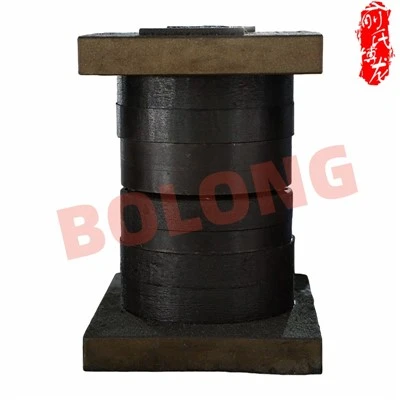
Now, let’s get to the part you’re here for—if you’re dealing with uneven tire wear, or you know your bushings are worn and need to replace them, don’t put it off. Ignoring this will only cost you more money and more hassle down the road. Whether you’re a DIY mechanic looking for replacement parts, or a shop owner needing bulk bushings for your team, we’ve got you covered. We stock all kinds of auto bushings for every make and model, from rubber to polyurethane, and we make sure our parts are durable and fit right. If you have questions, need help choosing the right bushings, or want to place an order, just reach out to our team—we’re here to help you get your car back on track, without the weird alignment scams or overpriced parts.
Surface Finishing References:
- National Highway Traffic Safety Administration (NHTSA) – Vehicle Suspension System Safety and Maintenance Guidelines
- Automotive Parts Manufacturers Association (APMA) – Tire Wear Patterns and Suspension Component Interactions
- SAE International – Performance Characteristics of Rubber and Polyurethane Automotive Bushings
- Car and Driver – Common Causes of Uneven Tire Wear and How to Fix Them
Ningbo Fenghua Bolong Machinery Manufacturing Co., Ltd.
Ningbo Fenghua Bolong Machinery Manufacturing Co., Ltd. is one of the most professional auto bushing manufacturers and suppliers in China, also supports high quality customized service. With abundant experience, we warmly welcome you to buy durable auto bushing made in China here from our factory.
Address: No. 27 Hehai Road, Binhai New Area, Fenghua Economic Development Zone, Ningbo City, Zhejiang Province
E-mail: seven@nbbolongmachinery.com
WebSite: https://www.nbbolongmachinery.com/
