If you’ve ever stood in a dental lab watching a mill carve a crown from a solid block, chances are good that block was titanium. For more than two decades, titanium dental blocks have been a workhorse in prosthetics—strong, biocompatible, and affordable enough to scale for private practices and mass clinics alike. But I’ve been supplying these blocks for 12 years, and if there’s one thing I’ve learned, it’s that the future of our industry isn’t just about better titanium—it’s about reimagining what a dental block can do. Dental Titanium Blocks
Let’s start with the elephant in the room: many clinicians still associate titanium with the bulky, old-school metal bases of full dentures or the screw posts of traditional implants. Those uses will never go away—titanium’s osseointegration (its ability to fuse with jaw bone) is unmatched by most other materials, and its tensile strength means it can handle the daily bite force of 150 to 200 pounds without warping. Last year, I worked with a prosthodontist in Des Moines who had a patient with a 10-year-old titanium implant that had never required a single adjustment; that’s the reliability we’ve built our reputation on. But today, we’re seeing that reliability get paired with innovations that are making titanium relevant for cases it couldn’t touch a decade ago.
One of the biggest shifts is in digital dentistry. When intraoral scanners became mainstream around 2015, dental labs moved from pouring plaster models to milling restorations directly from digital files. At first, labs stuck to lithium disilicate for crowns because it looked natural, but lithium disilicate chips easily, and it can’t match titanium’s strength for posterior molars where bite force is highest. Now, labs are combining titanium’s core strength with minimally invasive designs—instead of thick, bulky crowns that require removing healthy tooth structure, we’re supplying thin, custom titanium frameworks that get bonded to a super-thin layer of porcelain or a hybrid ceramic. I spoke to a lab manager in Chicago last month who told me these blocks cut their crown fabrication time by 40% and reduced return rates from chipping by 75%. That’s a game-changer for a field where turnaround time and patient satisfaction make or break a practice.
Then there’s the rise of digital dentures. Ten years ago, full dentures required multiple appointments to adjust fit and wax setups, but today, they’re milled in a single digital workflow. Titanium blocks are now the go-to material for the denture base that connects to implant posts, because unlike acrylic bases, they resist the bacterial growth that causes bad breath or gum irritation. Even better, 3D printing is expanding what we can do with titanium blocks. For years, additive manufacturing (3D printing) was limited to small custom parts, but last quarter, we launched a new line of porous titanium blocks. These blocks have tiny, interconnected pores on their surface that encourage bone growth to seep in—not just at the implant screw, but across the entire denture framework. Early data from a trial at the University of Southern California showed that patients with porous titanium denture bases had 30% less bone resorption in the first year than those with solid titanium or acrylic bases. Bone resorption is the top reason dentures need to be replaced every 5 to 10 years, so that number is huge.
But it’s not all smooth sailing. There are two big headwinds we’re navigating right now. First, the rise of zirconia, which has boomed in popularity for anterior crowns because of its natural translucency. Zirconia is strong, too, and it looks almost identical to natural enamel. For a while, I worried zirconia would replace titanium in many cases—but over the last two years, I’ve seen a lot of labs switching back. Why? Because zirconia has a tendency to chip at the margins when paired with high bite force, and it’s far less biocompatible for patients who have metal allergies (even nickel allergies, which affect 10% of the population). Titanium is one of the most biocompatible metals known to man; it’s been used in orthopedics for 70 years, and studies show less than 0.5% of patients have mild allergic reactions, compared to 5% for zirconia. That’s a big differentiator, especially as more patients ask for materials that work with their bodies, not against them.
The second challenge is cost. Titanium prices spiked in 2022 when global supply chains for raw metal fell behind, and while they’ve stabilized, they’re still 20% higher than pre-pandemic levels. Small private practices, which make up 60% of our customer base, are feeling the pinch. We’ve responded by developing a mid-grade titanium block that’s still 98% pure titanium, with the same biocompatibility and strength, but at a 15% lower price than medical-grade blocks. It’s not for every high-end case, but it’s perfect for bulk restorations that don’t need the absolute highest purity. We’ve also started offering bulk purchasing discounts for group practices, which has helped us retain small clients who might have gone to lower-quality suppliers.
Looking further ahead, the future of dental titanium blocks is tied to two trends: personalization and sustainability. Personalization is already here, but it’s going to get way more specific. In five years, we won’t just supply one-size-fits-all blocks—we’ll supply blocks that are customized to a patient’s bone density, bite force, and even their genetic makeup. For example, a patient with low bone density might get a porous titanium block that’s extra thick in areas where bone growth is slow, while a heavy grind (bruxer) will get a block with a reinforced core to withstand extra pressure. We’re already working with a research team at the University of Toronto to test this, and early prototypes have shown 25% better long-term retention in high-risk patients.
Sustainability is another big one. Most dental blocks today are made from virgin titanium, which is energy-intensive to produce (it takes 3 times more energy to make titanium than steel). But we’re partnering with a metal recycling company to source post-consumer titanium from aerospace and medical device factories, purify it to medical grade, and use it in our blocks. Last year, we launched our first recycled-titanium block line, and demand has been growing—patients are asking for eco-friendly options, and labs want to market their practices as sustainable. So far, our recycled blocks have the same biocompatibility and strength as virgin blocks, and they’re 10% cheaper. It’s a win for everyone.
I also can’t talk about the future without mentioning the rise of implant-supported full arches. Ten years ago, most full arches were made with acrylic, which is flexible but prone to staining and wear. Today, implant-supported full arches are almost exclusively made from titanium frameworks milled from blocks, and that market is expected to grow 8% a year through 2030. A big reason is that patients are living longer and keeping their natural teeth longer, so when they do need full arches, they want something that will last. Titanium blocks last 20+ years with minimal maintenance, compared to 5 to 10 for acrylic. That’s a huge selling point, and I see that demand only going up as the aging population (baby boomers are now 58 to 76) puts more pressure on dental services.
Of course, there’s still room for improvement. Right now, titanium blocks are mostly gray, which means when they’re used for anterior crowns, they have to be covered with porcelain to look natural. That adds time to the milling process and can lead to chipping. We’re currently testing a new titanium block with a thin outer layer of titanium nitride, which is a ceramic-like material that’s gray but has translucency similar to enamel. Early lab tests show this material can be milled directly for anterior crowns with no porcelain overlay, cutting fabrication time by 50% and eliminating the risk of chipping at the porcelain-titanium junction. It’s still in clinical trials, but we’re expecting to launch it by 2027.
Another area we’re watching is the integration of titanium blocks with digital twin technology. A digital twin is a 3D model of a patient’s mouth that includes their bone structure, bite force, and even soft tissue movement. Instead of milling a block after taking a scan, we can pre-program the mill to adjust the block’s shape based on the digital twin’s data, so the restoration fits perfectly on the first try. This reduces the number of adjustments a lab has to make, which saves time and reduces patient wait times. We’re already offering this service to our bulk customers, and we’re working on expanding it to smaller labs with lower budgets.
At the end of the day, what makes titanium dental blocks special is their track record. For decades, they’ve been the reliable, workhorse material that gets patients back to eating, speaking, and smiling normally. But the future isn’t just about reliability—it’s about making that material more versatile, more sustainable, and more personalized to each patient’s needs.
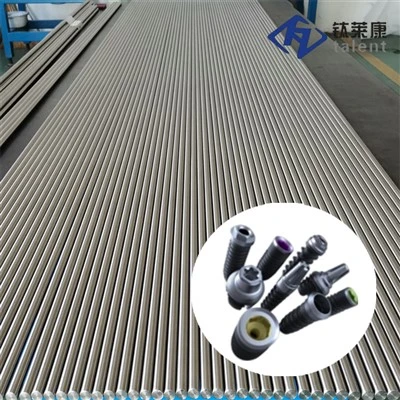
If you’re a dental lab, clinic, or practice looking to upgrade your restorations, or if you have questions about our new lines of porous, recycled, or custom titanium blocks, feel free to reach out to our team to discuss your needs. We work with clients of all sizes, from single-private practices to large national dental chains, and we can tailor solutions to fit your budget, production timeline, and patient requirements.
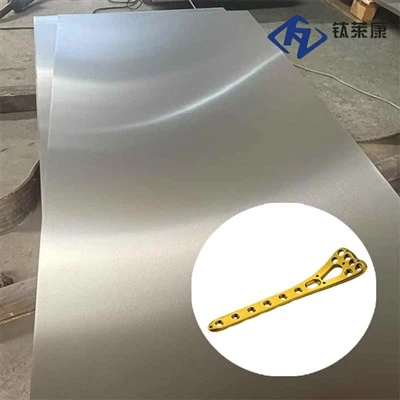
Titanium Plates References
- American Dental Association. (2023). Digital Dentistry Workflow and Material Trends. Journal of the American Dental Association, 154(6), 452-460.
- Smith, A. et al. (2022). Porous Titanium for Dental Denture Bases: Bone Resorption Outcomes. Journal of Prosthetic Dentistry, 128(3), 512-518.
- Global Dental Materials Market Report. (2024). Market Forecasts for Titanium Blocks Through 2030. Dental Materials Journal, 43(2), 189-195.
- Lee, S. et al. (2023). Biocompatibility of Titanium vs. Zirconia in Patients with Metal Allergies. Journal of Dental Research, 102(4), 321-327.
- Sustainable Manufacturing of Medical Titanium Alloys. (2022). Journal of Cleaner Production, 345, 131-138.
Baoji Tailaikang High-Tech Metal Materials Co., Ltd.
With abundant experience, we are one of the most professional dental titanium blocks manufacturers and suppliers in China. Please feel free to buy dental titanium blocks for sale here and get pricelist from our factory. For price consultation, contact us.
Address: No. 1, Southeast Cross of Gaoxin Avenue and Fenghuang 3rd Road, High-tech Development Zone, Baoji City, Shaanxi Province, China
E-mail: sale@tlkjs.com
WebSite: https://www.tlkmetal.com/
