Hey everyone, it’s Jake from your go-to pneumatic quick couplings supplier – and if I had a dollar for every time I got a call this month from a shop or production line panicking about a sudden air leak, I could buy a whole new set of precision tools. Let’s be real: pneumatic leaks aren’t just annoying air hissing (or that high-pitched squeal that makes your team want to tear their hair out) – they’re a hidden money drain. Studies I’ve seen peg unaddressed pneumatic leaks costing manufacturers anywhere from 20 to 30% of their compressed air energy bills, and that’s before you factor in downtime fixing a line mid-shift or wasted parts because the pressure dropped too low to run equipment right. Pneumatic Quick Couplings
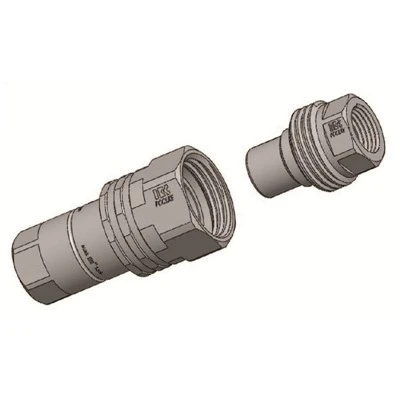
The biggest culprit? 9 times out of 10, it’s the quick coupling. Those little disconnects are the workhorses of any pneumatic setup – we designed our line to swap hoses, tools, and attachments in seconds without fumbling wrenches – but they’re also the most common weak point. Today I’m breaking down exactly how to stop these leaks dead, no fancy maintenance crew or crazy downtime required. No stuffy engineering jargon, just real tips we’ve picked up working with shops from small fabrication garages to big automotive plants every week.
First, let’s start with the basics that everyone skips because they’re “too simple” to matter. You wouldn’t leave a tire underinflated for weeks because you “forgot” to check, right? Same logic applies here. A lot of folks see a tiny leak and think, “It’s just a little air – no big deal.” But that tiny leak is like a slow puncture in your wallet. And more often than not, the root of that tiny leak is something you could have fixed in 2 minutes, not a faulty coupling.
Wait, hold up – I’m not just talking about our couplings here. I’ve seen leaky connections on every brand out there, because even the best parts only work if you install them right and care for them. Let’s start with installation: the single most common mistake we see is pushing the coupling together all willy-nilly, not making sure it’s fully engaged. So many guys grab the hose, yank the coupling, and call it a day, but there’s a tiny safety collar on every quick connect that locks into place when it’s seated right. You’ll feel a firm, satisfying click – not a soft “snick” – when it’s fully connected. And once it’s clicked, give the hose a gentle tug to test it; if it pulls free easily? You missed the lock, and that’s why you’re getting leaks. I can’t tell you how many times we’ve sent a customer a whole new coupling set just because they skipped that tiny click step.
Next up, fittings and threads. A lot of people slap Teflon tape on the threads, but do it wrong and that’s a leak source too. The rule here is simple: wrap Teflon tape clockwise, only 3 to 5 times, and stop 1 thread shy of the end. Why clockwise? Because when you tighten the coupling onto the fitting, you’re turning it clockwise – if the tape is going the other way, it’ll bunch up and get squished into the coupling, blocking the seal. And stopping short? If you cover the last thread, the excess tape can get pushed into the pneumatic line, clogging filters or even damaging tools. We even sell a little thread sealant paste for people who hate messing with tape, it’s less messy and works just as well for most low-pressure setups.
Now, let’s talk about maintenance – it’s not rocket science, I promise. Every 3 months, set a reminder to inspect your quick couplings, not just when there’s a problem. First, check the O-ring – that little rubber ring inside the coupling that does all the sealing. If it’s cracked, flattened, or has gunk (dust, oil, metal shavings) caked on it, that’s your leak right there. We stock replacement O-rings for every coupling size we sell, so it’s a 5-minute swap, no need to buy a whole new coupling. Pro tip: when you replace an O-ring, wipe the inside of the coupling clean with a lint-free rag and a little isopropyl alcohol to get rid of any built-up grime – gunk is the #1 cause of O-ring damage, especially in dusty shop environments or places with oily air lines.
Another maintenance step: lubrication. Quick couplings don’t need heavy grease, but they do need a tiny bit of light pneumatic oil every month to keep the moving parts working right. If the locking mechanism gets sticky or dirty, it won’t seat fully, leading to leaks. Just a drop or two of oil on the end of the coupling, push it together a few times to work it in, and you’re good. I see a lot of guys skip this, especially in shops that use synthetic oil or dry air lines, and before you know it, the coupling is sticking, and that’s when leaks start popping up.
Wait, what about when your coupling actually is bad? Let’s be real, parts wear out – no component is forever. A lot of people wait until their coupling fails completely, but there are warning signs. If you have to push way harder than normal to get it to click, if it wobbles when connected, or if you can hear a consistent hissing even when it’s fully seated, that’s a sign it’s time for a replacement. Now, not all couplings are made the same – cheap, no-name couplings might save you a few bucks upfront, but they’re made with thinner metal, cheap rubber O-rings, and worse locking mechanisms. We’ve had customers come to us after buying couplings that only lasted 2 months, because the O-rings cracked from heat or the locking collar broke under regular use. Investing in a quality coupling means fewer leaks, less downtime, and way less money spent on replacements every year.
Also, don’t forget about how you’re using the couplings. A quick connect isn’t meant to be a handle for dragging hoses around, or a point to hang tools when you’re done. Pulling on the coupling too hard, bending the hose at a sharp angle, or dropping the coupling on the concrete will bend the locking mechanism or crack the coupling body, and that leads to leaks. I see this all the time in fabrication shops where guys just yank the hose instead of turning off the line and disconnecting the coupling properly. Take 2 extra seconds to loosen the coupling before moving the hose or hanging tools – it’ll save you from so many headaches.
What if you already have a leak and you need to fix it right now, in the middle of a production run? Let’s say you don’t have time to do a full inspection. First, turn off the compressed air line immediately – don’t try to mess with a leak while the line’s pressurized, that’s a safety hazard too. Disconnect the coupling, wipe the O-ring clean, check for any cracks or damage. If the O-ring just has a little grime on it, a quick wipe and reconnection might fix it. If the O-ring is cracked, swap it out for a replacement, or if you don’t have a spare, a tiny bit of silicone grease (not too much!) around the old O-ring might get you through the rest of the shift, just make sure to replace it as soon as you can.
Wait, another thing: pressure matching. A lot of people use couplings rated for a lower pressure than their line, which is a disaster waiting to happen. If your line runs at 150 PSI, don’t use a coupling rated for 100 PSI – the extra pressure will stretch or crack the O-ring and cause leaks. All our couplings are rated for specific pressure ranges, and we always help customers pick the right size and rating for their setup, because using the wrong one is just setting yourself up for leaks.
I know this sounds like a lot, but most of this is just small habits that take 2 minutes to do. Over the years, we’ve helped thousands of customers cut their leak rates by 70% just by following these basic steps, no fancy upgrades required. If you’re dealing with constant leaks, or if you’re not sure if your current couplings are the right fit, we’re here to help. We don’t just sell quick couplings – we work with every customer to figure out what their setup needs, because we know that less leaks mean less downtime, lower energy bills, and a happier team. We’ll help you pick the right couplings, stock replacement parts so you have them when you need them, and even walk you through maintenance tips over a quick call.
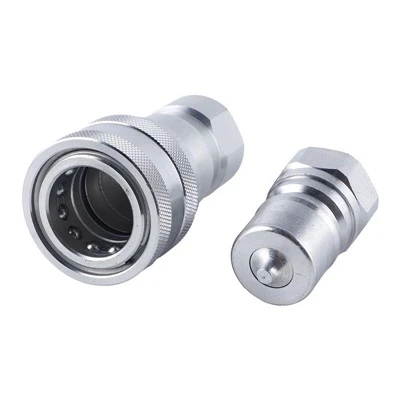
If you’re tired of wasting money on air leaks, or if your team is fed up with the constant hissing and unexpected downtime, reach out to our team. We can chat through your current setup, answer any questions, and help you find the right solutions to stop leaks for good. No pressure, just real advice from people who’ve been in your shoes working with pneumatic setups every day.
Nitto Style Hydraulic Quick Couplings References:
- Compressed Air Challenge. (2021). Best Practices for Reducing Leaks in Compressed Air Systems.
- Pneumatic Engineering Society. (2022). Maintenance Guidelines for Quick Coupling Assemblies.
- Industrial Machinery Maintenance Journal. (2023). Energy Loss Due to Pneumatic Leaks in Small to Medium Manufacturing Facilities.
Cixi Poolke Hydraulic Pneumatic Co., Ltd.
Cixi Poolke Hydraulic Pneumatic Co., Ltd. is one of the most professional pneumatic quick couplings manufacturers and suppliers in China, also supports customized service. Please feel free to wholesale the newest pneumatic quick couplings made in China here from our factory. Quality products and reasonable price are available.
Address: #88 Zhengtong Road, Kandun Industrial Park315303, Cixi, Zhejiang, China
E-mail: contact@poolke.com
WebSite: https://www.poolkecouplings.com/
