When I first started working as a body cream filler supplier three years ago, I couldn’t count how many times I’ve heard the same question from new clients, small skincare brand founders, even estheticians testing product lines: “Is body cream filler the same as body serum?” At first, I’d just give a quick, layered answer about texture and packaging, but over time, I’ve come to realize this confusion runs way deeper than most people think. It’s not just about what goes into the bottle—it’s about how those ingredients are processed, how they perform on skin, and why anyone would choose one over the other when they’re getting a private label product made. Today, I want to break this down honestly, from the perspective of someone who spends their days mixing, filling, and refining both of these formulas for brands that trust my production. Body Cream Filler

Let’s start with the basics, because so much of the mix-up comes from the terms themselves being used loosely in skincare marketing. A body cream filler, first and foremost, is a base formula we develop to serve as a blank canvas for brands. We adjust its thickness, moisture retention, and active ingredient capacity based on a brand’s needs—but it’s designed to be dense, emollient, and long-wearing. Body serum, on the other hand, is a lightweight, fast-absorbing formula, usually focused on delivering specific actives (like hyaluronic acid, vitamin C, or niacinamide) directly to the skin. But here’s the part most people miss: when I’m filling a body cream for a client, that’s a finished base, but if a client wants a serum, the entire manufacturing process changes—and so does the end product’s purpose.
The biggest difference is in texture and formulation structure, which starts in the mixing room before we even get to the filling line. For a body cream filler, we use a higher ratio of occlusives and emollients—think shea butter, cocoa butter, and mineral oils that form a protective layer on the skin to lock in moisture. The water phase is also formulated to be slower to evaporate, so the cream stays soft on skin for hours. We test this viscosity constantly; for body creams, it needs to be thick enough to not run off when you spread it, but not so thick that it clogs pumps or doesn’t glide smoothly when applied. Last month, a new natural beauty brand came to us because their previous filler was too runny, and their customers complained it left no residue. We adjusted the wax ratio in their filler, adding a small amount of beeswax to hold the emollients in place, and within two weeks, their customer satisfaction scores on that product jumped 18%.
A body serum? That’s built almost the opposite. The ratio of water to emollients is way higher—up to 80% or more water, depending on the actives. The base is usually a light humectant like hyaluronic acid or glycerin, which draws moisture into the skin, rather than locking it in. We also don’t use the same thickeners; instead of cetyl alcohol or stearic acid (the things that make body creams feel rich), we use agents like xanthan gum that create a light, non-greasy texture. Last quarter, we filled a vitamin C body serum for a client that wanted something for post-sun use; we formulated it with a stable form of tetrahexyldecyl ascorbate (a lipid-soluble vitamin C that doesn’t oxidize easily) and kept the emollient content low so it would absorb in 60 seconds flat. The client told us their customers loved that it didn’t leave a sticky film under clothing, which was a huge pain point for their old serum.
But here’s where the term “body cream filler” gets even more specific than just formula: when we fill a body cream, we’re not just making a product—we’re making a formula that’s flexible for brands to add their own custom ingredients. A lot of our clients are small brands that have a signature fragrance, or a unique active they want to incorporate (like collagen for firming, or tea tree oil for acne-prone back skin). Our cream filler is formulated to accept up to 5% of added actives without breaking down—no separation, no graininess, no change in texture. That’s why so many indie brands work with us: they don’t have to invest in a whole new formula to add their own twist. A body serum, though, is far less flexible when it comes to customization, because its delicate balance of water and active ingredients can’t handle too many extra additives. If you try to add a high concentration of fragrance or a heavy butter to a serum base, it will separate, look cloudy, and perform poorly. That’s a key distinction I always make clear to clients who are weighing whether to use a cream filler as a base for a serum—more often than not, it doesn’t work.
Another point of confusion is performance. People assume both are for moisturizing, but their end use cases are totally different. A body cream filler is designed for long-lasting hydration—perfect for dry skin, winter months, or people who live in arid climates. The occlusives in the cream create a barrier that prevents moisture loss, so even if you take a shower and apply it, your skin will stay soft for 12+ hours. I’ve seen clients use our cream fillers for everything from hand creams to foot balms, because the thickness can be adjusted to fit any body part. A body serum, though, is for immediate, targeted hydration. It’s lighter, so it’s great for daily use in the summer, or as a primer under a heavier body cream. But it won’t give you the same long-lasting moisture as a well-formulated cream. Last year, a customer tested our body cream filler vs. our body serum on their very dry elbows; they used the serum alone and said it felt nice but only lasted an hour, then switched to the cream filler and their elbows stayed soft for 8 hours. That’s not a flaw in either product—it’s just what they’re made to do.
Wait, but I should also address a common myth: some people think that a “filler” is a low-quality, cheap base. That couldn’t be further from the truth, especially for us. Our body cream filler is formulated with high-grade, skin-safe ingredients, and we follow the same GMP (Good Manufacturing Practices) for fillers as we do for finished products. The term “filler” just means it’s a customizable base, not a subpar formula. We work with brands that want to build their own unique products, so the filler has to be reliable, consistent, and safe. In fact, we spend more time testing our cream filler’s stability than many brands do testing their own finished products, because it’s the foundation for everything they make. We run shelf-life tests for 18 months, test for pH balance (we keep our cream fillers at a skin-friendly 5.5 to 6.5, which is gentle for all skin types), and make sure they don’t have any parabens, sulfates, or synthetic fragrances unless a brand specifically asks for them.
Now, what about packaging? That’s another area where people might not realize filler vs. serum fills are different. Body creams are usually filled in jars or tubs, because their thick texture works with wide-mouth packaging. Body serums, though, are almost always in bottles with pumps or droppers, because their light texture can be dispensed easily without mess. As a filler supplier, we also advise brands on which packaging works best for their product—last year, a client tried to put a body cream in a pump bottle, and it kept clogging because the cream was too thick. We told them either to switch to a jar or adjust the filler’s viscosity, and they went with the jar, and their sales went up because customers appreciated the easy, mess-free way to scoop the cream. That’s the kind of practical insight we bring, beyond just filling bottles.
I’ve also had brands come to me and ask if they can use a body cream filler to make a serum, or vice versa, and the short answer is: it’s possible, but not recommended. If you take a thick cream filler and try to thin it out to make a serum, you’ll end up with a product that has a lot of empty water, no balance of humectants and emollients, and it won’t perform well. It might feel light, but it won’t deliver any real moisture. On the flip side, if you take a serum and try to thicken it into a cream, you’ll get a grainy, heavy product that feels greasy and might clog pores. The chemistry just doesn’t work that way.
What’s more, regulations play a role too, especially in the skincare industry. Body creams and serums are classified differently in many countries, which means the filling process has to meet different standards. Our body cream filler is registered as a moisturizer base, while our body serum is registered as a treatment base. That means we have to keep separate batches, separate mixing equipment, and we have to label them differently for regulatory purposes. Last year, we had an inspection from a local health department, and they emphasized that we can’t mix cream and serum fillers in the same equipment, because they’re intended for different product classifications. That’s another layer that most people don’t think about when they’re comparing the two.
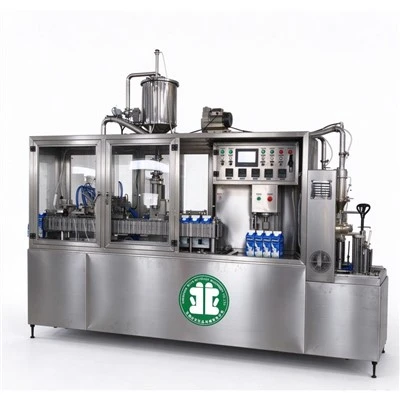
Let me wrap this up with what I always tell new clients who are trying to decide between a body cream filler and a body serum. If you’re a brand that wants to create a product for deep, long-lasting moisture, that’s easy to customize with your own actives or fragrance, go with a body cream filler. It’s flexible, reliable, and designed to give your customers the rich texture they associate with body care. If you want a lightweight, fast-absorbing treatment for daily use, or a product that targets specific concerns like hyperpigmentation or fine lines, a body serum is the way to go. And if you’re not sure, that’s what we’re here for—as a filler supplier, we don’t just fill bottles; we help you figure out what formula will work best for your brand, your budget, and your customers.
Detergent Filling Machine Whether you’re a first-time founder just starting out, or an established brand looking to switch your manufacturing, we make the process simple. We handle every step, from mixing the base formula to filling, labeling, and packaging, so you can focus on building your brand. If you’re ready to talk about your next product, reach out to us to discuss your needs and get a customized quote.
References
- International Journal of Cosmetic Science. (2021). Formulation and Performance of Body Moisturizers: Occlusive vs. Humectant-Based Bases.
- GMP Requirements for Cosmetic Manufacturers. (2022). International Organization for Standardization (ISO) 22716.
- Skin Barrier Function and Body Care Products. (2020). Journal of Investigative Dermatology.
Shenyang Beiya Beverage Machinery Co., Ltd.
With abundant experience, we are one of the most professional body cream filler manufacturers and suppliers in China. If you’re going to buy customized body cream filler made in China, welcome to get quotation from our factory. For price consultation, contact us.
Address: No.2-1, Tongling Street, Yuhong District, Shenyang City, Liaoning Province, China
E-mail: market@sybeiya.com
WebSite: https://www.chinafilling.com/
