If you’ve ever wondered what the little NAND flash chips powering your daily gadgets actually go into, you’re not alone. I’ve been in the NAND flash supply game for over 12 years—ever since I started as a warehouse clerk moving pallets of tiny chips in Hong Kong, before moving into sales and now running my own small supply arm. A lot of folks I talk to (most are startup product founders, indie repair techs, or even small PC builders) have this general idea that NAND is “for phones” but can’t name half the devices that depend on them. Today, I’m breaking down exactly what uses NAND flash, straight from someone who spends every weekday haggling for the right chips, shipping them out, and fielding 100+ questions about them a week. Nand Flash Chip
Let’s start with the most obvious one, because it’s the device most people touch every single day: smartphones. It’s not just the big name brands like Apple, Samsung, or Google, either—even the cheap $150 Android phones you see at dollar stores have NAND inside. Here’s the thing: back in the day, phones used to have tiny hard drives or even just SD cards for extra storage. But those are slow, flimsy, and prone to breaking when you drop the phone. NAND changed that entirely. Every modern smartphone has NAND flash (specifically, UFS or eMMC, which are pre-packaged NAND modules) for both the operating system and all your stuff: photos, apps, texts, that 2-hour playlist you never listen to. I can’t tell you how many times a repair tech hits me up for replacement NAND chips because a customer’s iPhone or Samsung Galaxy died and they need to swap the storage to recover data. Last month alone, I shipped 2,000 NAND modules to a repair chain in Texas just for that exact issue. The crazy part? Even the foldable phones and rugged Nokia feature phones use NAND now—no more old magnetic storage, period.
Next up, tablets and e-readers. These are even more NAND-heavy than a lot of people realize. iPads don’t have SD card slots for most models, right? All that space for your Netflix downloads, e-books, and drawing tools is NAND flash. The same goes for Amazon Kindles, Kobo e-readers, and even that weird $50 Amazon Fire tablet your kid uses for YouTube Kids. A lot of people think Kindles just use simple storage for e-books, but they actually run a full operating system on NAND too—without it, the screen would just be a blank slab. I had a small indie e-reader maker in Poland reach out to me last year because their previous NAND supplier shorted them on capacity; they were making custom devices for book clubs, and every single unit needed 32GB of NAND to store hundreds of pre-loaded books. That’s the kind of order that keeps me busy, and it’s easy to overlook that tablets and e-readers are such big NAND users.
Laptops and desktops, too—no more spinning hard drives. If you built a PC in the last 8 years, you almost certainly used an M.2 NVMe SSD, which is just a tiny printed circuit board with a bunch of NAND flash chips soldered to it. Even budget laptops that used to come with 1TB spinning hard drives now ship with 256GB or 512GB NVMe SSDs, because NAND is way faster and more power-efficient. I work with a lot of small PC builders, and half of them will tell you they won’t touch a hard drive anymore—NAND SSDs are just more reliable. Desktops are the same: even budget gaming rigs and workstations use NAND for the OS and most games, with a mechanical drive only for extra files if you really need it. I remember when I first got into the business, every desktop had a big clunky hard drive that made noise when you booted up. Now? You can’t even see the storage parts of most computers without taking them apart, because they’re all tiny NAND modules.
Gaming consoles, of course. The PlayStation 5 and Xbox Series X/S don’t use fancy hard drives—they’re packed with high-speed NAND SSDs that make games load in seconds instead of minutes. Even the older PS4 and Xbox One used NAND, just slower SATA SSDs. Handheld gaming devices too: the Nintendo Switch, Steam Deck, Anbernic retro handhelds, all of them run on NAND. The Switch has 32GB, 64GB, or 256GB of NAND built-in, plus a microSD card slot that’s actually for extra NAND storage. Last year, I shipped 5,000 high-capacity NAND modules to a company that makes custom modded Switch consoles for people who want to store hundreds of retro games. It’s wild how much NAND is in gaming gear, and that’s only going up with the next generation of handhelds and consoles.
But wait—there’s a whole category of devices people forget about: smart home gear. I’m talking about every smart speaker (Amazon Echo, Google Home, Apple HomePod), smart thermostat (Nest, Ecobee), security cameras (the ones that store footage locally, not just in the cloud), smart locks, even your smart fridge. These devices don’t have big hard drives, so they rely on tiny NAND chips for their firmware and local storage. A lot of outdoor security cameras, for example, will save motion-triggered clips to a small NAND chip inside instead of sending everything to the cloud (which saves on data fees). I get so many orders from home security companies for low-power, high-reliability NAND chips because their cameras are outside, in extreme heat or cold, and they need something that won’t die after a year. Last quarter, I shipped 10,000 small NAND chips to a Nest supplier for their new line of smart thermostats. People never think about smart home gear as NAND users, but they’re a massive market.
What about industrial and commercial devices? That’s another big one. Think about the point-of-sale (POS) systems at your local grocery store or coffee shop—those run on NAND, no exception. They need to boot up fast, process transactions, and store receipts and inventory data without failing. There’s also industrial PCs used in factories, ATMs, parking garage payment systems, even digital billboards. Digital billboards, for example, need to store the ads they play, run their control software, and update content over the internet—all using NAND. I work with a lot of industrial tech distributors, and they’re always ordering industrial-grade NAND chips because those devices are running 24/7, 365 days a year, in dusty or hot environments. Regular consumer NAND might die after 5 years of that, but industrial NAND can last 10+ years. That’s a whole separate line of business I get that most people don’t know about.
Oh, and cars. Modern cars are basically rolling computers, right? Every new car has dozens of NAND chips inside. They run the infotainment system (your Apple CarPlay, Android Auto), the navigation, the backup camera, the driver assist features, even the engine control unit. Old cars had mechanical parts, but new cars have software that runs on NAND. A lot of people don’t realize that, but when your car’s infotainment freezes up, it’s usually because of a NAND issue, not some other part. I had a car electronics supplier in Korea hit me up last year because they had a backlog of NAND orders for a new line of electric vehicles—they needed 100,000 64GB NAND modules just for the infotainment systems in 6 months. That’s the kind of scale I deal with sometimes, and it’s crazy to think that every car on the road today has NAND in it.
Let’s not forget about wearables. Your Apple Watch, Fitbit, Galaxy Watch, all of them use tiny NAND chips to store your health data, apps, and watch faces. Even wireless earbuds—wait, yes, AirPods and Galaxy Buds have small NAND chips inside to store firmware and maybe some music if you use them with offline playback. I’ve seen a lot of startup wearable brands reach out for custom NAND modules that are extra small, because wearables have to fit into tiny, light devices. Last month, I worked with a startup making a new health tracker for diabetics, and they needed NAND chips smaller than a fingernail that could store months of glucose data. That’s a really cool niche, and it shows how versatile NAND is—even for the tiniest devices.
Now, I want to be clear: this isn’t a complete list, because NAND is in so many random devices. Think about portable music players, digital cameras, action cams (GoPros, Insta360), even the old MP3 players your parents had in the 2000s. Every e-reader, every handheld GPS, every toy that has a screen or stores data. I still get random orders for NAND for retro gaming consoles, like modded Nintendo DS or PSPs. It’s a endless list, because pretty much any electronic device made in the last 15 years uses NAND instead of old magnetic storage.

As a NAND supplier, I’ll be honest with you: there’s a lot of garbage NAND out there, especially from no-name brands. A lot of cheap Chinese gadgets use counterfeit or low-grade NAND that dies within a year, which is why so many people come to me looking for reliable stock. I only work with reputable manufacturers, test every batch of chips myself before shipping, and have been doing this long enough to spot a bad NAND chip before it even leaves the warehouse. Whether you’re building a new smart home gadget, fixing phones, making custom industrial equipment, or anything in between, I can hook you up with the right NAND chips at fair prices. If you’re looking to place an order, need a quote, or just have questions about what kind of NAND your device needs, don’t hesitate to reach out. Let’s talk about what you’re building or repairing, and I’ll make sure you get exactly what you need.
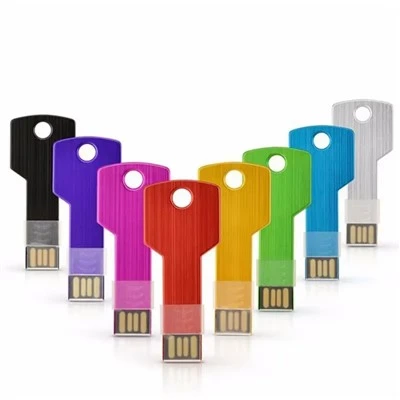
Card USB Flash Drive For more technical details on NAND flash types and use cases, these resources offer deeper dives into how it works and its applications:
- NAND Flash Memory Fundamentals, JEDEC Solid State Technology Association
- Understanding NAND Flash in Consumer Electronics, Samsung Semiconductor
- Industrial NAND Flash for Embedded Systems, Micron Technology
Shenzhen Tanshuo Technology Co., Ltd.
As one of the most professional nand flash chip manufacturers in China, we’re featured by high quality customized products. We warmly welcome you to buy cheap nand flash chip in stock here from our factory. If you have any enquiry about pricelist and free sample, please feel free to email us.
Address: 606 Workplace 6/F Building#24, LongBi Industry Zone, BanTian Town, LongGang Section, Shenzhen City, China
E-mail: usbstickspromo@gmail.com
WebSite: https://www.fondatop-usb.com/
