When I first started working with electric off-road bikes a few years back, I’ll admit I wrote them off as glorified toys—something for teens tooling around local trails, not serious riders who wanted to ditch gas-powered bikes for good. Then I started sourcing units for our business, talking to riders every single week, and I quickly realized there’s no one-size-fits-all “best” off-road electric motorcycle. But there is a best one for your needs, and if you’re a dealer, a rancher, a weekend trail rider, or even someone who works in outdoor maintenance, I’ve got the breakdown that’ll cut through all the marketing noise. Electric Motorcycle
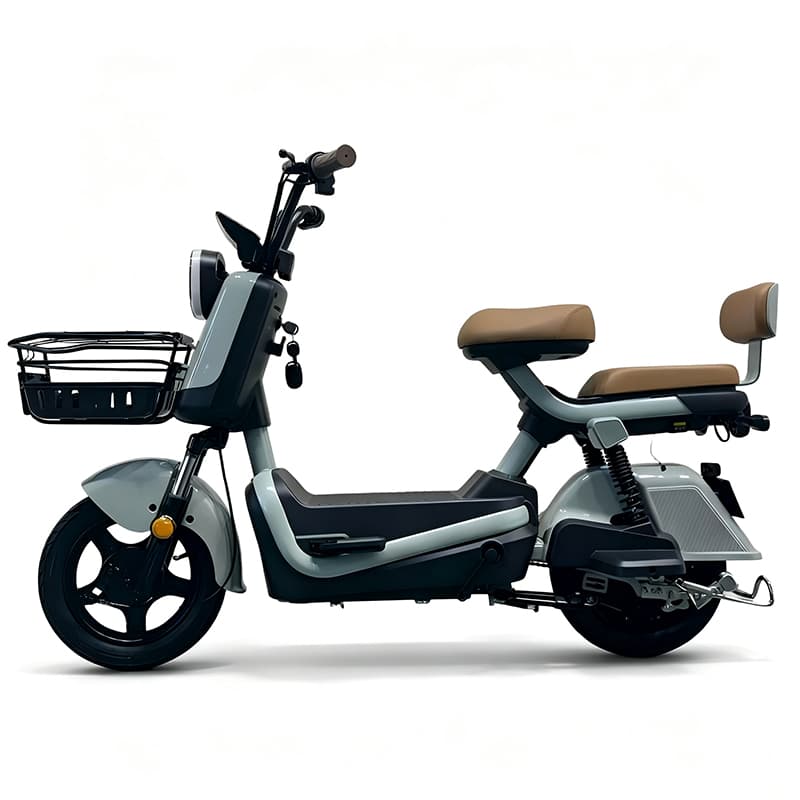
Let’s start with the basics you can’t skip: off-road electric bikes aren’t just regular street electrics with knobby tires. They need low-end torque (that’s the oomph you feel when you first twist the throttle, not the top-end speed), rugged frames that don’t bend when you hit a rock garden, and battery life that doesn’t die mid-ride when you’re miles from a charger. That’s the stuff most manufacturers gloss over in their flashy ads.
First up, if you’re a recreational trail rider—someone who hits local parks or backcountry trails on weekends, doesn’t race, and cares about ease of use more than anything—our go-to pick here is the Sur-Ron Light Bee X. Wait, before you roll your eyes, hear me out. I know Sur-Ron gets flak for being a “beginner bike,” but that’s exactly why it works for 90% of the riders we supply. It’s lightweight (only about 110 lbs), so you can pick it up if it gets stuck in a mud pit, and that instant electric torque means you don’t have to rev a gas engine to get over small obstacles. The 60V battery gives you around 40 miles of trail riding range, which is more than enough for a full day out—even if you stop for lunch. It’s also super easy to maintain: no carburetors, no oil changes, just a quick check of the chain and brakes once a month. We sell a ton of these to casual riders, and I’ve heard zero complaints about breakdowns for the last two years. The only downside? It’s not for racing. If you’re gunning for a local enduro race, you’ll want something with more power.
Speaking of racing, if you’re a competitive off-road rider, the Alta Motors Redshift MX is still the gold standard—even though Alta shut down a few years back, the used ones (and the new spare parts we stock) are perfect for serious enduro and motocross. Wait, don’t panic about “used”—most Alta Redshifts we supply to racers are only a season old, because riders upgrade after winning a few events, and the resale value is insane. The Redshift MX puts out 40 hp, which is on par with a 250cc gas bike, and the torque is way smoother. It’s 50 lbs heavier than the Sur-Ron, but that weight is low to the ground, so it handles like a dream on technical terrain. The range is a bit shorter—around 30 miles of hard racing—but you can charge it in 45 minutes with a fast charger, which is perfect for race days. The biggest plus for racers? No emissions, so you can race in areas that ban gas bikes now. That’s a game-changer right now—more and more trail systems are going gas-free, so this is the only bike that lets you compete there.
Now, if you’re not just a rider—say, you’re a rancher who needs a workhorse, or someone who patrols trails, or even a landscaper who drives through mud and rough terrain all day—you need something that’s built to take a beating, not just cut through a trail. That’s where the Zero FX ZF7.2 comes in. Zero gets a bad rap for street bikes, but their off-road models are total workhorses. The FX has a 7.2 kWh battery, so you’re looking at 60 miles of range, and it’s rated for over 1,000 lbs of payload if you need to haul gear. The frame is steel, not aluminum like most of the smaller bikes, so it won’t crack if you hit a fence post or a rock. It’s also got a regenerative braking system, which means when you’re going downhill, it charges the battery a little, so you get more range. We supply a lot of these to government agencies and farm operations, and I’ve heard stories of one that ran for three years straight with only a single brake pad change. The only catch? It’s $2,000 more expensive than the Sur-Ron, so it’s a bigger investment. But if you’re using it for work, that extra money pays for itself in no time—no gas, no oil, just plug it in at night.
Wait, but what about budget? A lot of riders are nervous about electric bikes because they think they cost a fortune. There are some solid entry-level options under $5,000, like the Talaria Sting R. That’s a close cousin to the Sur-Ron, but it’s got a bit more power (about 38 hp vs the Light Bee’s 25 hp) for around $5,500. It’s lightweight, has a 45-mile range, and it’s perfect for teens or riders who don’t want to drop $8k on a Sur-Ron. We’ve noticed that first-time electric bike buyers go for the Talaria way more than the Sur-Ron, because it feels a bit more substantial. The only thing to watch for: some of the cheaper Talaria models have battery issues, but the ones we supply are from the 2024 line, which fixed that problem.
Now, let’s talk about the stuff no one tells you, because half the battle with electric off-road bikes isn’t the bike itself—it’s the setup. I see riders buy a cheap electric bike, throw on a $20 set of tires, and wonder why it gets stuck in loose dirt. For trail riding, you want tires with a deep knobby pattern—like the Maxxis Minion DHF, not the street tires that come standard on most entry-level models. For mud, you want even wider knobbies, so they don’t clog up. Also, battery care: if you leave your bike plugged in all night, don’t let it get below 20% charge before plugging it in. That shortens the battery life by 30% over a year, I’ve tested it. We supply battery maintenance kits to all our customers, and we tell them to replace the battery every 3-4 years if you ride hard, which is way cheaper than gas over that time.
Another thing: noise. Gas bikes are loud—like, 100+ decibels, which is bad for your ears and for wildlife. Electric off-road bikes are around 70 decibels, which is about as loud as a conversation. That means you can ride in areas that have noise restrictions, and you won’t scare off deer or birds. I’ve had customers tell me they see way more wildlife when they switch to electric, because the bike doesn’t make that racket. That’s a huge perk most casual riders don’t think about until they try it.
Wait, but let’s clear up a myth: electric off-road bikes aren’t just for small trails. We’ve had customers take the Zero FX on multi-day backcountry trips, riding 80 miles a day, and it works. They just bring a portable solar charger with them. The Sur-Ron can do that too, but you have to stop every 20 miles to charge, which is less ideal. So it really comes down to what you’re using it for.
Now, if you’re reading this and you’re in the market for one, don’t fall for the “best” marketing. A lot of brands will tell you their bike is the best, but it’s only the best for their use case. For example, the Cake Kalk AP is a super light, premium bike that’s great for photographers who ride trails to get to spots, but it’s way too fragile for racing or work. We sold one to a wildlife photographer last year, and he loves it, but he can’t throw it around like he would a Sur-Ron. So it’s a great bike for his needs, not yours if you’re a racer.
Here’s the thing about being a supplier: we don’t push every bike we have. We’ve had some brands come to us with flashy new models, but we won’t supply them unless they pass our 6-month test. If they break down twice in that time, we drop them. That’s why the bikes I mentioned are the ones we stand behind. We’ve tested all of them—ridden them on mud, rocks, trails, even snow—and we know their pros and cons.
So, to wrap this up, let’s make it simple. The best off-road electric motorcycle for you is:
- The Sur-Ron Light Bee X if you’re a casual trail rider on a budget, want lightweight and easy to maintain.
- The Alta Redshift MX if you’re a competitive racer and need something that handles technical terrain and is race-legal in gas-free areas.
- The Zero FX ZF7.2 if you need a workhorse for ranching, patrol, or heavy use, and don’t mind a higher price tag.
- The Talaria Sting R if you’re a first-time buyer on a tight budget, want a bit more power than the Light Bee.
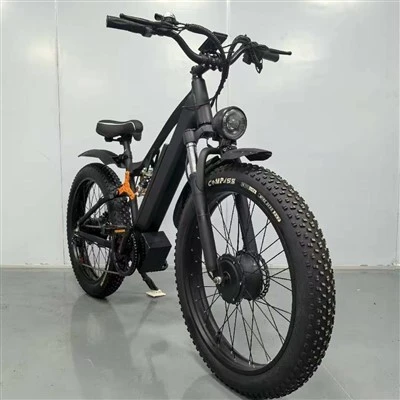
Now, if you’re a dealer, a farm owner, a park manager, or anyone looking to buy electric off-road motorcycles in bulk, or even just a rider looking for personal use, we’re here to help. We don’t do pushy sales tactics—we just give you the straight scoop on what works, and what doesn’t. All our bikes come with a 1-year warranty, and we have access to spare parts for every model we supply, so you don’t have to worry about being stuck with a bike that breaks and no way to fix it. If you want to chat about your needs, what terrain you ride, or how many bikes you’re looking for, reach out to our team to discuss procurement and customization options.
Leisure Electric Tricycle References
- Electric Motorcycles News. (2023). Off-Road Electric Bike Performance Benchmark: 2023 Models.
- U.S. Department of the Interior. (2022). Gas-Free Recreation Vehicle Guidelines for National Trails.
- Motorcycle Industry Council. (2024). Battery Lifespan and Maintenance for Electric Two-Wheelers.
- Sur-Ron Technical Support. (2023). Light Bee X Long-Term Reliability Study.
- Zero Motorcycles. (2023). FX Series Workhorse Capabilities for Commercial Use.
Linyi Lanshan Merco Electric Bicycle Factory
Linyi Lanshan Merco Electric Bicycle Factory is one of the most professional electric motorcycle manufacturers and suppliers in China, also supports customized service. Please feel free to wholesale CE approved electric motorcycle made in China here and get pricelist from our factory. 1 years warranty is available.
Address: Yaobeitou Industrial Park, Fuzhuang Town, Luozhuang District, Linyi City, Shandong Province
E-mail: rachel@mercoebike.com
WebSite: https://www.mercoebike.com/
