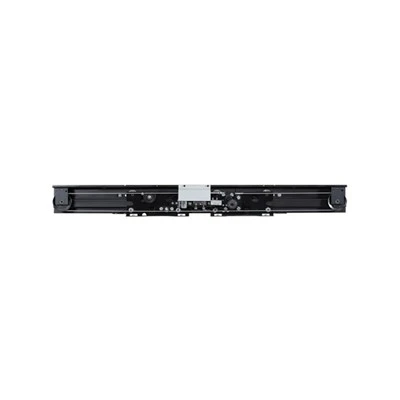
Elevator door systems are critical components in any building with elevators, ensuring the safety and smooth operation of vertical transportation. As a supplier of elevator door systems, I understand the significance of regular inspections to maintain optimal performance and minimize risks. In this blog post, I will delve into how often elevator door systems should be inspected and why these inspections are crucial. Elevator Door System
The Importance of Regular Inspections
Before discussing the inspection frequency, it’s essential to understand why regular inspections of elevator door systems are necessary. Firstly, safety is the primary concern. Elevator doors open and close thousands of times a day, and any malfunction can pose a serious threat to passengers. For example, a door that fails to close properly can lead to passengers being trapped between floors or even falling into the elevator shaft. Regular inspections can detect potential safety hazards such as worn – out components, loose connections, or faulty sensors before they cause an accident.
Secondly, regular inspections help maintain the efficiency of the elevator system. A well – maintained door system ensures that the elevator can operate smoothly and quickly, reducing waiting times for passengers. This is especially important in high – traffic buildings such as commercial complexes, hospitals, and residential towers.
Finally, inspections can extend the lifespan of the elevator door system. By identifying and addressing minor issues early, we can prevent them from developing into major problems that require costly repairs or replacements.
Factors Affecting Inspection Frequency
The frequency of elevator door system inspections is not a one – size – fits – all answer. Several factors need to be considered when determining how often an inspection should be carried out:
1. Building Type and Usage
The type of building where the elevator is installed plays a significant role in determining inspection frequency. In high – traffic commercial buildings like office towers and shopping malls, elevators are used much more frequently than in low – occupancy residential buildings. For example, an office building with a large number of employees may have elevators in constant use during peak hours. In such cases, more frequent inspections are required to ensure the door systems can withstand the heavy usage. On the other hand, a small residential building with a few families may not need inspections as often.
2. Elevator Age
Older elevators are more likely to experience mechanical and electrical issues compared to newer ones. As elevator door systems age, components such as door panels, rollers, and motors wear out. Therefore, older elevators generally require more frequent inspections. For instance, an elevator that has been in operation for over 15 years may need to be inspected every three to six months, while a brand – new elevator may only need an annual inspection.
3. Environmental Conditions
The environment in which the elevator operates can also affect the inspection frequency. Elevators in harsh environments, such as industrial facilities with high levels of dust, moisture, or chemicals, are more prone to damage. For example, in a manufacturing plant where there is a lot of dust, the dust can accumulate in the door tracks and sensors, causing the doors to malfunction. In such cases, more frequent inspections are necessary to clean and maintain the door system.
Recommended Inspection Frequencies
Based on industry standards and best practices, here are some general guidelines for elevator door system inspections:
1. New Elevators (Less than 5 years old)
For newly installed elevator door systems, an initial commissioning inspection is carried out to ensure that the system is installed correctly and meets all safety standards. After that, a comprehensive inspection should be conducted at least once a year. This annual inspection should include a thorough check of all mechanical and electrical components, such as door panels, locks, sensors, and control systems.
2. Mid – aged Elevators (5 – 15 years old)
As elevators enter the mid – range of their lifespan, the inspection frequency should be increased. It is recommended to conduct a detailed inspection every six months. During these inspections, in addition to checking the basic components, more attention should be paid to signs of wear and tear, such as the condition of the door seals, the alignment of the door tracks, and the performance of the door operators.
3. Older Elevators (Over 15 years old)
Older elevator door systems require the most frequent inspections. A comprehensive inspection every three months is advisable. These frequent inspections can help detect and address potential issues promptly, reducing the risk of breakdowns and ensuring the continued safety of passengers. In addition to the regular checks, more in – depth testing of the safety features, such as the door interlocks and emergency stop mechanisms, should be carried out.
The Inspection Process
A typical elevator door system inspection involves several steps:
1. Visual Inspection
The inspector starts with a visual examination of the door system. This includes checking the condition of the door panels for any signs of damage, such as dents or scratches. The door tracks are also inspected for debris, rust, or misalignment. All electrical connections and wiring are visually inspected to ensure there are no loose connections or signs of fraying.
2. Functional Testing
The next step is to test the functionality of the door system. The inspector will operate the doors manually and automatically to check for smooth opening and closing. They will also test the safety features, such as the door sensors that detect obstructions. If the sensors are not working properly, the doors may not stop when an object is in the way, which is a serious safety hazard.
3. Component Inspection
Each component of the door system is inspected closely. This includes checking the door operators, which are responsible for opening and closing the doors. The condition of the rollers, bearings, and hinges is also examined to ensure they are in good working order. Any worn – out components should be replaced immediately to prevent further damage to the system.
4. Performance Evaluation
Finally, the overall performance of the door system is evaluated. This may involve measuring the speed of the door opening and closing, the force exerted by the doors during operation, and the accuracy of the door leveling. If the performance parameters deviate from the specified standards, adjustments or repairs may be required.
Conclusion
In conclusion, regular inspections of elevator door systems are essential for ensuring safety, efficiency, and longevity. The frequency of inspections depends on various factors such as building type, elevator age, and environmental conditions. By following the recommended inspection frequencies and conducting thorough inspections, building owners and facility managers can minimize the risks associated with elevator door system malfunctions.
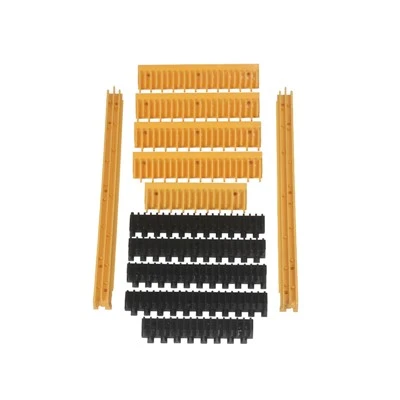
Elevator Safety System As a supplier of high – quality elevator door systems, I understand the importance of proper maintenance and inspection. Our products are designed to meet the highest safety and performance standards, and we can provide you with valuable advice on inspection schedules and best practices. If you are in the process of purchasing an elevator door system or need assistance with maintenance and inspections, I encourage you to contact us for a consultation. We are committed to providing you with the best solutions for your elevator needs.
References
- ASME A17.1/CSA B44 Safety Code for Elevators and Escalators
- National Fire Protection Association (NFPA) Codes and Standards
- Elevator Industry Field Service Association (EIFSA) Guidelines
Huzhou Kenai Elevator Technology Co., Ltd.
As one of the most professional elevator door system manufacturers and suppliers in China, we also support custom service. We warmly welcome you to wholesale advanced elevator door system made in China here from our factory. For more cheap products, contact us now.
Address: No. 6666, Qianghua West Road, Dongqian Street, Nanxun District, Huzhou City, Zhejiang Province, China
E-mail: info@kenailift.com
WebSite: https://www.kenaielevator.com/
