Hey there! As a PERT fittings supplier, I often get asked if PERT (Polyethylene Raised Temperature) fittings can be used in rainwater harvesting systems. Well, let’s dive into this topic and find out. PERT Fittings
First off, let’s understand what rainwater harvesting is all about. Rainwater harvesting is the collection and storage of rainwater for later use. It’s a super eco – friendly way to conserve water, and it can be used for various purposes like watering your garden, flushing toilets, or even doing laundry. A well – designed rainwater harvesting system typically consists of a collection surface (like a roof), gutters to channel the water, a storage tank, and a distribution system to get the water where it’s needed.
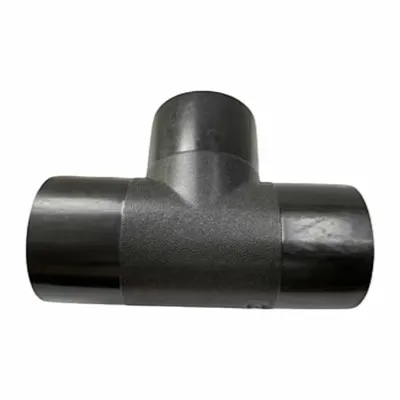
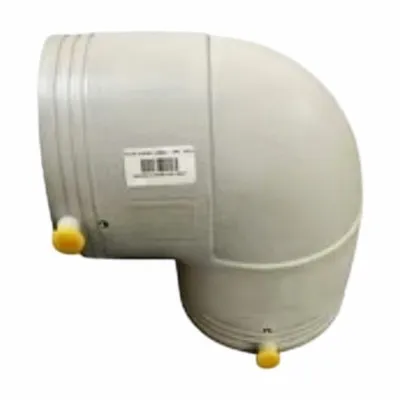
Now, let’s talk about PERT fittings. PERT pipes and fittings are made from a type of polyethylene that can handle higher temperatures compared to regular polyethylene. They’re known for being flexible, durable, and easy to install. These fittings come in all sorts of shapes and sizes, like elbows, tees, and couplings, which makes them very versatile for different plumbing setups.
So, can PERT fittings work in rainwater harvesting systems? The answer is a big yes! Here are some reasons why:
Durability
Rainwater can be stored for long periods, and the fittings in the system need to be able to withstand this. PERT fittings are highly resistant to corrosion. Unlike metal fittings that can rust over time, PERT won’t corrode when in contact with rainwater. This means that once you install PERT fittings in your rainwater harvesting system, you don’t have to worry about them getting damaged due to the water’s natural acidity or other elements in the rain.
Flexibility
When setting up a rainwater harvesting system, you might have to work around obstacles like walls, trees, or other structures in your yard. PERT pipes and fittings are flexible, which makes it easy to bend and shape them to fit your specific installation needs. You can create custom – made layouts without having to use a whole bunch of extra connectors or joints, reducing the chances of leaks.
Easy Installation
Installing a rainwater harvesting system can be a DIY project for many homeowners. PERT fittings are a great choice because they’re easy to install. You don’t need any special tools or skills. Most PERT fittings use a push – fit or compression connection method, which means you can simply push the pipes into the fittings or use a compression tool to secure them. This saves you time and money on installation costs.
Cost – Effectiveness
Compared to some other types of fittings, PERT fittings are relatively inexpensive. When you’re building a rainwater harvesting system, cost can be a major factor. Using PERT fittings allows you to get a high – quality system without breaking the bank. You can invest the money you save on other parts of the system, like a larger storage tank or a more efficient filtration system.
Compatibility with Rainwater
Rainwater is generally clean, but it can contain some debris, dust, and microorganisms. PERT is a non – toxic material, so it won’t contaminate the rainwater. It also doesn’t react with the natural substances in the rain, ensuring that the water remains safe for its intended uses, whether it’s for your garden or household chores.
However, there are a few things to consider when using PERT fittings in rainwater harvesting systems:
UV Resistance
If your rainwater harvesting system is installed outdoors, the PERT pipes and fittings will be exposed to sunlight. Over time, UV rays can degrade the material, making it brittle. To prevent this, you can use PERT pipes and fittings that are UV – stabilized. These have additives that protect the material from the harmful effects of the sun.
Temperature Fluctuations
Although PERT can handle higher temperatures than regular polyethylene, extreme cold can still affect its performance. In very cold climates, the pipes may become more rigid and prone to cracking. You’ll need to insulate the pipes and fittings during the winter months to prevent damage.
Pressure Ratings
Make sure to choose PERT fittings with the appropriate pressure ratings for your rainwater harvesting system. If the water pressure in your system is too high, it can cause the fittings to leak or even burst. Check the specifications of the fittings and match them with the expected water pressure in your system.
In conclusion, PERT fittings are a great option for rainwater harvesting systems. They offer durability, flexibility, easy installation, and cost – effectiveness. With a few precautions, you can ensure that your system works well for years to come.
If you’re thinking about setting up a rainwater harvesting system or need to replace the fittings in an existing one, I’d love to help. As a PERT fittings supplier, I have a wide range of products to meet your needs. Whether you’re a homeowner, a contractor, or a business owner, I can provide you with the right PERT fittings for your project. Just reach out to me, and we can start discussing your requirements and finding the best solution for you.
PPR Fittings References:
- "Rainwater Harvesting Manual" by the Water Environment Federation
- "The Handbook of Polyethylene" – Covers technical aspects of PERT polyethylene
- Local plumbing codes and regulations regarding rainwater harvesting systems and fitting materials
Qingdao Polyfusion Machinery Co., Ltd.
As one of the most professional PERT fittings manufacturers and suppliers in China, we have world-leading production equipment and strong manufacturing capabilities. Please feel free to buy bulk high quality PERT fittings from our factory.
Address: Chengyang Industry Zone, Chengyang, Qingdao, Shandong, China
E-mail: export01@qdpolyfusion.com
WebSite: https://www.polyfusionfittings.com/
