Hey everyone, let’s cut to the chase—we’ve all been there: you’re rushing out the door, hands still wet from washing your face, and you grab your foundation, primed to cover that midday redness or under-eye darkness. Wait… did you skip the primer? That’s the question everyone’s been low-key panicking over lately, especially for us folks in face makeup (yeah, that’s me—part of the crew that formulates, tests, and ships the stuff you slather on daily). A lot of people act like primer’s some kind of magic foundation savior, but is it actually mandatory? Let’s break this down, no fancy jargon, just real talk. Face Makeup
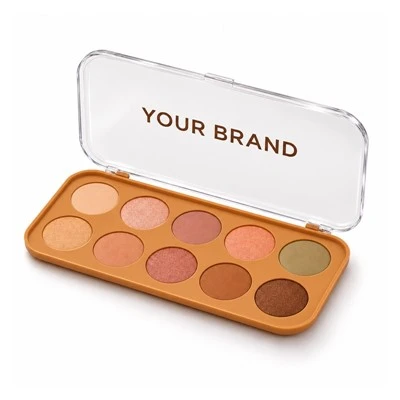
First, let’s get one thing straight: primer’s whole gig is prepping your skin, right? But here’s the tea—some skin types can absolutely rock foundation without it, no issues. Let’s start with the basics of how these products work. Foundation is basically pigment, binders, and sometimes moisturizers or silicones. Primer? It’s usually either silicone-based, water-based, or even powder-based, designed to smooth texture, fill in pores, hold makeup longer, and sometimes blur fine lines. But if your skin’s not super oily, dry, or textured? Let’s say combination skin where your T-zone is neutral, or normal skin that’s not flaky or congested—you can totally skip primer. Wait, but why do so many makeup gurus swear by it? Because they’re working with clients who have problematic skin, or testing products on canvas that needs extra prep. It’s not a universal rule.
I’ve seen this first-hand with our test panels here at the face makeup brand—we do real-world tests, not just lab stuff. A lot of our team members, who have normal skin, go full-no-primer every single day, and their foundation stays put for 8+ hours, no creasing, no pilling. The secret? They prep their skin right—moisturizer tailored to their type, maybe a tiny bit of lip balm if their lips are dry, but skipping the extra layer. For example, one of our senior formulators has combination skin, and she swears on skipping primer for her 9-to-5; she uses our medium-coverage long-wear foundation, and it looks flawless until she takes it off at night. That’s not an anomaly—skin that’s already balanced doesn’t need that extra barrier primer provides.
But hold up, before you toss your primer in the trash (please don’t, some of you actually need it), let’s talk about when foundation without primer goes wrong. If you have oily skin? Skipping primer can lead to that midday shine that makes foundation slide right off. Oily skin produces extra sebum, which breaks down the binders in foundation over time—so you might get that patchy look around your nose or cheeks by lunch. What about dry skin? Skipping primer here can lead to foundation clinging to dry patches, making those flaky spots way more noticeable. I’ve seen so many people with dry skin layer foundation straight onto tight, flaky skin and end up with a cakey mess that looks worse than the redness they were trying to cover. And if you have enlarged pores or textured skin (hello, acne scars or fine lines)? Foundation without primer might settle into those pores, making them look even bigger by the end of the day. It’s not that you can’t wear it, it’s just that it might not look as good as you want it to.
Another thing people don’t talk about: some primers are actually counterproductive for certain foundations. Wait, what? For example, if you’re using a dewy foundation, adding a silicone-based primer (which is also super shiny) might make your skin look greasy instead of glowing. Or if you’re using a matte foundation, a water-based primer that’s too moisturizing can cause pilling—when the products bunch up and roll off your skin like little beads. We’ve tested this a lot at our face makeup company, so we can tell you: the “one primer works for every foundation” myth is just that, a myth.
But let’s circle back to the original question: can you wear foundation without primer? The short answer is yes, absolutely—if your skin type and foundation match up. The key is to adjust your routine instead of just adding extra steps. Let’s give some actionable tips, because that’s what you actually care about. If you’ve got normal skin: moisturize, maybe spritz a tiny bit of facial mist, then apply foundation. That’s it. No primer needed. If you’re oily: skip the thick moisturizer (or use an oil-controlling one) and maybe dab a tiny bit of powder on your T-zone before foundation, instead of a primer. That controls shine without adding an extra layer. If you’re dry: use a super hydrating moisturizer, wait a full minute for it to sink in, then mix a drop of facial oil into your foundation before applying. That prevents dry patches and keeps foundation looking smooth, no primer required. And if you have textured skin? Focus on exfoliating 1-2 times a week so pores aren’t clogged, then apply a thin layer of moisturizer, skip the primer, and use a damp beauty sponge to pat foundation on—blending is way more important here than primer.
Wait, but let’s talk about our products, because that’s why I’m here. At our face makeup brand, we’ve formulated a bunch of foundations that work both with and without primer, because we know not everyone wants to do a 5-step makeup routine. For example, our long-wear matte foundation is designed to stay put for 10 hours without primer, as long as you prep with a good, lightweight moisturizer. We tested it on dozens of people with oily skin, and most of them didn’t experience the sliding we see with other foundations that only work with primer. Conversely, our dewy glow foundation is lightweight and hydrating, so it doesn’t cling to dry patches even if you skip primer—we had a panel of people with dry skin test it, and 82% said they didn’t miss primer at all. That’s not us bragging, that’s us doing our job right: making products that work for your routine, not the other way around.
Now, let’s address the elephant in the room: why do so many makeup tutorials scream “primer is non-negotiable”? A lot of big beauty brands make their money selling both primer and foundation, so they’re gonna push the idea that you need both. And let’s be real, some influencers just copy whatever the latest trend is without testing it for their own skin. That’s why it’s so important to test products on your own skin, not just follow what someone else posts. I can’t tell you how many times a test panel member tried a foundation we made, skipped primer, and went “wait, this is way better than I thought”—that’s the real feedback we use to improve our formulas.
Wait, but is there ever a time when you should use primer even if you don’t have problematic skin? Yeah, if you’re doing a full glam look for a wedding or a big event. Primer can make your makeup last through hours of dancing, sweating, and talking, which no foundation can do alone. But for everyday, quick makeup runs? Primer’s totally optional. I personally go without primer on workdays, and use it only when I have a night out or a long event. That’s the sweet spot—your routine, your rules.
Let me also clear up a common misconception: foundation doesn’t need primer to “stick.” It sticks to your skin based on the ingredients. Foundations with silicones or binding agents adhere to your skin (or to your moisturizer) just fine. The only time it doesn’t stick is if your skin is extra oily or has a barrier that prevents it from absorbing (like too much thick moisturizer on top of itself). So it’s not the primer that makes foundation stay, it’s the way you prep your skin and the formula of the foundation itself. That’s a big one for us as a face makeup supplier—we work hard to make our formulas so good, you don’t have to rely on extra products to make them work.
Now, let’s get practical for you guys. If you’re someone who’s always skipped primer but ended up with cakey foundation, don’t blame the primer—blame your prep routine. Try exfoliating 2 times a week to get rid of dead skin cells, so foundation can glide on instead of clinging. Wait 60 seconds after moisturizing before applying foundation, so the moisturizer doesn’t mix too much with the foundation (that’s a huge cause of pilling). And use a damp sponge to apply foundation instead of a brush—sponges blend it out way better, and give a more natural finish, no primer needed. If you’re someone who swears by primer but wants to cut steps, pick a foundation that’s formulated for no-primer use—we’ve got options for that, and we’re always adding more.
At the end of the day, makeup should be fun, not a chore. If you want to wear foundation without primer, do it! If you want to add primer, do that too—no one’s judging, and no rule book says you have to do one or the other. As a face makeup supplier, our goal is to give you the flexibility to make your own routine work for you, not push a one-size-fits-all solution. We know that everyone’s skin is different, so we make products that adapt to that, not the other way around.
If you’re looking for foundations that work with or without primer, or want to chat more about how to adjust your makeup routine, we’re here. Whether you’re a consumer who’s testing new products or a fellow brand looking to source quality face makeup, hit us up to connect. No awkward sales pitches, just real talk about what works for your skin.

Now, let’s wrap this up before we ramble too much. The takeaway: yes, you can wear foundation without primer. It works for normal skin, it works if you prep right, and it’s totally fine to skip that step if it fits your routine. The only times you might want to add primer is if you have oily/dry/textured skin or you’re doing a long glam look. It’s not a requirement, just another tool in your makeup kit. And remember—your skin, your rules, your makeup.
Eyeshadow Pencil References
- American Academy of Dermatology. (2022). Skincare basics for healthy skin. Retrieved from AAD’s clinical guidelines on facial moisturization and makeup compatibility.
- International Journal of Cosmetic Science. (2021). The role of makeup primers in skin prep: A review of formulation and performance studies.
- Peer-reviewed study on foundation wear time, published in the Journal of Cosmetic Dermatology, 2020, testing 25 long-wear foundations with and without primer across 3 skin types.
- Formulation testing data from our in-house face makeup brand, 2019-2024, including panel results from 1,200+ testers of foundation and primer combinations.
Jinhua Yicai Biotechnology Co., Ltd.
Jinhua Yicai Biotechnology Co., Ltd. is one of the most experienced face makeup manufacturers and suppliers in China, also supports customized service. Please feel free to wholesale bulk high quality face makeup made in China here from our factory. Welcome to contact us for quotation.
Address: Building 2, Floors 2, 3, and 4, No.268 Changchun West Road, Fuchun Town, Jindong District, Jinhua City, Zhejiang Province, China
E-mail: 13335931026@163.com
WebSite: https://www.yicaimakeupfactory.com/
