Are peptide agents natural or synthetic?
As a supplier of peptide agents, I often encounter a frequently asked question: Are peptide agents natural or synthetic? This is a topic that not only piques the curiosity of our clients but is also highly relevant in the scientific and medical communities. To answer this, we must first understand what peptide agents are and then explore their natural and synthetic origins. Peptide Agents
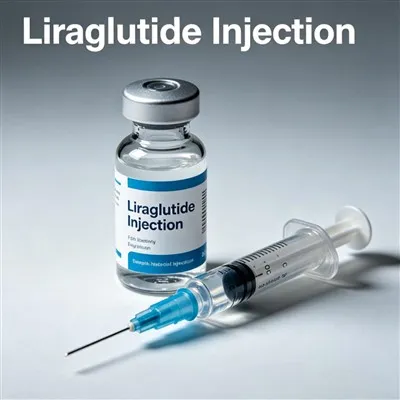
Peptide agents are short chains of amino acids, the building – blocks of proteins. They play crucial roles in various biological processes, such as cell signaling, immune response, and hormone regulation. Due to their diverse functions, peptides have become increasingly important in pharmaceuticals, cosmetics, and research.
Natural Peptide Agents
Nature is a rich source of peptide agents. Many peptides are found in living organisms, including plants, animals, and microorganisms. For example, antimicrobial peptides are produced by the immune system of many organisms as a defense mechanism against pathogens. These peptides can disrupt the cell membranes of bacteria, fungi, and viruses, preventing their growth and spread.
One well – known natural peptide is insulin, which is produced by the pancreas in humans and other mammals. Insulin regulates blood sugar levels by facilitating the uptake of glucose into cells. It was one of the first peptides to be used in medical treatment, revolutionizing the management of diabetes.
Another example is collagen peptides, which are derived from the connective tissues of animals, such as cows, pigs, and fish. Collagen is the most abundant protein in the human body, providing structure and elasticity to the skin, bones, and joints. Collagen peptides are widely used in the cosmetic and nutraceutical industries for their anti – aging and joint – health benefits.
In the plant kingdom, there are also numerous peptides with biological activities. Some plant peptides have been found to have anti – cancer, anti – inflammatory, and antioxidant properties. For instance, certain peptides isolated from legumes can inhibit the growth of cancer cells by interfering with their signaling pathways.
The advantage of natural peptide agents is their high biocompatibility. Since they are derived from natural sources, they are generally well – tolerated by the human body and have a lower risk of side effects. Moreover, they often possess complex and specific biological functions that have evolved over millions of years, making them valuable for therapeutic applications.
However, there are also limitations to using natural peptide agents. The extraction and purification of peptides from natural sources can be challenging and time – consuming. The yield of peptides from natural materials is often low, which can lead to high production costs. Additionally, the availability of natural sources may be limited, especially for endangered species or those with restricted habitats.
Synthetic Peptide Agents
In response to the limitations of natural peptide agents, scientists have developed methods for synthesizing peptides in the laboratory. Synthetic peptide agents are created through chemical reactions that link amino acids together in a specific sequence. This allows for the precise control of the peptide’s structure and properties.
One of the most common methods for peptide synthesis is solid – phase peptide synthesis (SPPS). In SPPS, the peptide chain is built step – by – step on a solid support, such as a resin bead. The amino acids are added one at a time, and the process is automated, making it possible to synthesize peptides with high purity and efficiency.
The ability to synthesize peptides in the laboratory has several advantages. First, it allows for the production of peptides that may not be readily available from natural sources. For example, scientists can design and synthesize peptides with novel sequences and structures to target specific biological pathways. This has led to the development of many peptide – based drugs, such as peptide hormones, enzyme inhibitors, and receptor agonists.
Second, synthetic peptide agents can be produced in large quantities with consistent quality. This is important for commercial applications, where a stable supply of high – quality peptides is required. The production process can be optimized to reduce costs and increase yields, making synthetic peptides more accessible.
However, synthetic peptide agents also have some drawbacks. The chemical synthesis process may introduce impurities or modify the peptide structure, which can affect its biological activity and safety. Additionally, some synthetic peptides may have a lower biocompatibility compared to natural peptides, which can lead to immune responses in some cases.
Dual Origin and Hybrid Approaches
In some cases, peptide agents can have both natural and synthetic origins. For example, a natural peptide can be isolated and then modified through chemical synthesis to enhance its properties. This approach, known as peptide engineering, combines the advantages of natural and synthetic methods.
Scientists can add chemical groups to a natural peptide to improve its stability, solubility, or targeting ability. For example, pegylation, the attachment of polyethylene glycol (PEG) to a peptide, can increase its half – life in the body and reduce its immunogenicity.
Another approach is the use of recombinant DNA technology to produce peptides. In this method, the gene encoding a peptide is inserted into a host organism, such as bacteria or yeast, which then produces the peptide. This is a form of semi – synthetic production, as the host organism is a natural system, but the peptide is produced based on a modified gene.
Applications in Different Industries
The choice between natural and synthetic peptide agents depends on the specific application. In the pharmaceutical industry, both types of peptides are widely used. Natural peptides are often preferred for their biocompatibility and specificity, while synthetic peptides are favored for their customizability and large – scale production potential.
In the cosmetic industry, collagen peptides are a popular ingredient due to their ability to improve skin elasticity and reduce wrinkles. These can be either natural, derived from animal sources, or synthetic, produced through chemical synthesis.
In research, synthetic peptide agents are often used because they can be easily modified and synthesized in large quantities. They are essential tools for studying protein – protein interactions, cell signaling pathways, and drug discovery.
Making the Right Choice
As a peptide agent supplier, our goal is to provide our clients with the highest – quality peptides for their specific needs. When choosing between natural and synthetic peptide agents, several factors need to be considered.
For applications where biocompatibility and low risk of side effects are crucial, natural peptide agents may be the better choice. On the other hand, if customizability, large – scale production, and cost – effectiveness are priorities, synthetic peptide agents are more suitable.

We understand that every client has unique requirements, and we are committed to working closely with them to find the best peptide solutions. Whether it’s a natural peptide with a long – proven biological activity or a synthetic peptide designed for a specific research project, we have the expertise and resources to meet their demands.
Finished Dosage Form If you are interested in purchasing peptide agents for your research, pharmaceutical development, or cosmetic production, we invite you to contact us for a detailed discussion. Our team of experts is ready to assist you in selecting the most appropriate peptides and providing you with high – quality products.
References
- Alberts, B., Johnson, A., Lewis, J., Raff, M., Roberts, K., & Walter, P. (2002). Molecular Biology of the Cell. Garland Science.
- Goodman, M., Felix, A., Moroder, L., & Toniolo, C. (Eds.). (2003). Houben – Weyl Methods in Organic Chemistry: Synthesis of Peptides and Peptidomimetics. Thieme.
- Walsh, G. (2014). Biopharmaceuticals: Biochemistry and Biotechnology. Wiley – Blackwell.
HK Neopharm Limited
HK Neopharm Limited is one of the most professional peptide agents manufacturers and suppliers in China, also supports customized service. Welcome to buy high quality peptide agents in stock here and get quotation from our factory. For price consultation, contact us.
Address: Room W Unit 6086/f Metro Loft 38kwai Hei St Kwai Chung, Hong Kong
E-mail: sales@hkneopharm.com
WebSite: https://www.hkneopharm.com/
