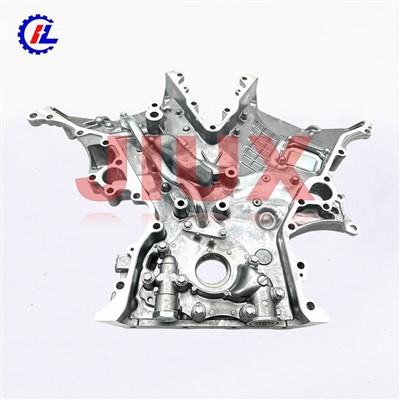
When working in the automotive industry, especially as an engine timing cover supplier, one crucial aspect is being able to distinguish between Original Equipment Manufacturer (OEM) and aftermarket engine timing covers accurately. This not only helps in maintaining product integrity but also aids customers in making informed decisions. In this blog post, I’ll share my insights and experiences on how to determine if an engine timing cover is OEM or aftermarket. Engine Timing Cover
Understanding the Basics: OEM vs. Aftermarket
First, it’s essential to understand the fundamental differences between OEM and aftermarket parts. OEM parts are produced by the same manufacturer that supplied the parts for the vehicle during its original assembly. They are designed to meet the exact specifications and quality standards set by the automaker. On the other hand, aftermarket parts are produced by third – party manufacturers. While they can offer a cost – effective alternative, their quality and fit can vary significantly.
Packaging and Branding
The packaging of an engine timing cover can be a telling sign. OEM parts usually come in packaging that clearly indicates the vehicle manufacturer’s logo and part number. The labeling is often professional, with detailed information about the part, its application, and sometimes even a serial number for traceability. The packaging materials are also of high quality, designed to protect the part during transit.
For example, if you’re looking at a timing cover for a Ford vehicle, an OEM cover will likely be in a box with the Ford logo, clear part numbers, and specific details about the engine model it’s designed for. The fonts and colors used in the packaging will match Ford’s official branding.
In contrast, aftermarket parts may have a variety of packaging styles. Some aftermarket suppliers try to mimic OEM packaging, but there are often subtle differences. The logo might not be as sharp, the part numbering could be less detailed, or the packaging materials might be of lower quality. Some aftermarket covers come in plain boxes with just basic information about the part and the supplier’s name.
Quality of Materials
The quality of materials used in the manufacturing of the engine timing cover is another key factor. OEM timing covers are made from high – grade materials that meet the strict standards of the vehicle manufacturer. These materials are chosen for their durability, heat resistance, and ability to withstand the rigors of engine operation.
For instance, in many modern vehicles, OEM timing covers are made from high – strength aluminum alloys. These alloys offer excellent corrosion resistance and can handle the high temperatures generated by the engine. The surface finish of an OEM cover is usually smooth and uniform, with no visible defects or rough edges.
Aftermarket timing covers, however, can vary widely in terms of material quality. Some aftermarket suppliers may use lower – grade aluminum or other metals that are not as strong or heat – resistant. This can lead to premature wear and failure of the timing cover. You might notice that an aftermarket cover has a rougher surface finish, or there could be signs of uneven casting, such as porosity or small cracks.
Fit and Compatibility
One of the most critical aspects of an engine timing cover is its fit and compatibility with the engine. OEM timing covers are designed to fit perfectly with the specific engine model they are intended for. They are engineered to match the exact dimensions, bolt patterns, and mounting points of the engine.
When you install an OEM timing cover, it should align easily with the engine block, and all the bolts should fit snugly without any force. The gaskets that come with OEM covers are also designed to create a perfect seal, preventing oil leaks and ensuring proper engine operation.
Aftermarket timing covers may not always fit as well. There could be slight differences in the dimensions, which can make installation difficult. For example, the bolt holes might not line up correctly, or the cover might not sit flush against the engine block. This can lead to oil leaks and other engine problems over time. Some aftermarket covers may also require additional modifications or adjustments to fit properly, which can add to the installation time and cost.
Manufacturing Marks and Serial Numbers
OEM parts often have manufacturing marks and serial numbers that can be used to verify their authenticity. These marks are usually stamped or engraved on the part itself and can provide information about the production date, manufacturing plant, and batch number.
Automotive manufacturers use these serial numbers for quality control and traceability purposes. You can contact the vehicle manufacturer or use their official databases to verify the authenticity of an OEM timing cover using its serial number.
Aftermarket parts may or may not have serial numbers, and if they do, they are often used by the aftermarket supplier for their own internal tracking purposes. These serial numbers are not usually recognized or verifiable through the vehicle manufacturer’s systems.
Price Considerations
While price is not always the most accurate indicator, it can sometimes give you a clue. OEM timing covers are generally more expensive than aftermarket ones. This is because of the high – quality materials, strict manufacturing standards, and the research and development costs associated with meeting the vehicle manufacturer’s specifications.
However, it’s important to note that there are some high – end aftermarket suppliers who offer parts that are comparable in quality to OEM parts, but at a slightly lower price. On the other hand, extremely low – priced aftermarket timing covers are often a red flag, as they may be made from substandard materials or have poor craftsmanship.
Supplier Reputation
The reputation of the supplier is also crucial. As an engine timing cover supplier, I understand the importance of building trust with customers. OEM parts are typically sourced from the vehicle manufacturer or its authorized distributors. These suppliers have a long – standing relationship with the automaker and are held to high standards of quality and service.
When dealing with aftermarket suppliers, it’s important to do your research. Look for suppliers with a good track record of providing high – quality parts, positive customer reviews, and a commitment to customer satisfaction. A reliable aftermarket supplier will be able to provide detailed information about their products, such as material specifications, manufacturing processes, and warranty policies.
Conclusion
In conclusion, determining whether an engine timing cover is OEM or aftermarket requires a careful examination of several factors. By looking at the packaging, quality of materials, fit and compatibility, manufacturing marks, price, and supplier reputation, you can make an informed decision.
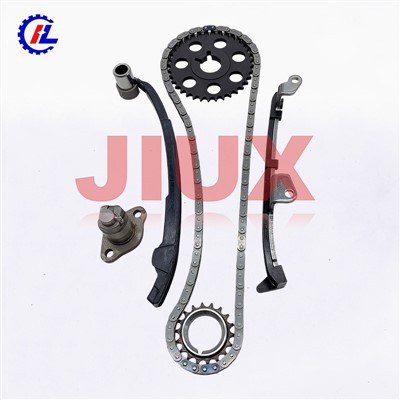
Fit for SUZUKI As an experienced engine timing cover supplier, I am committed to providing my customers with the best – quality products, whether they are OEM or high – end aftermarket covers. If you’re in the market for an engine timing cover and need assistance in choosing the right one for your vehicle, I’d be more than happy to help. Feel free to reach out to me to discuss your requirements and start a procurement conversation.
References
- "Automotive Parts Manufacturing: A Guide to Quality and Standards" – Industry Report
- "Understanding OEM and Aftermarket Automotive Components" – Automotive Engineering Journal
- Personal experiences and observations from working as an engine timing cover supplier.
Huzhou Hongli Auto Parts Co., Ltd.
With abundant experience, we are one of the most professional engine timing cover manufacturers in China. Please rest assured to buy customized engine timing cover at competitive price from our factory. If you have any enquiry about cooperation, please feel free to email us.
Address: Building 16, No.50 / Building 18, No.58, Dadongwu, Lianshi Town, Nanxun District, Huzhou, Zhejiang, China
E-mail: jiux@timingkit.cn
WebSite: https://www.jiuxkit.com/
