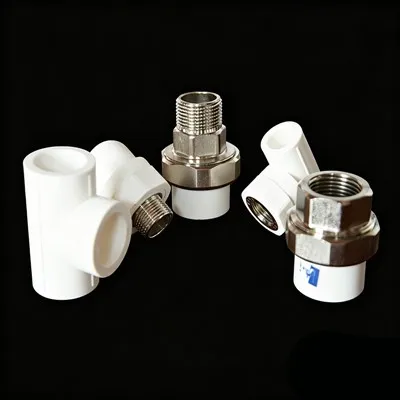
Hey there! As a supplier of PVC pipe fittings, I often get asked if our products can be used in a rainwater harvesting system. And let me tell you, the answer is a big yes! In this blog, I’ll break down why PVC pipe fittings are a great choice for rainwater harvesting, share some key considerations, and give you a glimpse into how they can make your rainwater collection setup a breeze. PVC Pipe Fittings
First off, what exactly is a rainwater harvesting system? Well, it’s a way to collect, store, and use rainwater that falls on your property. This can be for various purposes like watering your garden, flushing toilets, or even doing laundry in some cases. It’s an eco – friendly and cost – effective way to make the most of nature’s free water supply.
So, why should you consider using PVC pipe fittings for your rainwater harvesting system?
Durability
PVC, or polyvinyl chloride, is known for its incredible durability. It can withstand harsh weather conditions, including extreme heat and cold. Whether it’s blistering summer sun or freezing winter temperatures, PVC pipes and fittings won’t crack or break easily. This means that once you set up your rainwater harvesting system with PVC pipe fittings, you can expect it to last for years without much maintenance. For example, in areas with fluctuating temperatures throughout the year, PVC pipes will keep their shape and structural integrity, ensuring a continuous and reliable rainwater collection process.
Corrosion Resistance
Rainwater can sometimes be slightly acidic, especially in areas with high levels of air pollution. This acidic water can cause corrosion in metal pipes over time, leading to leaks and reduced efficiency. PVC pipe fittings, on the other hand, are highly resistant to corrosion. They won’t rust or degrade when exposed to rainwater, no matter how acidic it might be. This makes them a long – term and low – maintenance solution for your rainwater harvesting needs. You don’t have to worry about replacing corroded pipes every few years, saving you both time and money in the long run.
Cost – Effectiveness
Let’s face it, budget is always a consideration when setting up any system. PVC pipe fittings are relatively inexpensive compared to other materials like copper or stainless steel. You can get a high – quality PVC fitting at a fraction of the cost of its metal counterparts. This is a huge advantage, especially if you’re building a large – scale rainwater harvesting system. You can use the money you save on pipe fittings to invest in other important components of the system, such as a larger storage tank or a more advanced filtration system.
Ease of Installation
Installing a rainwater harvesting system can be a DIY project, and PVC pipe fittings make it even easier. They are lightweight, which means you can handle them without much effort. Plus, they come in a variety of sizes and shapes, so you can easily find the right fitting for your specific setup. Most PVC pipe fittings can be connected using simple solvent cement or compression fittings, and you don’t need any specialized tools or skills. Even if you’re not a professional plumber, you can follow some basic instructions and have your rainwater harvesting system up and running in no time.
Versatility
PVC pipe fittings offer a high degree of versatility. You can use them to create a customized rainwater harvesting system that suits your specific needs. Whether you want to collect rainwater from a small rooftop garden or a large commercial building, PVC fittings can be configured in different ways. You can connect multiple downspouts, create branches, and direct the water flow exactly as you want. This flexibility allows you to design a system that is both efficient and tailored to your property.
Now, there are a few things you need to keep in mind when using PVC pipe fittings in a rainwater harvesting system.
Quality Matters
Not all PVC pipe fittings are created equal. When you’re choosing fittings for your rainwater harvesting system, make sure you go for high – quality products. Look for fittings that meet industry standards and have been tested for durability and safety. Cheaper, low – quality fittings may seem like a good deal at first, but they can end up causing problems in the long run, such as leaks or breakages. As a supplier, I always recommend using fittings that have been manufactured by reputable companies.
Sun Exposure
Although PVC is durable, prolonged exposure to direct sunlight can cause it to degrade over time. UV rays can make the PVC brittle and increase the risk of cracking. To prevent this, it’s a good idea to install your PVC pipe fittings in a shaded area or use UV – resistant PVC. If you can’t avoid sun exposure completely, you can also use pipe insulation to protect the fittings from the sun’s harmful rays.
Water Pressure
You need to ensure that the PVC pipe fittings you choose can handle the water pressure in your rainwater harvesting system. During heavy rainfall, the water flow can be quite strong, and if the fittings aren’t designed to handle high pressure, they could burst. Check the pressure ratings of the fittings and choose ones that are suitable for the maximum water pressure your system is likely to experience.
Let’s talk a bit about the different types of PVC pipe fittings commonly used in rainwater harvesting systems.
Elbows
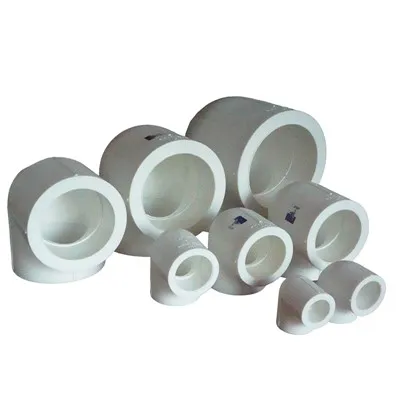
Elbows are used to change the direction of the pipe. They come in different angles, such as 45 degrees and 90 degrees. In a rainwater harvesting system, elbows are useful for redirecting water from the downspout to the storage tank, especially if there are obstacles in the way.
Tee Fittings
Tee fittings are shaped like the letter "T" and are used to create branches in the pipe system. You can use them to connect multiple downspouts to a single storage tank or to divide the water flow in different directions. This is handy if you want to distribute the collected rainwater to different parts of your property.
Couplings
Couplings are used to connect two pipes of the same diameter end – to – end. They provide a secure and watertight connection, ensuring that the rainwater doesn’t leak out of the system. Couplings are essential for extending the length of the pipes in your rainwater harvesting setup.
Reducers
Reducers are used when you need to connect pipes of different diameters. In a rainwater harvesting system, you might need to use reducers if you’re using different – sized pipes in different parts of the setup, for example, when connecting a large downspout to a smaller pipe leading to the storage tank.
In conclusion, PVC pipe fittings are an excellent choice for rainwater harvesting systems. They offer durability, corrosion resistance, cost – effectiveness, ease of installation, and versatility. With proper selection and installation, they can help you create a reliable and efficient rainwater collection system.
If you’re thinking about setting up a rainwater harvesting system or looking to upgrade your existing one, I’d love to talk to you! We have a wide range of high – quality PVC pipe fittings that are perfect for rainwater harvesting. Feel free to reach out, and we can discuss the best solutions for your specific needs. We’re here to help you make the most of nature’s free water resource with top – notch PVC pipe fittings.
PVC Pipe References
- "The Complete Guide to Rainwater Harvesting" by Joe Kleboe
- "PVC Pipe and Fittings Handbook" by various industry experts
Hebei Ruijie Pipe Industry Co., Ltd.
Address: Industrial Park, Shaozhuang Township, Suning County, Cangzhou City, Hebei Province
E-mail: 1987870474@qq.com
WebSite: https://www.rjpprpipe.com/
