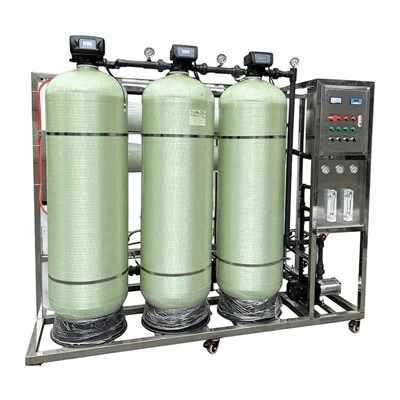
In the realm of industrial water treatment, Reverse Osmosis (RO) membrane systems stand as a cornerstone technology, purifying water for a wide array of applications. Central to the optimal performance of these systems is the accurate measurement of fluid flow, which is where flow meters come into play. As a leading supplier of Industrial RO Membrane solutions, I’ve witnessed firsthand the critical role that a properly calibrated flow meter plays in the efficiency and longevity of RO systems. In this blog, I’ll share insights on how to calibrate a flow meter in an industrial RO membrane system, ensuring that your operations run smoothly and cost – effectively. Industrial RO Membrane
Understanding the Importance of Flow Meter Calibration in RO Systems
Before delving into the calibration process, it’s essential to understand why accurate flow measurement is so crucial in an industrial RO membrane system. RO membranes operate under specific pressure and flow conditions to achieve the desired level of filtration and water purification. An inaccurate flow meter can lead to incorrect dosing of chemicals, sub – optimal membrane performance, and even premature membrane fouling or damage.
For instance, if the flow rate is measured too low, it might result in under – dosing of anti – scaling chemicals, which can lead to the formation of scale on the RO membranes. Conversely, an over – estimated flow rate could lead to over – dosing of chemicals, increasing operational costs and potentially harming the membranes. Therefore, regular calibration of flow meters is vital to maintain the balance between efficiency, cost, and membrane integrity.
Types of Flow Meters Used in Industrial RO Systems
Industrial RO membrane systems typically employ several types of flow meters, each with its own operating principles and calibration requirements. The most common types include:
1. Magnetic Flow Meters
Magnetic flow meters, also known as magmeters, operate based on Faraday’s law of electromagnetic induction. They are non – intrusive and ideal for measuring the flow of conductive fluids. In RO systems, they are often used to measure the flow of feed water and permeate.
2. Ultrasonic Flow Meters
Ultrasonic flow meters use ultrasonic waves to measure the flow velocity of a fluid. They can be either transit – time or Doppler – based. Transit – time ultrasonic flow meters are suitable for clean fluids, while Doppler – based meters are better for fluids with suspended particles.
3. Turbine Flow Meters
Turbine flow meters measure the flow rate by the rotation of a turbine blade placed in the fluid stream. The rotational speed of the turbine is proportional to the fluid flow rate. They are relatively simple and cost – effective, but require proper maintenance to ensure accuracy.
Pre – Calibration Checks
Before starting the calibration process, a series of pre – calibration checks should be carried out to ensure the reliability of the results.
1. Visual Inspection
Inspect the flow meter for any visible damage, such as cracks in the housing, loose connections, or signs of corrosion. Check the wiring for any fraying or loose terminals. A damaged flow meter may not provide accurate readings even after calibration.
2. Fluid Compatibility
Ensure that the fluid being measured is compatible with the flow meter’s materials of construction. For example, some fluids may corrode certain types of flow meter sensors, leading to inaccurate measurements over time.
3. Installation Verification
Verify that the flow meter is installed correctly according to the manufacturer’s guidelines. Incorrect installation, such as improper pipe size, incorrect orientation, or insufficient straight pipe lengths upstream and downstream of the flow meter, can affect the accuracy of the readings.
Step – by – Step Calibration Process
The calibration process can vary depending on the type of flow meter, but the general steps are as follows:
1. Select a Calibration Standard
A calibration standard is a known reference quantity against which the flow meter will be compared. This can be a volumetric standard (e.g., a calibrated tank) or a mass standard (e.g., a weighing scale). The accuracy of the calibration standard should be significantly higher than that of the flow meter being calibrated.
2. Zero – Point Calibration
For most flow meters, it’s necessary to perform a zero – point calibration. This involves ensuring that the flow meter reads zero when there is no fluid flowing through it. If the flow meter shows a non – zero reading at zero flow, adjustments can usually be made using the meter’s built – in calibration controls.
3. Conducting the Calibration
- Flow Rate Selection: Select a range of flow rates that cover the normal operating range of the RO system. These flow rates should be representative of the actual conditions under which the flow meter will be used.
- Measurement and Comparison: For each selected flow rate, measure the flow using the calibration standard and compare it with the reading from the flow meter. Record the differences between the two measurements.
- Adjustment: If there are significant differences between the flow meter readings and the calibration standard, make adjustments to the flow meter according to the manufacturer’s instructions. This may involve adjusting the calibration factors, gain settings, or other parameters.
4. Verification and Documentation
After making the adjustments, repeat the flow rate measurements to verify the accuracy of the flow meter. Document all calibration results, including the date, time, flow rates, calibration standard used, and any adjustments made. This documentation is essential for quality control and regulatory compliance.
Special Considerations for RO Systems
When calibrating flow meters in an industrial RO membrane system, there are some special considerations that need to be taken into account:
1. Pressure and Temperature
The performance of a flow meter can be affected by the pressure and temperature of the fluid. In RO systems, the fluid pressures and temperatures can vary significantly, especially during different stages of the treatment process. Therefore, it’s important to perform the calibration at the typical operating pressure and temperature conditions of the RO system.
2. Membrane Fouling and Scaling
Over time, RO membranes can become fouled or scaled, which can affect the flow characteristics of the system. When calibrating the flow meter, it’s important to consider the potential impact of membrane fouling on the flow rate measurements. Regular membrane cleaning and maintenance can help reduce these effects.
3. Chemical Additives
RO systems often use chemical additives, such as anti – scaling agents, biocides, and pH adjusters. These chemicals can affect the properties of the fluid, such as its viscosity and conductivity, and may have an impact on the flow meter readings. When calibrating the flow meter, it’s necessary to ensure that the fluid properties are representative of the actual operating conditions, including the presence of chemical additives.
Post – Calibration Maintenance
Once the flow meter has been calibrated, regular post – calibration maintenance is essential to ensure its continued accuracy.
1. Regular Checks
Perform regular checks of the flow meter readings to monitor for any signs of drift or inaccuracy. Compare the flow meter readings with other independent measurements, if available, to verify their accuracy.
2. Cleanliness
Keep the flow meter clean to prevent the build – up of dirt, debris, or scale. Regular cleaning can help maintain the accuracy of the flow meter and extend its service life.
3. Sensor Replacement
Over time, the sensors in a flow meter may degrade, leading to inaccurate measurements. Follow the manufacturer’s recommendations for sensor replacement intervals and replace the sensors as needed.
Conclusion

Calibrating a flow meter in an industrial RO membrane system is a critical process that ensures the efficient and reliable operation of the system. By understanding the importance of calibration, selecting the right flow meter, performing pre – calibration checks, following a proper calibration process, considering the special requirements of RO systems, and conducting post – calibration maintenance, you can ensure that your flow meter provides accurate measurements and that your RO system operates at its best.
Large Capacity EDI Module As an Industrial RO Membrane supplier, we are committed to providing high – quality products and technical support to help you optimize your RO system. Whether you need advice on flow meter calibration, RO membrane selection, or system design, our team of experts is here to assist you. If you are interested in learning more about our products or have any questions regarding industrial RO membrane systems, please feel free to reach out to us for a discussion and explore how we can meet your specific needs.
References
- ISO 9001: Quality management systems – Requirements.
- ASTM D4194 – Standard Practice for Automatic Pipette Calibration.
- Manufacturer’s manuals for various flow meters used in industrial RO systems.
Fujian Huamo Technology Co., Ltd.
Fujian Huamo Technology Co., Ltd. is one of the most professional industrial ro membrane manufacturers and suppliers in China, featured by quality products and good service. Please rest assured to wholesale the best industrial ro membrane made in China here and get price list from our factory. Contact us for custom service and OEM service.
Address: No.6 Hengtong Rd, Shanmei Village, Xiamei Town, Nanan City, Fujian Province, China
E-mail: info@huaromembrane.com
WebSite: https://www.hmromembrane.com/
