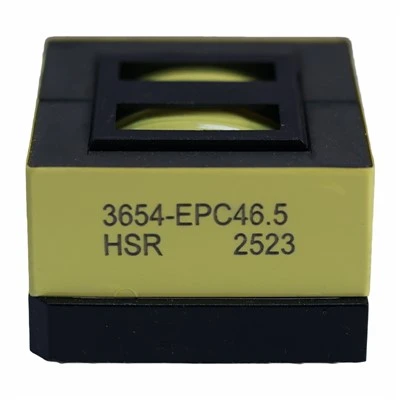
In the realm of power electronics, switching power supplies are the unsung heroes that keep our modern world running. They efficiently convert electrical power from one form to another, powering everything from smartphones to industrial machinery. At the heart of these power supplies, power inductors play a crucial role. As a power inductor supplier, I’ve witnessed firsthand how these components are essential for the proper functioning of switching power supplies. In this blog, I’ll delve into the role of power inductors in switching power supplies and explain why choosing the right inductor is vital for your applications. Power Inductor
Understanding Switching Power Supplies
Before we explore the role of power inductors, it’s essential to understand the basics of switching power supplies. Unlike linear power supplies, which use a linear regulator to control the output voltage, switching power supplies use a switching regulator. This regulator rapidly switches the input voltage on and off, allowing the power supply to convert voltage levels more efficiently.
The basic operation of a switching power supply involves four main stages: rectification, inversion, transformation, and regulation. During the rectification stage, the alternating current (AC) input is converted into direct current (DC). The inversion stage then converts the DC voltage into a high – frequency AC voltage. Next, the transformation stage uses a transformer to change the voltage level, and finally, the regulation stage ensures that the output voltage remains stable.
The Role of Power Inductors in Switching Power Supplies
Power inductors are passive electronic components that store energy in a magnetic field when current flows through them. In switching power supplies, they perform several critical functions:
Energy Storage and Transfer
One of the primary roles of a power inductor is to store and transfer energy. In a step – down (buck) converter, for example, when the switch in the switching regulator is closed, current flows through the inductor, and energy is stored in its magnetic field. When the switch is opened, the magnetic field collapses, and the stored energy is transferred to the output load. This process allows the power supply to convert a higher input voltage to a lower output voltage efficiently.
In a step – up (boost) converter, the inductor works in a similar but opposite way. When the switch is closed, energy is stored in the inductor’s magnetic field. When the switch is opened, the inductor’s magnetic field collapses, and the stored energy, combined with the input voltage, is transferred to the output, resulting in a higher output voltage.
Filtering and Smoothing
Power inductors also act as filters in switching power supplies. The rapid switching of the switching regulator can generate voltage and current ripples. These ripples can cause electromagnetic interference (EMI) and instability in the power supply. The inductor, along with a capacitor, forms an LC filter. The inductor resists changes in current, and the capacitor resists changes in voltage. Together, they smooth out the output voltage and current, reducing ripple and providing a stable DC output.
Current Limiting
In some cases, power inductors can be used to limit the current in a switching power supply. When the current through the inductor reaches a certain level, the inductor’s magnetic field becomes saturated. At this point, the inductor’s inductance decreases, and the inductor starts to act more like a resistor, limiting the further increase in current. This current – limiting function can protect the power supply and the connected load from damage due to overcurrent.
Factors to Consider When Choosing Power Inductors for Switching Power Supplies
As a power inductor supplier, I often get asked about the factors to consider when choosing power inductors for switching power supplies. Here are some key considerations:
Inductance Value
The inductance value of an inductor determines its ability to store energy. A higher inductance value means more energy can be stored, which can reduce the current ripple in the power supply. However, a higher inductance value also means a larger inductor size and slower response time. The inductance value should be chosen based on the specific requirements of the switching power supply, such as the input and output voltage, switching frequency, and load current.
Saturation Current
The saturation current is the maximum current that the inductor can carry without its inductance dropping significantly. When the current through the inductor exceeds the saturation current, the inductor’s performance degrades, and the power supply may become unstable. It’s crucial to choose an inductor with a saturation current that is higher than the maximum expected current in the power supply.
DC Resistance (DCR)
The DC resistance of an inductor is the resistance of the inductor’s winding. A lower DCR means less power loss in the inductor, which improves the efficiency of the power supply. However, reducing the DCR often requires a larger inductor size. It’s necessary to find a balance between the DCR and the physical size of the inductor based on the power supply’s efficiency requirements.
Temperature Rating
The temperature rating of an inductor indicates the maximum temperature at which the inductor can operate safely. The temperature of an inductor can increase due to power losses in the winding and core. If the temperature exceeds the rating, the inductor’s performance may degrade, and it may even fail. It’s important to choose an inductor with a temperature rating that can withstand the operating conditions of the power supply.
Our Power Inductor Offerings
As a power inductor supplier, we offer a wide range of power inductors to meet the diverse needs of switching power supply applications. Our power inductors are designed with high – quality materials and advanced manufacturing processes to ensure excellent performance and reliability.
We have inductors with different inductance values, saturation currents, and DC resistances to suit various power supply topologies and requirements. Whether you need a small – size inductor for a portable device or a high – power inductor for an industrial application, we can provide you with the right solution.
Our technical team is also available to provide support and guidance on choosing the appropriate power inductor for your switching power supply design. We understand the importance of getting the right components for your application, and we are committed to helping you achieve the best performance and efficiency in your power supply.
Conclusion
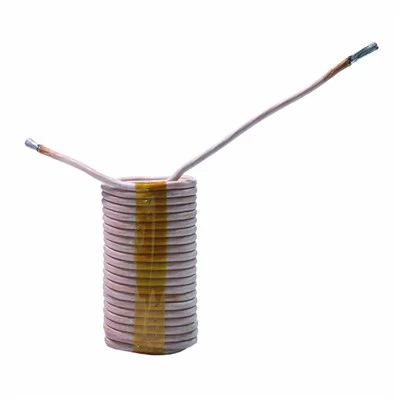
Power inductors are essential components in switching power supplies, playing a crucial role in energy storage, filtering, and current limiting. Choosing the right power inductor is vital for the proper functioning and efficiency of your switching power supply. As a power inductor supplier, we are dedicated to providing high – quality power inductors and professional support to help you meet your power supply design needs.
Transformer If you are looking for a reliable power inductor supplier for your switching power supply applications, we would be more than happy to discuss your requirements. Contact us today to start a procurement discussion, and let us work together to find the best power inductor solutions for your projects.
References
- Erickson, R. W., & Maksimović, D. (2001). Fundamentals of Power Electronics. Kluwer Academic Publishers.
- Moore, A. (2017). Handbook of Power Electronics. McGraw – Hill Education.
- “Power Inductor Basics,” [Manufacturer Name] Technical Documentation.
Dongguan Hensiron Electric Co., Ltd.
As one of the most professional power inductor suppliers in China, we have world-leading production equipment and strong manufacturing capabilities. Please feel free to buy high quality power inductor made in China here from our factory. Customized orders are welcome.
Address: Building 4, Xinxing Industrial Zone, Wangao Road, Wanjiang Street, Dongguan City, China
E-mail: jessica@dghensiron.com
WebSite: https://www.dghensiron.com/
