Hey everyone, it’s Jake from the screw air compressor side of the industry, and today I wanna talk about something I get asked constantly at trade shows, over coffee with regular clients, and even in random DMs on LinkedIn: “What’s next for screw air compressors?” I’ve been supplying these bad boys for over 12 years now, and I’ve watched them go from clunky, energy-hungry machines that needed constant babysitting to the sleek, smart powerhouses that run everything from small bakeries to big manufacturing plants these days. If you’re in the market for one, or just curious where this tech’s heading, stick around—this isn’t your boring whitepaper-style stuff, promise. Screw Air Compressor
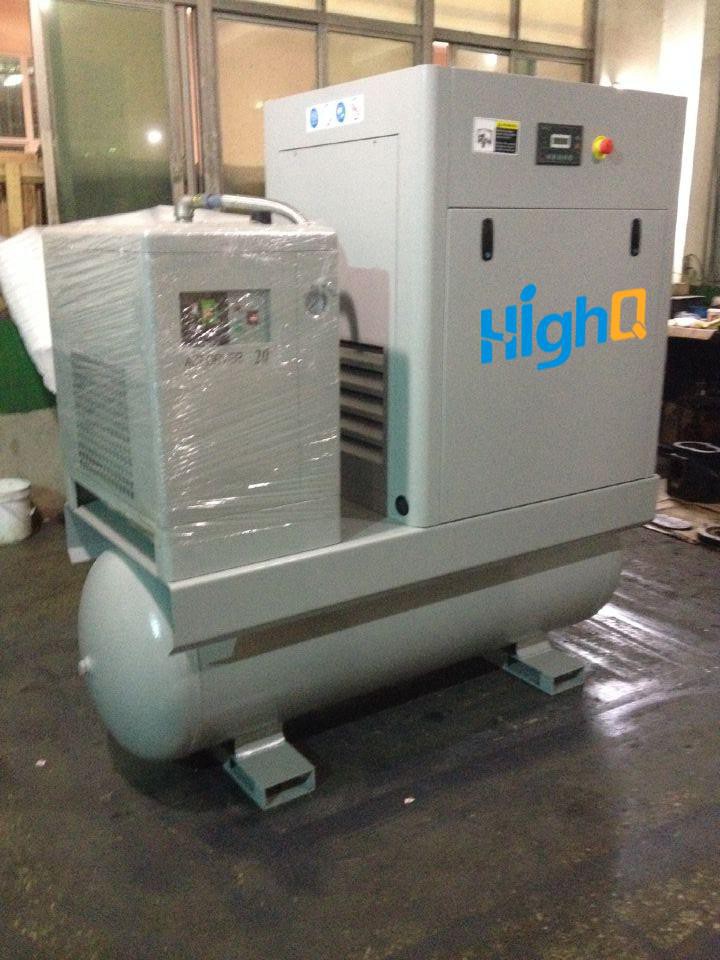
First off, let’s be real—everyone’s got an eye on energy costs right now. I can’t tell you how many times a fabricator or a packaging plant owner has sat across my desk, saying they’re tired of blowing 30-40% of their monthly utility bill on their current compressor. That’s been a driving force for years, but lately, it’s shifted from “just save some cash” to “we need to slash emissions to hit our ESG targets.” And screw compressor tech isn’t sitting still here. The biggest trend I’m seeing right now is variable speed drive (VSD) tech getting way more precise, not just a basic “slow down when you don’t need full air.” A lot of old VSD compressors would lag, or kick on and off so much they’d waste more energy than they saved, but the new models? They’re paired with pressure transducers that adjust motor speed in milliseconds—like, literally in the time it takes you to blink. I had a client in the automotive parts space last month who swapped out his 10-year-old fixed-speed compressor for our new VSD model, and he cut his electric bill by 38% in the first two months. That’s not a guess—his utility company sent him a side-by-side comparison, and I still have the email in my inbox. Also, we’re seeing more permanent magnet (PM) motors paired with VSDs instead of the regular induction motors everyone used. PM motors are way more efficient at low speeds, which is perfect for small or medium facilities that don’t run air 24/7. I’d say 7 out of 10 new compressors we sell now have that combo, and the number of clients coming back to trade in their old induction VSDs? It’s been growing like crazy the past year.
Next up, smart tech and connectivity. I know, I know—everyone’s talking about Industry 4.0, and it can feel like buzzword bingo. But this isn’t just slapping a sensor on a compressor and calling it “smart.” The future of screw compressors is built-in IoT that actually does work for you, not just spits out random data. Let me give you an example: our new compressors have a little cloud-based portal that tracks things like oil temperature, filter life, motor performance, and even air flow in real time. Here’s the kicker—it alerts us (the supplier) when something’s off, not just the client. Last quarter, a bakery in Ohio had one of our compressors start acting up—little drops in air pressure that their maintenance guy missed, but the portal caught it. We reached out before the air pressure dropped enough to mess up their dough proofing, scheduled a same-day service, and they didn’t lose a single shift. No one wants downtime, especially not small businesses that run on tight margins. We’re also starting to integrate these compressors with facility management software, so a plant manager can pull up air compressor stats along with their energy use, production line output, all in one dashboard. No more logging into 5 different accounts to check how your biggest utility user is doing. I think in 5 years, every new screw compressor sold will have this kind of built-in connectivity—there’s no point in buying a dumb machine when you can have one that prevents problems before they happen.
Wait, let’s not sleep on sustainability beyond energy efficiency. A lot of people forget that compressors use oil, right? Traditional screw compressors need lubricating oil to keep the rotors turning, and changing that oil properly is a big part of maintenance—but it’s also a waste product. So the next big trend here is oil-free (or oil-less?) compressor tech that actually works for heavy-duty use, not just tiny portable units. For years, oil-free compressors were less efficient, noisier, and more expensive, but the new ones? They use advanced coating on the rotors, or hermetically sealed systems that eliminate oil contact entirely, and the efficiency gap is almost gone. I had a pharmaceutical client a while back who was using oil-injected compressors, and they kept getting oil contamination in their air lines—big no-no for drugs, obviously. We swapped them for a new oil-free screw compressor, and they’ve had zero contamination issues in 18 months, plus their long-term maintenance costs are lower because they don’t have to dispose of used oil or replace oil filters every 3 months. We’re also seeing a push towards using recycled refrigerants for the compressor’s cooling systems, and designing compressors that take up less space, so they’re easier to integrate into existing facilities without major renovations. Sustainability isn’t just a buzzword for big brands anymore—small shops care about it too, because it makes their business look better to customers, and it saves them money on waste disposal fees.
Another thing: modular design is changing everything. Old screw compressors were these big, bulky, one-size-fits-all units that required custom installation. If you outgrew your compressor, you had to buy a whole new one, and if you moved your facility, you had to pay a fortune to have it disassembled and shipped. New modular compressors? They’re made in sections—so if you need more air volume, you can just add a second module instead of replacing the whole unit. They’re also way easier to install—most of them come pre-wired and pre-plumbed, so a maintenance guy with basic training can set them up in a day, no electricians or plumbers needed for custom work. I had a custom furniture maker in North Carolina last year who expanded his shop by 20% in 6 months, and instead of buying a new 50HP compressor, he added a 25HP module to his existing unit. That saved him almost $15,000, and he didn’t have any downtime while waiting for the new unit to be delivered. Modular also means less waste when it’s time to upgrade—you can sell or repurpose the old modules, instead of scrapping a whole big machine. I think this is going to be huge for small to medium businesses, which make up like 70% of our client base. They don’t have the big budgets for overkill equipment, so modular lets them grow as they need to, without breaking the bank.
Wait, let’s talk about the elephant in the room: portable screw compressors. A lot of people only think of big, stationary units for factories, but portable screw compressors are getting a glow-up too. Traditionally, they were loud, heavy, and only good for jobs like construction or road work. Now? They’re quieter—like, you can run one near a housing development without disturbing people—and way more fuel-efficient. We’ve had clients use them for everything from construction sites to mobile car repair shops to even pop-up event setups that need air tools. The tech is the same as the stationary ones—VSD, smart connectivity, lower emissions—just packed into a smaller, lighter frame. A construction company I work with recently switched from gas-powered portable compressors to our new electric-powered portable screw compressors, and they cut their fuel costs by 60% on a jobs that runs 8 hours a day. Plus, electric is way better for urban construction sites where emissions and noise are regulated. I see portable screw compressors becoming way more common in the next 3-5 years, not just as a backup but as a primary air source for lots of different industries.
Now, let’s get real about what’s not changing. Screw compressors aren’t going anywhere—they’re still the most reliable, cost-effective option for most continuous air needs, better than reciprocating compressors for high-volume, long-run use. But the way we build, sell, and service them is changing. A lot of suppliers used to just sell you a compressor and disappear, but now, we’re offering service plans that include regular check-ups, predictive maintenance via that IoT portal we talked about, and even parts replacement before something breaks. I can’t tell you how many times a client has told me, “I used to pay $2,000 a year for service calls, but since we started your plan, we’ve only paid $800, and we haven’t had a major breakdown in 2 years.” That’s the value here, not just the machine itself.
Here’s what all this means for you, whether you’re a small business owner just looking to upgrade, or a plant manager planning for the next 5 years: screw air compressors are getting smarter, more efficient, more flexible, and more sustainable. The old days of buying a big, fixed compressor that’s a hassle to maintain and costs a fortune to run are over. The future is about tech that works with your business, not against it—saving you money, preventing downtime, and helping you hit your goals, whatever they are.

If you’re tired of dealing with a compressor that’s costing you too much in energy bills or constant repairs, or you’re just curious what options work for your space, hit me up. I don’t do pushy sales calls—just honest answers, based on what hundreds of clients have told me works for their business. We can chat about your air needs, show you different models, and even run a quick energy assessment if you want. No pressure, just real advice from someone who’s been in this game long enough to know what actually works, not just what’s new.
Dry Oil Free Screw Air Compressor References:
- Global Industrial Compressor Market Report, 2024
- Energy Star: Screw Air Compressor Efficiency Guidelines
- Industry 4.0 in Manufacturing: IoT for Predictive Maintenance
Xiamen HighQ Compressor Co., Ltd.
With over 20 years’ experience, Xiamen HighQ Compressor Co., Ltd. is one of the most professional screw air compressor manufacturers and suppliers in China. We warmly welcome you to buy high quality screw air compressor made in China from our factory. Good service and punctual delivery are available.
Address: 7th F. No.704 Yi Hua Center Xiamen China 361100
E-mail: vincent@hqcompressor.com
WebSite: https://www.hqcompressor.com/
