Hey there, if you’ve ever spent time picking out how to show off your products, you’ve probably stared at two big options: acrylic display stands and glass display stands. And yeah, I get it—choosing between them feels a little overwhelming at first. I’ve been in the acrylic display stand game for years now, working directly with small boutique owners, big retail chains, and even some online sellers who just want their stuff to look as good as it sells. So today, I’m breaking this down like I would over a coffee, no fancy jargon, just real talk about the actual differences between these two display workhorses. Acrylic Display Stand

First off, let’s start with the most obvious (and the one people care about first): weight. Glass display stands are freaking heavy. Like, if you’ve ever tried to haul a full glass display from a storage closet to a store shelf, you know exactly what I mean. Even a small glass countertop stand can feel like you’re moving a handful of marbles made of concrete—slippery, awkward, and if you drop it? Well, let’s just say that’s a mess you don’t want to clean up. Acrylic, on the other hand, is basically plastic that’s way sturdier than the cheap stuff you get at the dollar store, but it’s still light. A full acrylic display stand that’s the same size as a glass one? It might weigh a third or even a quarter of that. That’s a game-changer for anyone who’s setting up pop-ups, rearranging their store, or just doesn’t want to strain their back moving displays around. I’ve had so many customers tell me this was their deciding factor—one local candle shop owner told me she switched after a glass stand slipped and almost took her whole stock of soy candles with it.
Next up: durability and breakage. Oh man, glass is just fragile. Even tempered glass (the stuff they say doesn’t shatter into sharp pieces) can still crack or chip if you bump it against a shelf, or if a kid or a clumsy customer knocks something into it. And when glass breaks? Those shards are sharp, dangerous, and you have to sweep every single one up to make sure no one steps on them. Acrylic? It’s way tougher. I’ve had a customer knock over a full acrylic display (long story short, their dog jumped on the counter and sent a shelf unit crashing to the floor) and the stand just had a tiny scratch, no cracks, no sharp bits. The only time acrylic breaks is if you’re really trying to—like, if you whack it with a hammer, which I’m guessing most of us won’t do with a display stand. That said, acrylic does scratch easier than glass. Not deep, heavy scratches, but light ones from keys, belts, or even rubbing against other boxes. But here’s the thing—scratches on acrylic are way easier to fix. You can buff them out with a little rubbing compound, something I’ve taught dozens of my customers to do in 5 minutes, no special tools needed. Scratches on glass? Permanent, unless you pay a professional to sand it down, and even then it’s not perfect.
Now let’s talk about clarity, because when you’re displaying products, you want customers to see your stuff, not the stand. People always ask me, “Is acrylic as clear as glass?” And the answer is… almost, but there’s a tiny difference. Glass has that super crisp, like-pure-water clarity—if you hold a product behind it, you barely notice the stand is there, until you get real close and see a slight green tint along the edges. Acrylic is clear too, but if you hold two pieces next to each other from a distance, you might tell it’s not glass, but it’s not a big deal. The only time it matters is if you’re displaying something super small, like jewelry or tiny tech parts, where that tiny edge difference might throw off how sharp the product looks. But for 99% of displays—clothing, candles, skincare, even craft items—acrylic clarity is more than enough. And another win for acrylic: since it’s lighter, you can make bigger stands without worrying about them sagging under the weight, whereas a big glass stand might need extra supports that take away from the look.
Wait, let’s not forget about installation and customization. I’ve seen so many people panic when they hear “install a display stand.” Glass stands almost always come with complicated hardware—little clamps, screws that need a drill, sometimes even special mounting brackets that you have to measure perfectly to get right. Acrylic stands? A lot of them snap together. No drill, no tools, just pop the pieces into place. I sell a lot of custom acrylic display stands for brands, and modifying them is way easier too—if a client wants a different size shelf, a cutout for a logo, or even a custom color tint, we can do that quickly. Glass customizations are possible, but they’re more expensive and take longer, especially if you want something not standard. Plus, acrylic can be laser-etched with a brand’s logo super cleanly, no messy ink that smudges over time—glass etching is there, but it’s rougher and not as precise for small logos.
Cost is another big one, and I get it, everyone has a budget. Glass is cheaper upfront for basic, small stands. A 12-inch glass countertop stand might be $10-$15, while the same acrylic one is $15-$20. But wait—let’s do the long-term math. If you have a glass stand, you have to factor in replacement if it breaks. One cracked glass stand a year? That’s $10-$15 a pop. But acrylic stands last way longer—most of my customers tell me they’ve had their acrylic stands for 5+ years with no issues. Also, if you have to repair scratched glass? That’s a service call, which is $50 or more just for a tiny scratch. Acrylic scratches? Buff out at home for pennies. So over 2-3 years, acrylic actually ends up being cheaper, even if the initial cost is a little higher. And for commercial use—like if you’re a big store with 20 stands— that adds up fast.
Oh, and cleaning! I feel like this is a part people don’t talk about enough, but cleaning a display stand is something you do every week, right? Glass gets smudges from fingerprints, water spots, and if you have a store with a lot of foot traffic, those smudges add up. You need glass cleaner, paper towels, and you have to be careful not to streak it. Acrylic? You just wipe it down with a damp microfiber cloth and a little mild soap—no special cleaner. And if you do get a streak, it buffs out way easier than glass. I even had a customer who uses their acrylic stands at farmers markets—they get dusty, dirty, even have food splatters sometimes—and she just hoses them down at the end of the day, no problem. Glass would streak forever if you did that.
Wait, but is there any case where glass is better? Yeah, I’m not here to bash one or the other—they both have their place. If you’re going for a super luxury, high-end look, like a fancy jewelry store or a high-end watch boutique, some people swear by the classic glass vibe. It’s a timeless look that feels sophisticated, and if you take care of it, it has that sleek, polished feel. Also, for really heavy products? Wait no, wait—acrylic is sturdier than glass for most weights, but if you’re displaying something super heavy, like large wine bottles or big ceramic vases, you might go with a thicker glass stand, because even though acrylic is tough, extremely heavy items can scratch or even crack thick acrylic if they’re dropped hard. But that’s a super specific case.
Here’s the thing I’ve learned working with all kinds of customers: most of the time, acrylic is the better pick for small business owners, pop-ups, and anyone who wants something that’s easy to use, won’t break, and lasts. I’ve had customers switch from glass to acrylic and never look back—one pet store owner told me her acrylic display stands for dog treats have survived her store’s Great Dane puppy events, where dogs jump, knock things over, and run around like maniacs. Another skincare brand said their acrylic stands don’t leave water spots from the serums they display, which was a huge problem with their old glass ones.
But at the end of the day, it comes down to what you need. If you want that classic glass look, don’t mind the breakage, and have a small budget for upfront costs, glass works. If you want something that’s easy to move, won’t break if you bump it, is cheap long-term, and easy to customize? Acrylic is your guy.
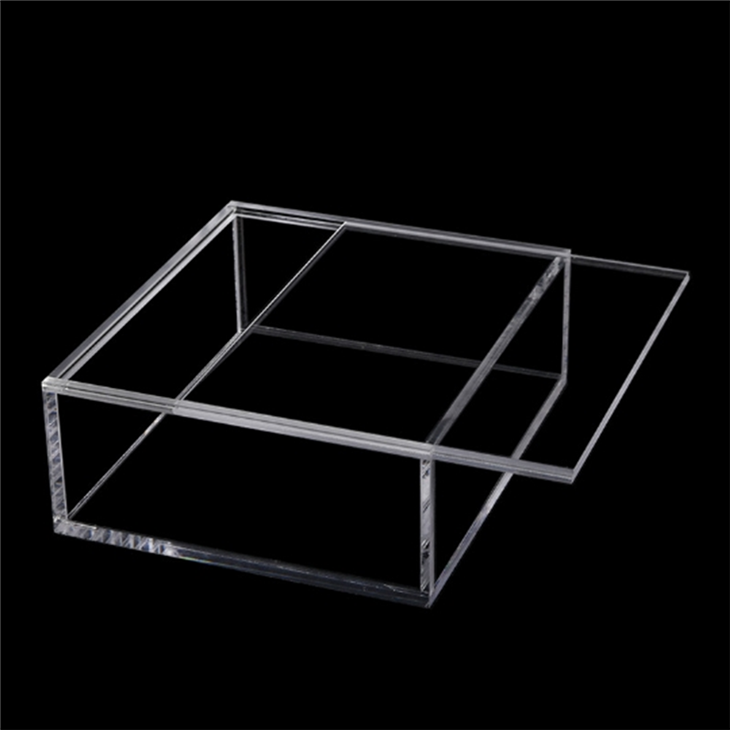
Now, if you’re still not sure which one fits your products, or you want to talk about custom stands that match your brand’s vibe—hit me up. I’ve worked with so many businesses, from local startups to national brands, and I can help you figure out exactly what you need, no pressure, no confusing sales talk. We can chat about sizes, finishes, logos, whatever you need to make your products look as good as they deserve.
Acrylic Photo Frame References:
- American Composites Manufacturers Association. (2022). Acrylic vs. Glass: A Comparative Guide for Retail Displays.
- Glass Packaging Institute. (2021). Durability and Maintenance of Glass Display Materials.
- Retail Design Institute. (2023). Material Selection for Modern Retail Fixtures.
- The Society of Plastics Engineers. (2020). Performance Characteristics of Acrylic for Commercial Applications.
- National Retail Federation. (2022). Small Business Guide to Display Fixture Cost and Longevity.
Wenzhou Daoqin Crafts Co., Ltd.
With abundant experience, we are one of the most professional acrylic display stand manufacturers and suppliers in China. Please rest assured to wholesale bulk customized acrylic display stand from our factory. If you have any enquiry about quotation and free sample, please feel free to email us.
Address: Room 401, Building 5, Wanyang Innovation City, No. 9 Yangyu Road, Binhai New Area, Pingyang County, Wenzhou City, Zhejiang Province, China
E-mail: wzdaoqin@163.com
WebSite: https://www.wzacrylic.com/
