Hey everyone, it’s Jake here from the auto suspension parts team—you know, the guys who know their way around struts, coil springs, and everything in between. I get so many DMs and emails a week that go something like: “Jake, can I actually use used auto suspension parts? They’re way cheaper than new, and I don’t wanna blow my budget on a full suspension swap.” If that’s your question, you’re in the right place. I’ve been in this game for 12 years, seen every sketchy used part out there and every solid one that works like a charm. Let’s break this down straight, no fancy jargon or stuff I made up to sound smart. Auto Suspension Parts
First off, let’s get one thing out of the way: suspension parts aren’t like floor mats or old cup holders you pull out of a junkyard. These are the parts that keep your tires planted to the road, your car handling a turn without veering, and your shocks absorbing potholes so you don’t feel every single bump. Used parts aren’t inherently bad—lots of people act like they’re walking time bombs, but that’s not true. The problem is, most guys asking about used parts don’t know what to look for, and the junkyard seller down the street isn’t gonna warn you if a strut was crunched in a crash or sat outside rusting for 5 years. Let’s start with the basics: what even makes a used suspension part good, and when it’s a hard pass.
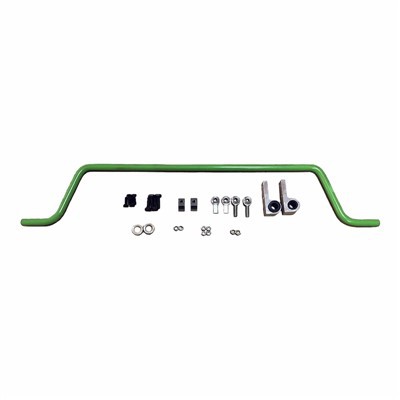
Let’s start with the parts that are usually safe to use, if you check ’em right. Coil springs, for example. Wait, I know what you’re thinking—“Springs hold weight, right? How do I know if they’re weak?” Well, coil springs don’t “wear out” the same way brake pads do, mostly. They sag over time, yeah, but that’s usually from being set under the car’s weight for 10+ years, not from actual damage. A good coil spring from a 5-year-old car with no crash history is fine. Just don’t grab a spring from a car that was in a side impact—those get twisted, trust me, you’ll be able to tell by just looking if it’s bent weird. Another part that works: sway bar end links or sway bars. Those are simple, right? They’re metal bars with rubber bushings. Just check for rust that’s eating through, or if the ball joints are loose. You can wiggle them by hand—if there’s no play, they’re good. If they rattle like a tin can, pass.
Now, the parts that are basically never a good call to buy used. Struts and shock absorbers. I don’t care how cheap that junkyard guy says they are—these are the heart of your suspension. Shocks and struts don’t just stop working all at once; they degrade slowly. Like, a shock on a car with 150k miles? It’s probably lost 30-40% of its damping power, and you have no way of knowing that from looking at it. It could be fine for a little while, but then you hit a big pothole and your car bounces so bad you can’t steer. And don’t get me started on used struts that were on a car that had a front end crash—they might be bent so bad they pull your alignment way off, costing you hundreds just to fix that.
Wait, but let’s not just black and white everything. What about control arms? Those are the metal parts that connect your wheels to the frame, right? Control arms can be a gray area. If you can find a control arm from a car that was totaled for something unrelated—like a blown engine, not a crash— that’s actually okay. But again, check for damage. Run your hand along the whole arm, look for cracks where the bushings attach, make sure the ball joint isn’t loose. If there’s even a tiny crack, toss it. Cracks in control arms don’t get better over time, they get worse.
Here’s the big mistake I see people make all the time: buying used parts without knowing the vehicle’s history. Let’s say you need a front strut for a 2018 Honda Civic. If you pull one from a 2018 Civic that was totaled in a minor fender bender, that’s one thing. But if you pull one from a 2008 Civic, even if it looks the same? It’s not. The design changed a little, it’s built for a slightly different weight, and it’ll throw off your whole ride. Most junkyards don’t catalog parts by exact VIN or trim level, so you could end up with a part that doesn’t fit right, or works worse than it should. That’s why a lot of guys end up hating used suspension parts—they grabbed the wrong one, not because used parts are bad.
Now, let’s talk about the risks, because I’m not gonna sugarcoat this. The number one risk with used suspension parts is safety. If a control arm fails while you’re driving down the highway, your wheel can come loose. That’s not a “minor inconvenience,” that’s deadly. Shocks that are worn out make your car harder to control in rain or snow, way more likely to hydroplane. Another risk: hidden damage. A part might look perfect, but it was exposed to salt in a state like Michigan or Minnesota for 10 years, so it’s rusted from the inside out. You can’t see that rust until it’s too late. And then there’s fitment—like I said earlier, parts that look the same but are slightly different, so your alignment is off, your tires wear out way faster, and you’re paying for new tires way sooner than you should.
But wait, I run a suspension parts company, so why am I even talking about used parts? Because I’m not here to make you buy new parts just for the profit. I’m here to help you make a smart call. New parts aren’t always the best option, and used parts aren’t always a scam. Let’s talk about when used actually makes sense. If you’re working on an old classic car, for example. A 1967 Camaro that needs new coil springs? You’re not gonna find a new exact reproduction for cheap, and a used spring from another old Camaro that’s in good shape is totally fine. It’s a classic, you’re not driving it 50 miles a day, so even a slightly sagged spring won’t cause issues. Or if you’re doing a temporary fix for a beater car that you’re planning to sell in a year. Used sway bar end links for $20 instead of $50 new? That’s a no-brainer, as long as you check them first.
Here’s my step-by-step guide to checking used suspension parts, if you do decide to go that route. First, know the exact part number for your car. Don’t go by “it’s a front strut for a 2015 Toyota Corolla” — get the part number stamped on your old part, or look it up by VIN. That way you know the used part matches, no guesswork. Second, inspect the part closely for obvious damage. For springs: no bends, no cracks, no rust that looks deep. For control arms: run your finger along every weld, check for cracks, wiggle the bushings to see if they’re loose. For sway bars: no dents, no rust that’s flaking off. Third, if you can test it, do. For example, if you’re looking at a used sway bar, hold it up and twist it a little — if it’s way easier to twist than a new one, it’s probably weakened and will fail. Fourth, only buy from a seller you trust. A junkyard that’s been around for 20 years and knows their stuff will give you a little warranty, or at least let you bring the part back if it doesn’t fit. A random guy on Craigslist selling parts from his garage? Probably not worth the risk.
Now, compare that to buying new parts, just so you have the full picture. New parts cost more, obviously, but they come with a warranty. You know they haven’t been exposed to salt or damage, they’re exact fit, and they’ll work like they should. For daily drivers that you rely on to get you to work, school, and everywhere else, new suspension parts are almost always the better call. The peace of mind is worth the extra couple hundred bucks, and you won’t have to worry about a part failing out of nowhere on the side of the road.
Wait, let’s address the elephant in the room: prices. I get it, new suspension parts are expensive. A full set of struts for a daily driver can run you $800 or more, and that’s not including labor. Used parts might be $300, which is way cheaper. But if that $300 strut fails in 6 months, you’re out another $300 plus labor to replace it again. That adds up way faster than just buying a good set of new parts to begin with. Unless you’re on a super tight budget and can afford to take the risk, new is usually the way to go for daily drivers.
But what if you’re on a tight budget, and you know what you’re doing? Let’s say you’re a backyard mechanic who works on cars as a side gig, and you need parts for a friend’s old truck. If you check the used parts carefully, get the exact part number, buy from a trusted yard, it can save you a ton of money. I’ve seen guys save thousands restoring old cars with good used parts, as long as they do their due diligence.
Let’s wrap this up, yeah? Can you use used auto suspension parts? The short answer is: sometimes, but only if you know what you’re looking for, and only if you’re willing to take the risk. Parts like coil springs, sway bars, and end links are usually safe if they check out, but struts, shocks, and control arms are way riskier. If you’re driving a daily driver you rely on, new parts are almost always the smarter, safer choice. If you’ve got a classic car, a beater you’re selling, or you’re a seasoned mechanic who knows their stuff, good used parts can work perfectly.
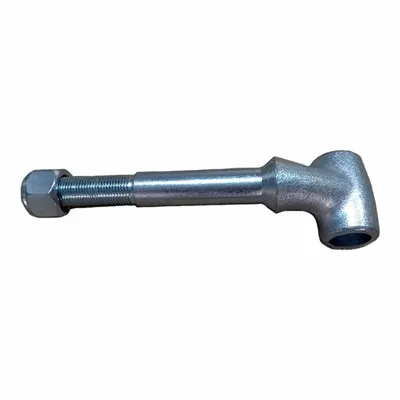
Now, if you’re tired of guessing whether your suspension parts are good or not, or you’re looking for new suspension parts that actually fit right, no hidden damage, and prices that don’t make you cry, hit us up. We specialize in all kinds of suspension parts, for every make and model, and we’re happy to help you figure out exactly what you need, whether you’re going new or weighing your used options. Don’t take chances with parts that keep you safe on the road—reach out and we’ll get you sorted.
Auto Brake Parts References:
- Automotive Suspension Systems: Fundamentals, Service, and Repair, 4th Edition
- National Highway Traffic Safety Administration (NHTSA) Vehicle Safety Guidelines for Suspension Components
- Society of Automotive Engineers (SAE) International, Technical Paper: Durability of Used Suspension Parts in Light-Duty Vehicles
- junkyardparts safety assessment database, 2023
JR Global Workshop Co., Ltd.
We’re well-known as one of the leading auto suspension parts manufacturers and suppliers in China. Please feel free to buy bulk high-grade auto suspension parts for sale here from our factory. All customized products are with high quality and competitive price.
Address: Fuyuan Industrial Zone, Baoan District, Shenzhen City, Guangdong province, China.
E-mail: jrspeed@spdmw.com.cn
WebSite: https://www.jr-speed.com/
