Hey everyone! I’m gonna keep this real—since most of you probably don’t think about acetates unless you’re a chem nerd or work in food manufacturing, I get it. Full disclosure: I’m an acetate supplier, so this topic is my bread and butter, but I swear I’m not here to push anything on you that’s not safe, legal, or actually useful. Let’s cut to the chase: Can acetates be used in food? Spoiler—yes, and way more than you might realize. No, they’re not some weird lab-made chemical designed to ruin your snacks; they’re actually super common, and have been for decades. Let’s break this down without the fancy jargon. Acetates
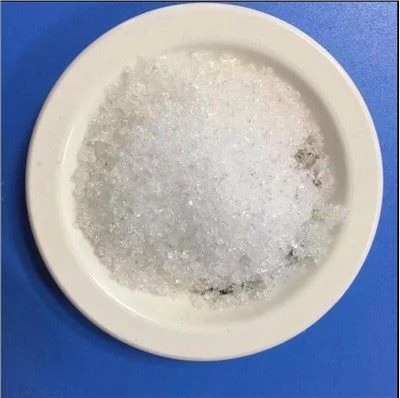
First, let’s make sure we’re on the same page. Acetates are just salts (or esters) of acetic acid—you know, that stuff in vinegar. Sodium acetate, calcium acetate, potassium acetate… that’s the main ones we use for food. Vinegar is basically dilute acetic acid, so acetates are just the “stable, salted version” of that acidity. I know what you’re thinking—“Is that safe to eat?” Let’s start there because that’s the #1 question I get from small bakery owners or craft soda makers when they hit me up.
The FDA (that’s the US food safety agency, for anyone who sleeps through health class) has classified acetates as GRAS—Generally Recognized As Safe. Same with EFSA in Europe, and pretty much every other major food regulator around the world. We’re talking about something your body even makes on its own when it breaks down certain foods. Acetic acid is part of your metabolism, so turning it into a salt to use in food is just a way to make it easier to handle in recipes without the harsh vinegary tang. Cool, right? No weird lab experiments here—just a natural compound tweaked to work better in food.
Now, what do we actually use acetates for in food? Let’s get into the practical stuff, because that’s why my customers (from big snack brands to tiny artisanal pickling companies) call me. First up: preservatives. If you’ve ever had a bag of cheese puffs that didn’t go moldy in a week, or a jar of pickles that stayed crisp for months, acetates probably had a hand in that. How? They lower the pH of food just enough to stop bacteria, mold, and yeast from growing. But here’s the win—unlike some other preservatives, acetates don’t leave that weird chemical aftertaste. A lot of my clients switch to sodium acetate from other preservatives because their customers don’t complain about the “off” taste anymore. It’s like a silent hero—working in the background so your food stays good without ruining the flavor.
Another big use: texture and shelf-life for baked goods. Bakers, listen up. If you’ve ever made bread and it got stale way too fast, acetates can help. Calcium acetate, specifically, slows down the staling process of bread by interacting with the starch in the dough. I had a small batch bread maker reach out to me last year—she was losing half her loaves to staling before they hit the store shelves. We swapped in a tiny amount of calcium acetate, and she cut staling by 60%. No change in taste, no extra cost, just longer-lasting bread. Also, for things like tortillas or pizza crusts, it keeps them soft and pliable instead of hardening up in the packaging. Game changer for anyone shipping baked goods across the country.
Then there’s the snack side—think flavored chips, ranch dip, even some candy. Potassium acetate is used as a pH adjuster and flavor enhancer. If you’ve ever had a sour candy that’s not super harsh, or a chip with a tangy but balanced flavor, that’s often potassium acetate doing its thing. It’s milder than straight citric acid, so it lets other flavors (like cheese or barbecue) shine without overwhelming them. I also work with a craft soda company that uses potassium acetate to balance the sweetness of their organic sodas. They were using citric acid before, but it made their tongue tingle weirdly. Swapping to acetate fixed that, and sales went up because people loved the smoother taste. No more that “soda burn” that makes some people skip their second can.
Wait, what about pickling and condiments? Picklers love acetates because they make the brine crispier. When you add sodium acetate to a pickling brine, it helps the vegetables hold their crunch instead of getting mushy. I have a client who makes artisanal dill pickles—she used to use only vinegar, but the brine would get cloudy after a few weeks and the pickles would go soft. Now she uses a mix of vinegar and a small amount of sodium acetate, and her pickles stay crisp for 6+ months, and the brine stays clear. It’s also used in ketchup and mustard to keep the flavor consistent, especially when shipping in hot weather. High temps can make condiments go sour or separate, but acetates stabilize them. That’s why you don’t have to refrigerate ketchup after opening in some countries—acetates do that work.
Now, let’s address the elephant in the room: is there any downside? I get this a lot. For most people, no—acetates are totally safe. But if you have a kidney condition, you might need to watch your intake of certain acetates, like potassium acetate, because of the potassium content. That’s why food labels always list ingredients, so people with specific dietary needs can make informed choices. But for the general population, eating acetates in normal amounts (like the ones you find in chips, bread, pickles, etc.) is not only safe, it’s way better than some of the other additives that were used before. A lot of my customers tell me they switched to acetates because they wanted cleaner labels—“sodium acetate” sounds way less scary than a long chemical name, and it’s a real, familiar compound.
Let’s also bust a myth here: acetates aren’t just for processed foods. Wait, what? Some craft producers use them too, like I mentioned with the pickles and soda. Also, some animal feed uses acetates, but that’s a whole other thing. For human food, it’s not just big corporations—small businesses use them to make better products without cutting corners. I love working with small batch makers because they’re the ones trying to do things right, and acetates help them compete with bigger brands without sacrificing quality.
As an acetate supplier, my job isn’t just to send out buckets of powder or liquid to my clients. It’s to help them figure out how to use acetates the right way, so they get the benefits without any weird side effects. A lot of new clients come to me and say, “We’ve never used this before—can you walk us through it?” And I do. I give them dosage guides, explain how it works with their specific recipes, even test small batches for them if they need. Because if their product turns out bad, that’s on me, not them. I care about the end product just as much as they do.
Wait, let’s make this personal. A while back, I met a woman who runs a family-owned cookie business. Her sugar cookies were great, but they’d go stale within 3 days of being shipped to her out-of-state customers. She tried adding more preservatives, but customers complained the cookies tasted “chemical.” We tried a tiny amount of sodium acetate, and suddenly her cookies stayed soft and fresh for 10 days, and everyone said they tasted the same—if not better. She ended up sending me a batch of cookies as a thank you. That’s the stuff that makes this job worth it. I’m not just selling a chemical; I’m helping people keep their small businesses alive.
Now, let’s get back to the original question: Can acetates be used in food? Absolutely—they’re a staple in the food industry for good reason. They’re safe, effective, versatile, and help make food better: longer-lasting, better tasting, more consistent. They’re not some newfangled trend; they’ve been used in food for over 50 years. The FDA approved them back in the 1950s, and since then, studies have shown that they don’t cause any harm when used as directed.
If you’re a food manufacturer or a craft producer and you’re looking to improve your product’s shelf life, flavor balance, or texture, acetates are worth checking out. I’ve worked with everyone from tiny 2-person bakeries to large snack companies, and I can help you find the right type of acetate (sodium, potassium, calcium, etc.) for your specific needs, give you the right dosage, and answer all your questions. No sales pitch, no jargon, just real advice from someone who’s been doing this for years.

So if you’re interested in learning more, or if you want to chat about how acetates could work for your product, reach out. I’m here to help. Don’t be shy—even if you’re not sure if acetates are right for you, I’ll be honest with you. I’m not gonna sell you something you don’t need.
Citrates References:
- U.S. Food and Drug Administration. (2024). GRAS Notice Inventory: Acetates.
- European Food Safety Authority. (2021). Scientific Opinion on the safety of acetates for use in food.
- Codex Alimentarius Commission. (2022). General Standard for Food Additives (GSFA): Acetic acid, acetates and diacetates.
- Institute of Medicine. (2005). Dietary Reference Intakes for Electrolytes and Water: Sodium, Potassium, Chloride, and Sulfate.
Jiangsu Kolod Food Ingredients Co., Ltd.
As one of the most professional acetates manufacturers and suppliers in China, we’re featured by quality products and good price. Please rest assured to wholesale bulk acetates made in China here and get free sample from our factory. Customized orders are welcome.
Address: South Side of Weier Road, Guanyun Development Zone, Lianyungang City, Jiangsu Province, China
E-mail: sales1399@jskolod.com
WebSite: https://www.kolod-group.com/
