As a supplier of Electronic Component Flammability Testers, I understand the critical importance of testing efficiency in the electronics industry. Flammability testing is a fundamental process to ensure that electronic components meet safety standards and regulations. In this blog, I will share some insights and strategies on how to improve the testing efficiency of the Electronic Component Flammability Tester. Electronic Component Flammability Tester
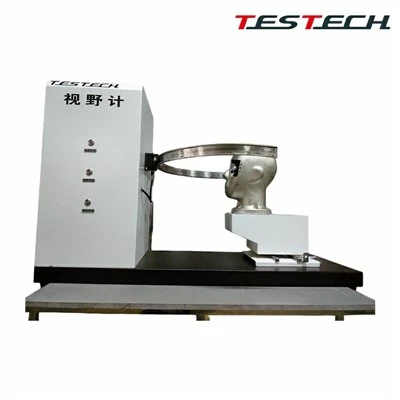
Understanding the Basics of Flammability Testing
Before delving into efficiency – improving strategies, it’s essential to understand the basic concept of flammability testing for electronic components. Flammability tests are designed to evaluate the ability of a component to resist ignition and spread of fire under specific conditions. The Electronic Component Flammability Tester simulates real – world fire scenarios, such as exposure to a small flame or heat source, to determine whether the component meets the required safety levels.
The testing process typically involves preparing the component, setting up the tester according to the relevant standards (e.g., UL 94, IEC 60695), and conducting the test while carefully observing and recording the results. Any inefficiencies in these steps can lead to delays in the testing process and impact overall productivity.
Equipment Calibration and Maintenance
One of the primary factors that can affect the testing efficiency is the proper calibration and maintenance of the Electronic Component Flammability Tester. A poorly calibrated tester can produce inaccurate results, which may require retesting. Regular calibration ensures that the tester operates within the specified accuracy limits.
We recommend following a strict calibration schedule. For instance, calibration should be carried out at least once a year, or more frequently depending on the usage intensity. During calibration, all the critical parameters of the tester, such as the flame height, ignition time, and temperature sensors, should be checked and adjusted as necessary.
In addition to calibration, regular maintenance is also crucial. This includes cleaning the tester to remove any residues or debris that may accumulate over time. Components such as the burner, which is a key part of the tester for generating the test flame, should be inspected for blockages or damage. By keeping the tester in good working condition, we can reduce the chances of breakdowns and unexpected downtime during testing.
Staff Training
Well – trained staff is another important aspect of improving testing efficiency. The person operating the Electronic Component Flammability Tester should have a thorough understanding of the testing procedures, the relevant safety standards, and how to operate the equipment correctly.
We offer comprehensive training programs for our customers. These programs cover theoretical knowledge, such as the principles behind flammability testing and the interpretation of test results. They also provide hands – on training on how to set up the tester, load the components, and conduct the test. Regular refresher courses can be organized to keep the staff updated on the latest testing techniques and any changes in the standards.
When the staff is well – trained, they can perform the tests more quickly and accurately. They are also less likely to make mistakes, which reduces the need for retesting and saves both time and resources.
Standardization of Testing Procedures
Establishing standardized testing procedures is an effective way to improve efficiency. A standardized procedure ensures that every test is conducted in the same way, regardless of the operator or the batch of components being tested.
First, standardize the component preparation process. This includes cleaning the components, measuring their dimensions, and ensuring that they are in a proper state for testing. Clear guidelines should be provided on how to mount the components on the tester to ensure consistent test conditions.
Second, standardize the test execution. Define the exact sequence of actions, such as the ignition time, the duration of the test, and the observations to be made at each stage. By having a set of clear and concise procedures, operators can work more efficiently and reduce the variability in the test results.
Automation and Integration
In today’s technological age, automation can significantly enhance the testing efficiency of the Electronic Component Flammability Tester. Automated testers can perform tasks such as component loading, ignition, and result recording with a high degree of accuracy and speed.
For example, an automated loading system can place the components on the tester in a precise and consistent manner, eliminating the time and potential errors associated with manual loading. Automated result – recording software can instantly analyze the test data, generate reports, and store the results in a database for future reference.
In addition to automation, integration with other systems in the production process can also improve overall efficiency. For instance, integrating the flammability tester with the quality control system can allow for real – time feedback on the component quality. If a component fails the flammability test, the production line can be immediately notified to take corrective action.
Component Selection and Preparation
Proper component selection and preparation can also have a significant impact on testing efficiency. When selecting components for testing, it’s important to choose representative samples. This means selecting components from different production batches, different manufacturing processes, or different materials to ensure that the test results are comprehensive.
For component preparation, as mentioned earlier, cleaning the components is essential. Any dirt, grease, or other contaminants on the component surface can affect the test results. Additionally, proper storage of the components before testing is important. Exposure to high humidity or extreme temperatures may alter the component’s properties and lead to inaccurate test results.
Data Management and Analysis
Effective data management and analysis play a vital role in improving testing efficiency. By keeping a detailed record of all the test results, we can identify trends over time. For example, if a particular type of component consistently fails the flammability test, we can investigate the root cause, such as a problem with the manufacturing process or the material used.
Data analysis can also help in optimizing the testing process. We can analyze factors such as the test time, the frequency of retesting, and the success rate of different test procedures. Based on this analysis, we can make adjustments to the testing process to improve efficiency.
Continuous Improvement
Improving the testing efficiency of the Electronic Component Flammability Tester is an ongoing process. We should continuously monitor the testing process, collect feedback from the operators and customers, and look for opportunities to make improvements.
For example, we can conduct regular audits of the testing process to identify any bottlenecks or areas for improvement. We can also encourage innovation in the testing technology. As new technologies emerge, we can evaluate whether they can be incorporated into our testers to enhance efficiency.
Conclusion
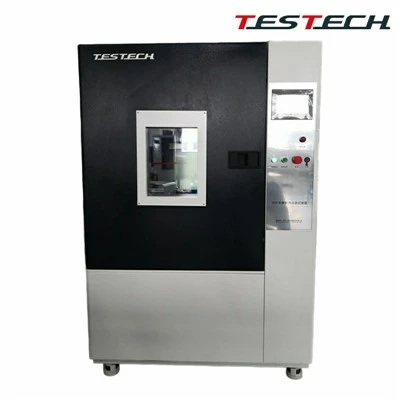
In conclusion, improving the testing efficiency of the Electronic Component Flammability Tester requires a comprehensive approach. It involves proper equipment calibration and maintenance, well – trained staff, standardized testing procedures, automation, proper component selection and preparation, effective data management, and a commitment to continuous improvement.
Universal Fire Tester As a supplier, we are dedicated to providing not only high – quality Electronic Component Flammability Testers but also the support and resources needed to optimize the testing process. If you are looking to improve your testing efficiency and ensure the safety and quality of your electronic components, we would be more than happy to have a discussion with you. Contact us to start the procurement and negotiation process, and let’s work together to achieve your goals in component flammability testing.
References
- ASTM International. Standards related to flammability testing of materials.
- Underwriters Laboratories (UL). UL 94 Standard for Tests for Flammability of Plastic Materials for Parts in Devices and Appliances.
- International Electrotechnical Commission (IEC). IEC 60695 standards for fire hazard testing.
TESTech Instrument (Suzhou) Technologies
TESTech Instrument (Suzhou) Technologies is one of the most reliable electronic component flammability tester manufacturers and suppliers in China. If you’re going to wholesale durable electronic component flammability tester, welcome to get quotation from our factory. For price consultation, contact us.
Address: 8/F, R&D and Production Workshop No. 5, Jiangsu Guoqian Technology Innovation Industrial Park, 168 Lüliangshan Road, Huqiu District, Suzhou, Jiangsu Province, China
E-mail: sales@testech.com.cn
WebSite: https://www.testechfiretest.com/
