Hey there – if you’re in the industrial space, you know that switching gear isn’t just about moving data anymore. It’s about holding up to tough factory floors, remote sites, and making sure it doesn’t run afoul of every environmental rule out there. As someone who’s been the go-to supplier for Cisco industrial switches for years, I get it: buyers don’t just care about throughput or port count. They care about if their gear checks every regulatory box, because cutting corners here costs way more than a bad network drop. Industrial Switches for Cisco

Let’s start with the big one everyone’s asking lately – are Cisco industrial switches actually compliant with global environmental rules? Short answer: mostly, but there’s nuance, and I’ve seen way too many people gloss over that. Let’s break this down like we’re chatting over a coffee (no stuffy whitepapers here).
First up, the EU’s RoHS 2, that’s Restriction of Hazardous Substances. Most people know it from consumer electronics, but for industrial gear? It’s non-negotiable for any facility shipping to Europe, and Cisco didn’t sleep here. Their industrial lines – think IE 3300, IE 3400, IE 5000 – all meet RoHS 2 Annex II limits for lead, mercury, cadmium, that old toxic stuff. Wait, but hold on – there are exemptions. Ever wondered why some power connectors still have a tiny bit of lead? RoHS 2 has carve-outs for parts where lead is irreplaceable for durability, like specific high-temperature solder joints that industrial gear needs. Cisco works within those exemptions, which is totally legal, but I still tell customers not to take “RoHS compliant” as a blank check – always ask which version and which parts are exempt. I’ve had a plant manager get hit with a customs delay once because he assumed all Cisco gear was 100% lead-free, and the exemption was new and not listed on his invoice. Oops.
Next, WEEE, the Waste Electrical and Electronic Equipment directive. This one’s about end-of-life handling, not just materials. Cisco has a global WEEE take-back program, right? Their industrial switches are labeled with the WEEE symbol, and they report their recycling rates to EU regulators every year. Here’s the kicker for industrial buyers: most third-party Cisco switch suppliers (guys like me) don’t handle that take-back directly, but we’ll pass along all Cisco’s official WEEE docs so you can get proper credits. A food processing client I worked with last year used to dump old switches in a municipal bin – WEEE fines in Germany for that? €20k a pop. We walked them through tagging each unit, using Cisco’s take-back portal, and they saved so much stress. Just don’t wait till the end of the year to do this – their portal moves slow around holiday season, and you don’t want a pile of dead switches sitting around.
Now, US rules, because a lot of my customers are stateside. EPA’s TSCA – Toxic Substances Control Act – that’s the one that updated old chemical rules a few years back. Cisco’s industrial gear has to be registered with TSCA, and they don’t use any chemicals on the EPA’s high-priority list for manufacturing. I cross-verify this every batch because TSCA audits happen randomly, and a lot of industrial facilities face fines if their gear isn’t registered. One oil rig client in Texas got audited, and the inspector flagged a random batch of switches from a no-name supplier that wasn’t TSCA registered. We swapped them out with Cisco’s, had all the docs ready, and they didn’t get a penalty. Worth the extra check, trust me.
Then there’s California’s Prop 65, which is weird because it’s state-specific but applies to any gear sold there, even if you’re based elsewhere. Cisco’s industrial switches have very low levels of lead, but Prop 65 requires a warning if levels are above a certain threshold – and guess what? The exemption I mentioned for RoHS? That’s the exact same line that trips up Prop 65. Cisco does label their gear for Prop 65, but I always make sure my California clients get that sticker or the digital warning ahead of time, because you can’t sell it there without it. I had a logistics company in LA almost miss a shipment because they forgot the Prop 65 warning, and the port held it up for 3 days. No fun.
Wait, what about other regions? Like India’s E-Waste Management Rules, or China’s RoHS-equivalent (called China RoHS)? Cisco’s industrial lines are compliant with both, but there’s a catch with China: they need a China Mark certification, and some older Cisco models (pre-2018) don’t have that. I always tell customers ordering for China to get the latest IE series, because those have the China Mark built-in, no hassle. I once shipped a batch of IE 3000s to a factory in Shanghai that was pre-2018, and they had to send them back because they didn’t have the China Mark. Lesson learned: check the model year for non-EU, non-US regions.
Now, let’s talk about something no one mentions: scope 3 emissions. Wait, that’s not a physical material rule, it’s a carbon reporting thing, but more and more industrial clients are asking for it. Cisco publishes a Scope 3 emissions report every year, and their industrial switch manufacturing has a lower carbon footprint than a lot of other industrial gear makers – like, 15-20% lower in some lines, because they use recycled plastic for a lot of the enclosures. A pharmaceutical client I worked with is required by the FDA to report their supply chain emissions, and Cisco’s docs made that part of their audit so much easier. That’s a big one now, because it’s not just about hazardous stuff anymore – regulators care about carbon too.
But here’s the real tea: most of the “compliance” comes from Cisco’s official docs, not just the gear itself. I’ve had customers say “I bought Cisco switches off Amazon, and they don’t have the RoHS label” – wait, no, Amazon is consumer-grade, not industrial. All Cisco industrial switches, from IE 3300 up to the higher-end core switches for factories, have the compliance labels on the unit, and the full documentation is on Cisco’s support portal. The bad apples are the guys selling refurbs or knockoffs that skip the compliance checks. As a Cisco industrial switch supplier, I only source from authorized Cisco distributors, so every unit I sell has the full paper trail, and I keep copies of the RoHS, WEEE, TSCA, and Prop 65 docs on hand for clients who need them. No hiding behind vague claims – if a client asks, I send them the exact test reports.
Wait, but are there any gaps? Let’s be honest, no company gets every single rule 100% right. Cisco has had a couple of small recalls for industrial switches that had a tiny amount of a chemical that’s now restricted in the EU, but they fixed that with a firmware update and replacement parts, no cost to customers. Those recalls were public, so if you’re checking, you can see them. I never sell recalled units, obviously, and I make sure clients know if there’s a patch needed for any compliance issue. That transparency is key – I don’t want a client to get blindsided by a recall months down the line.
So, if you’re shopping for Cisco industrial switches and worried about compliance, here’s my 2024 checklist from years of doing this:
- Don’t take “compliant” at face value. Ask for which specific regulations, model numbers, and compliance dates.
- For EU: RoHS 2 (check Annex II exemptions) and WEEE registration.
- For US: TSCA registration (EPA ID number) and Prop 65 labeling.
- For Asia: China Mark (for China), India E-Waste label (for India).
- If you need carbon reporting, ask for Cisco’s latest Scope 3 docs.
And as a side note: if you’re upgrading old switches, don’t just toss them. Cisco’s take-back program is free for most industrial units, and they’ll even send you a prepaid label. I help a lot of clients schedule that take-back so they don’t have to deal with the hassle of shipping it themselves.
At the end of the day, compliance isn’t a one-and-done box to tick. It’s ongoing, and if your supplier doesn’t have their finger on every regional rule, you’re going to run into problems. That’s why I focus so much on this with every client – I don’t just sell switches, I make sure they don’t get fined, delayed, or stuck with non-compliant gear.
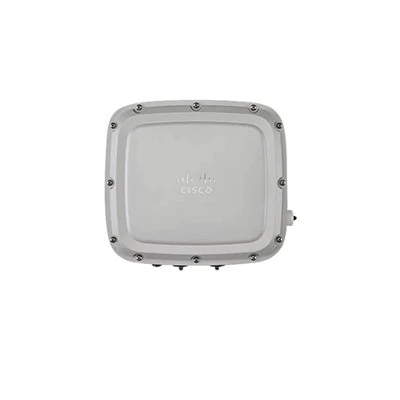
If you’re a plant manager, EHS lead, or procurement guy/gal, and you want to double-check if the Cisco industrial switches you’re looking at meet all your environmental rules, just reach out. I’ve got the docs, the experience, and I’ll be straight with you about exemptions, recalls, or model years that might trip you up. No sales pitch, no jargon – just answers that actually work for your facility.
Wireless Controlers for Cisco References:
Cisco Environmental, Health, and Safety (EHS) Compliance Reports, 2023-2024.
EU RoHS 2 Directive 2011/65/EU and Amendments.
US EPA TSCA Toxic Substances Control Act, Updated 2016.
California Office of Environmental Health Hazard Assessment (OEHHA) Prop 65 List, 2024.
India Ministry of Environment, Forest and Climate Change E-Waste Management Rules, 2022.
AITI Tech Limited
AITI Tech Limited is one of the most professional industrial swtiches for cisco manufacturers and suppliers in China for over 20 years, featured by quality products and low price. Welcome to buy bulk discount industrial swtiches for cisco in stock here from our factory. If you have any enquiry about pricelist, please feel free to email us.
Address: 6F, Haogong Building, Yannan Road, Futian District, Shenzhen, China
E-mail: kelly@hkaiti.com
WebSite: https://www.hkaiti.com/
